
Last updated November 22, 2026
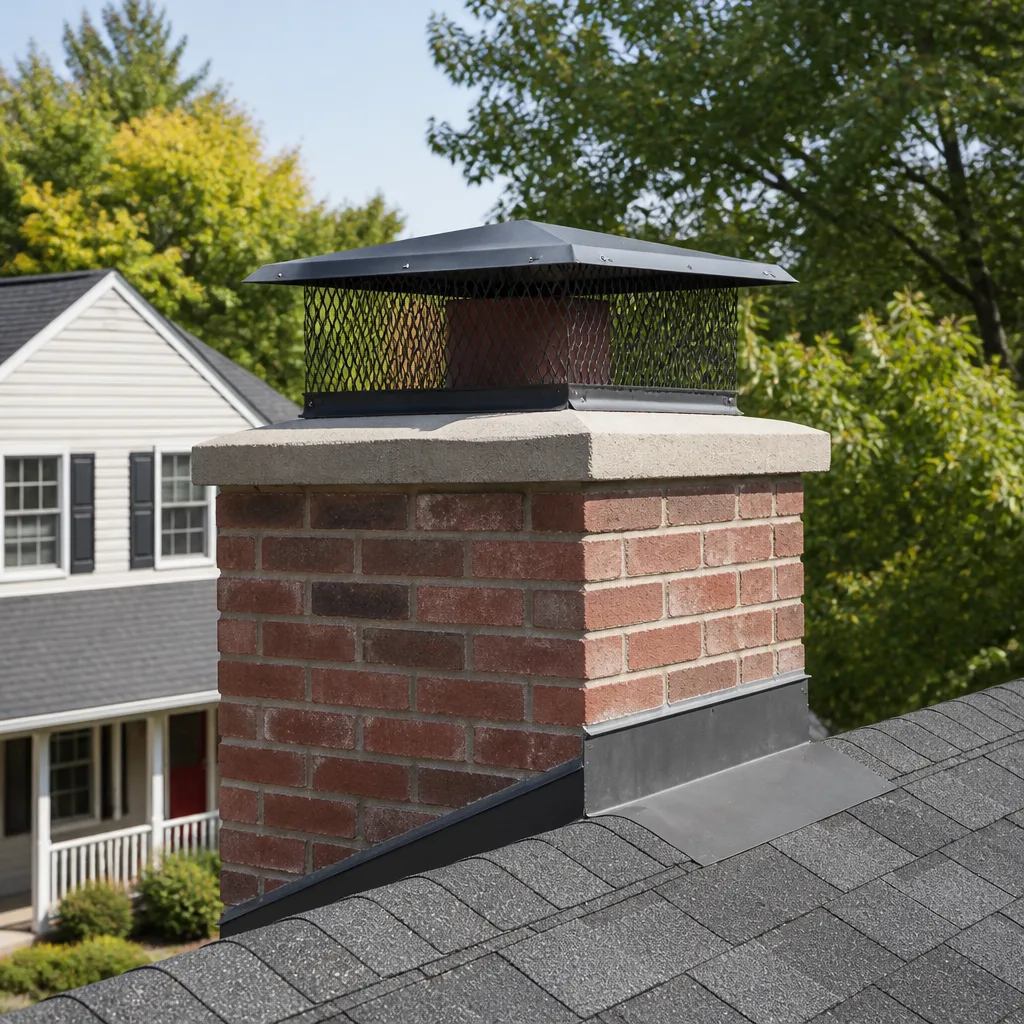 Sweep & inspection
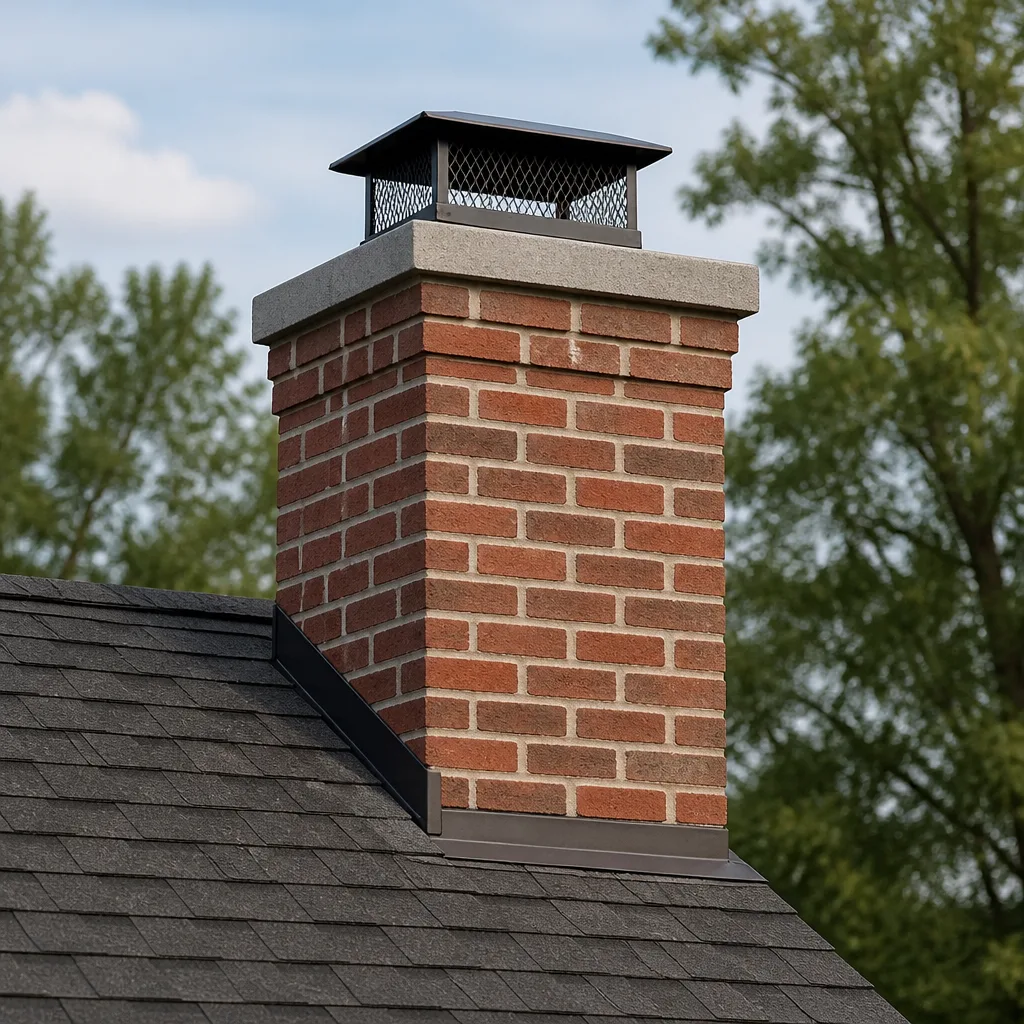 Caps & crowns
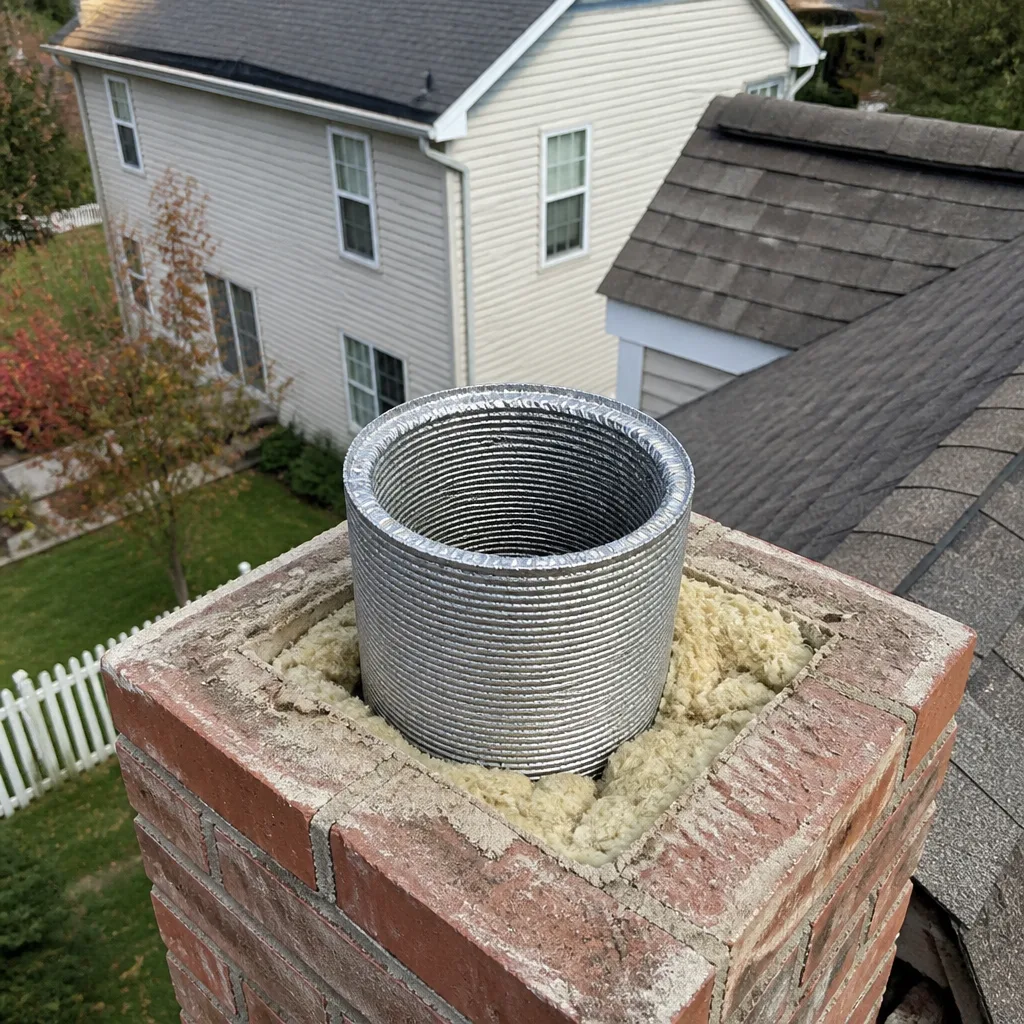 Flue relining
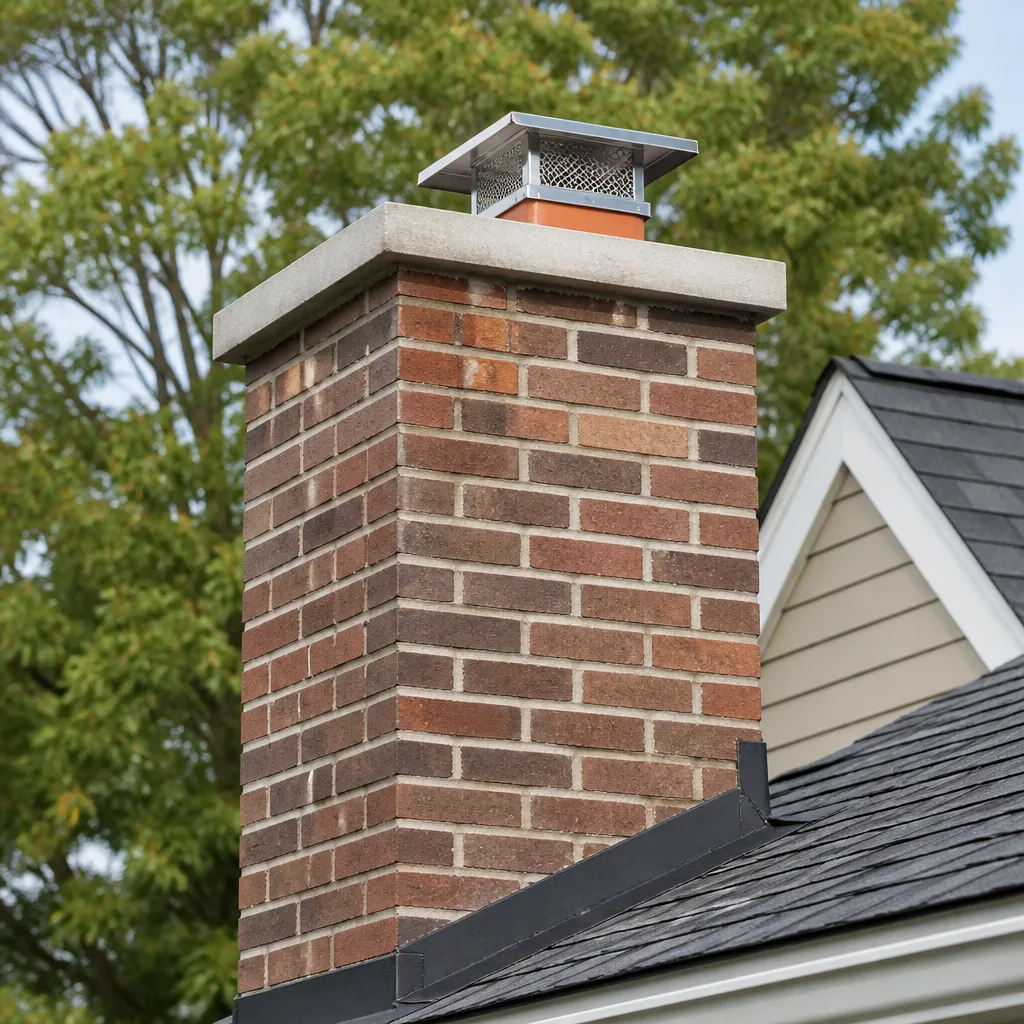 Masonry repair
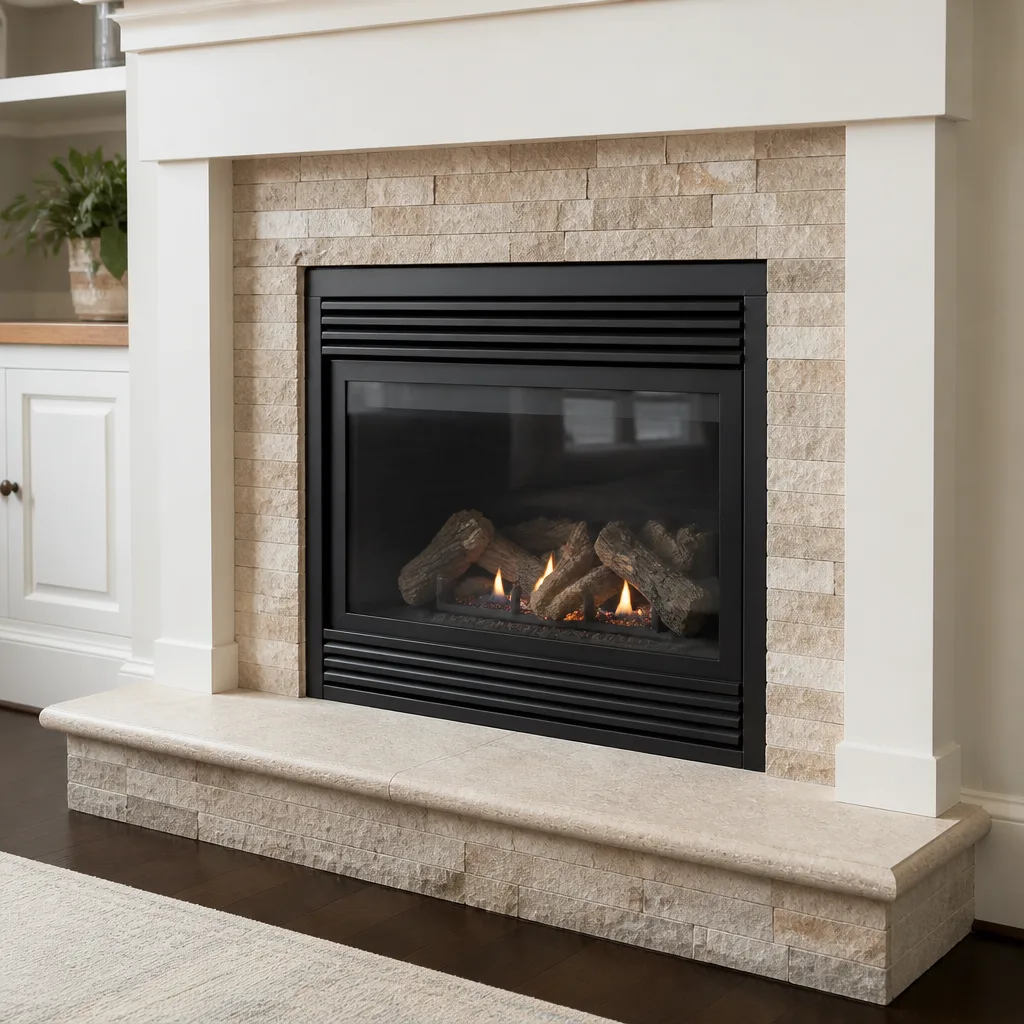 Gas fireplace service
Level 1 sweep and inspection to the NFPA 211 annual standard - flue, crown, cap, and flashing checked and photographed
Chimney sweep logs do not sweep chimneys. They loosen some creosote - which then falls where a brush and vacuum still have to collect it.
Chimney Sweep Troubleshooting in Jackson Heights: Common Problems and How to Fix Them
If your fireplace smokes back into the room every time a neighbor runs their HVAC, the problem isn’t your damper. It’s stack pressure: Jackson Heights is dense with attached row houses, semi-detached homes, and co-op buildings that seal tightly and share walls, and that shared envelope changes how a flue breathes in ways a detached-home guide will never explain. The same symptom can come from three other failures, and chasing the wrong one wastes money on a fix that won’t hold. In this guide we walk through the diagnostic logic we use on Jackson Heights chimneys: how to tell a pressure problem from a blocked flue, how creosote stages change the cleaning method, how to separate a cracked liner from a smoke chamber defect, and which cap and crown failures sit upstream of the water stains you’re seeing. You’ll learn what each symptom actually points to, and when it’s a job for a sweep rather than a mason.
Quick Answer
Most chimney problems in Jackson Heights come down to four root causes: negative pressure from a tightly sealed attached home, a blocked or undersized flue, glazed stage 2 creosote that a standard brush can’t remove, and water intrusion from a failed cap or crown. Match the symptom to the cause before you spend anything. Smoky, sluggish draft with no odor usually points to pressure; a harsh creosote smell, visible flaking, or a restricted flue points to blockage or buildup; brown staining and efflorescence on the firebox brick point to water coming in from above. Each one has a different repair path, and only a camera inspection confirms which you’re dealing with.
Styles & brands we work with
- Sweep & inspection
- Caps & crowns
- Flue relining
- Masonry repair
- Gas fireplace service
Table of Contents
- Why Does My Fireplace Smoke Back Into the Room?
- Shared-Wall Chimney Problems in Jackson Heights Row Houses
- What Creosote Stage Are You Dealing With?
- Is It a Cracked Terra Cotta Liner or a Damaged Smoke Chamber?
- Cap and Crown Failure: The Upstream Cause of Water Damage
- What a Camera Inspection Tells You That a Visual Check Can’t
- Choosing the Right Repair Path
- Which Problems Can Wait and Which Can’t
Why Does My Fireplace Smoke Back Into the Room?
Smoke backing into the room has four common causes, and the fastest way to narrow them is to notice when it happens. Smoke that appears only when another appliance runs (a bath fan, a kitchen exhaust, a neighbor’s HVAC) points to negative house pressure. Smoke that happens every single fire, regardless of what else is running, points to a blocked flue, an oversized firebox opening, or a chimney that’s too short for the house.
Here’s the diagnostic order we use:
- Test the pressure theory first. Crack a window on the same floor as the fireplace and light a small fire. If the smoke stops backing up, you’re fighting negative pressure, not a blockage.
- Check for a blockage. A flue clogged with a bird nest, leaves, or heavy creosote will smoke constantly, not just when the HVAC is on. This is a common finding in Jackson Heights chimneys that have gone a few seasons without a sweep.
- Look at the firebox opening. A firebox that’s been opened up wider than the flue can support pulls more air than the chimney can exhaust.
- Confirm chimney height and termination. A chimney that terminates too close to a taller neighboring roofline, common in the dense blocks around Jackson Heights, can sit in a pressure shadow.
Negative pressure in attached housing isn’t a chimney defect at all. It’s a building-envelope condition. A tight house with strong exhaust fans needs make-up air, and once you rule out blockage and firebox sizing, the fix is often a small air supply rather than chimney work. That distinction matters because a homeowner who assumes “damper problem” can spend money on hardware that never solves it.
Shared-Wall Chimney Problems in Jackson Heights Row Houses
Attached housing creates chimney problems that detached-home guides don’t address. In a Jackson Heights row house or semi-detached home, the chimney is often built into a shared masonry mass. That shared mass moves with temperature, wicks moisture between units, and transmits creosote and smoke odors through hairline cracks in the party wall. If your neighbor’s fireplace smells like a campfire in your living room, the flue is not necessarily breached in your unit. It may be leaking through a shared-wall joint.
What this means in practice:
- Odors travel. Creosote odor from a neighboring flue can migrate through shared masonry. A top-sealed cap and a proper flue seal on your side stop most of it.
- Crown and flashing failures affect more than one unit. Water that enters at a shared crown can show up as staining in a unit that never had a fire lit.
- Masonry repairs need to respect the shared structure. Repointing one side of a shared chimney without addressing the joint between units leaves the leak path open.
Before any repair, we confirm which flue serves which fireplace. In older Jackson Heights buildings, flues are sometimes cross-connected or repurposed from coal to wood, and a fireplace on one floor may not vent through the flue the layout suggests. A camera inspection settles that question. From the firebox to the crown, the whole system has to be mapped before anyone touches a joint.
What Creosote Stage Are You Dealing With?
Creosote isn’t one thing. It forms in three stages, and the stage on your flue walls dictates the cleaning method. A brush pass that’s correct for stage 1 will glaze over stage 2 creosote and leave it in place. That’s the single most common reason a chimney “looks clean” after a sweep and still has a fire risk inside it.
The three stages, and why the method changes
- Stage 1: soot and light flaky deposit. A standard poly brush and vacuum handle this. It’s the normal byproduct of regular burning and regular sweeping.
- Stage 2: glazed, hardened creosote. This is a shiny, tar-like coating bonded to the flue wall. A standard brush pass skates across it. Stage 2 requires rotary cleaning tools: a spinning head that cuts the glaze back to bare flue. This is the stage most likely to be missed by a quick sweep, and it’s the stage that matters most for chimney fire risk.
- Stage 3: puffy, hardened, sometimes flaking deposit. Heavy and dense. Rotary cleaning still applies, but the volume of debris means the flue needs to be checked again for liner damage underneath.
In Jackson Heights, stage 2 creosote is common in buildings where a wood-burning fireplace sees steady use through the cold months and the flue has gone more than a season without a sweep. The sign to watch for is a hard, reflective coating on the flue wall that you can see with a camera, not a soft soot layer. If you’ve had a sweep that used only a brush and the creosote still looks shiny, the job wasn’t finished. Our technicians have up to 10 years of experience matching the cleaning method to the deposit, and that experience is what tells stage 1 from stage 2 in a single look.
Heavy creosote is the fuel load for a chimney fire. That’s the reason a sweep isn’t a cosmetic appointment.
Is It a Cracked Terra Cotta Liner or a Damaged Smoke Chamber?
These two failures look similar from the firebox and have completely different repair paths. A cracked terra cotta liner is a flue-wall problem. A damaged smoke chamber is the funnel-shaped transition between the firebox and the flue, and it’s a separate repair. Getting them confused means paying for the wrong fix.
How to tell them apart
- Cracked terra cotta liner: you’ll see vertical or diagonal cracks in the clay tile joints, or displaced tiles, when the camera runs up the flue. Symptoms point outward: smoke at startup, draft that’s fine one day and sluggish the next, and in the worst case a pathway for heat or gases against the masonry.
- Damaged smoke chamber: the symptoms show up where the fire meets the flue. Smoke that rolls out of the top of the firebox before it draws, and a smoke shelf caked with creosote or crumbled mortar, point here instead.
The repair paths diverge sharply. A cracked liner calls for a reline. We install DuraFlex flexible liner systems for exactly this: an industry-standard product for relining aging or damaged flues. A damaged smoke chamber, by contrast, is often addressed with HeatShield, a ceramic repair system that resurfaces the smoke chamber and flue rather than replacing the liner outright. HeatShield extends chimney life without a full reliner replacement, and it’s a fix many generalists don’t offer because they don’t carry the system. That’s a real cost difference, not a cosmetic one.
Neither repair is a “spray it and forget it” job. Both start with a camera inspection so you can see the cracks yourself before you approve the work.
Cap and Crown Failure: The Upstream Cause of Water Damage
Most water that reaches a firebox comes in from above, and the cap and crown are where it starts. The cap is the cover at the top of the flue, and the crown is the sloped concrete or masonry surface that sheds water away from the chimney. When either fails, water has a direct path down the flue and into the surrounding masonry. That’s the upstream cause behind three symptoms homeowners tend to treat as separate problems:
- Brown water stains on the firebox brick or damper. Classic sign of water entering at the top of the flue.
- Efflorescence: the chalky white staining on masonry that appears when water migrates through brick and leaves mineral deposits behind as it evaporates.
- Spalling: brick faces flaking or popping off, which happens when masonry takes on water, freezes, and expands. Jackson Heights winters deliver enough freeze-thaw cycles to make this a recurring issue.
The cap also blocks birds and debris, which matters in a dense neighborhood with active rooflines. A cap that’s cracked, unseated, or missing does double damage: it lets water in and lets animals or nesting material in, and nesting material is one of the most common causes of a blocked flue. Our chimney cap & crown work is one of the highest-leverage services we offer, because it catches the water path before it turns a repair into a rebuild. If you’re seeing efflorescence or spalling on Jackson Heights brick and wondering where the moisture comes from, look up, not down.
What a Camera Inspection Tells You That a Visual Check Can’t
A flashlight at the firebox shows you the bottom foot of the flue. A camera inspection shows you the other twenty. That difference is where the real diagnosis happens, and it’s the reason we treat inspection as its own service rather than a visual once-over.
Here’s what a camera inspection reveals that a visual check can’t:
- Creosote stage along the full flue length. The glaze is often worst at the upper flue, where flue gas cools and condenses. That’s out of sight from the firebox.
- Liner cracks and displaced tiles. Hairline cracks hide between tile joints.
- Smoke chamber condition. The camera shows the transition zone clearly enough to separate a smoke chamber defect from a liner problem.
- Blockages. Nests, leaves, and fallen masonry are common in Jackson Heights flues near mature street trees.
- Joint and masonry condition from the inside out. It tells you whether a repair is needed now or whether the masonry can safely wait a season.
We offer inspection as a standalone service, consistent with NFPA 211 inspection-level standards, so you can get the diagnosis without committing to repair. You see the camera footage before anything is recommended. That’s the answer to the real hesitation: nobody should be told they need a liner or a masonry rebuild without evidence they can watch with their own eyes.
Choosing the Right Repair Path
Once the diagnosis is in hand, the repair path is a matter of matching the failure to the right method and material. This is where a specialist differs from a generalist: we work with the professional-grade brands that fit each job, rather than improvising a fix from whatever is on hand.
Here’s a rough map:
- Stage 1 or stage 2 creosote: rotary cleaning back to bare flue, then a re-check.
- Cracked terra cotta liner: reline with DuraFlex flexible liner.
- Smoke chamber damage without a breached liner: HeatShield ceramic repair.
- Failed cap or crown: cap and crown replacement, plus flashing check.
- Spoiled masonry at the crown, or spalling brick: masonry repair before water gets further in.
The venting and accessory side matters too. Familiarity with Famco and Gelco components, and with Copperfield and Olympia Chimney supply for the larger work, means a repair isn’t held up waiting for a part that doesn’t fit the flue. It also means the cap we install is sized to the flue, not a generic piece bolted over the top. For more on the repair side, see our chimney repair page. All of this is confirmed with a written estimate before work starts.
Which Problems Can Wait and Which Can’t
Not every finding is urgent, and being honest about that is part of the job. A chimney with stage 1 creosote and a sound cap can safely be scheduled for a routine sweep. A flue with stage 2 glazed creosote, or a crown that’s actively letting water in, should be addressed before the next burning season. The questions to sort them:
- Can wait: light soot and stage 1 creosote on a flue that’s otherwise sound; cosmetic staining with no active water path.
- Should be addressed soon: a cap that’s cracked or unseated; a crown with a hairline crack you can see but which isn’t yet pulling water in.
- Shouldn’t wait: stage 2 glazed creosote, a visible liner crack, an active water path into the firebox, and spalling brick on the crown.
If a cap or crown failure is the upstream cause of water, efflorescence, or spalling, catching it before it costs you means repairing the top of the chimney now rather than rebuilding it later. We tell you plainly when a repair can wait. Nothing is recommended without camera evidence, and nothing is pushed. Call (866) 937-7175. We answer 24/7. Fast dispatch from 7am to 7pm, Sunday through Friday.
Common Mistakes to Avoid
- Assuming the damper is the problem. In Jackson Heights attached housing, the smoky-fireplace symptom is often negative pressure, and replacing damper hardware won’t fix it. Test with a cracked window before spending on parts.
- Accepting a brush-only sweep on stage 2 creosote. Glazed deposits need rotary tools. A brush pass that leaves the glaze is a cleaning that looks done but isn’t.
- Treating a smoke chamber defect as a liner problem. The repair paths are different, and a reline won’t fix a collapsed smoke shelf. Get the camera on it first.
- Ignoring efflorescence and spalling. Those are water signs, and the source is usually the cap or crown, not the firebox. Repointing the firebox without fixing the top leaves the leak open.
- Choosing a generalist for a specialist job. Most general contractors don’t work with HeatShield or install flexible liner systems. Materials knowledge is the difference between a repair that lasts and a repeat problem.
- Skipping a standalone inspection. An NFPA 211-consistent inspection gives you a diagnosis you can act on or file away. A visual glance from the firebox doesn’t.
- Sweeping on a schedule that ignores a shared flue. In a row house, a neighbor’s flue condition affects yours. If you’re getting odors from next door, check the party-wall side too.
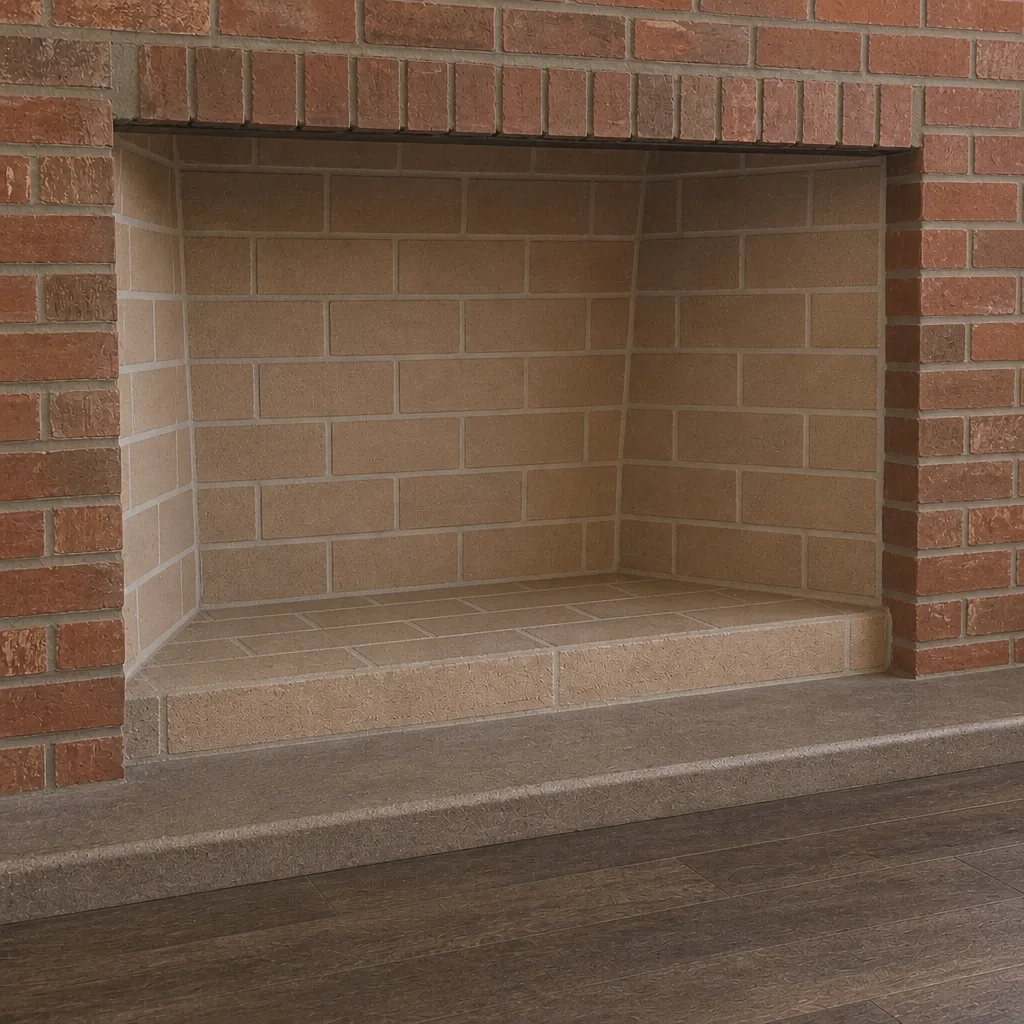
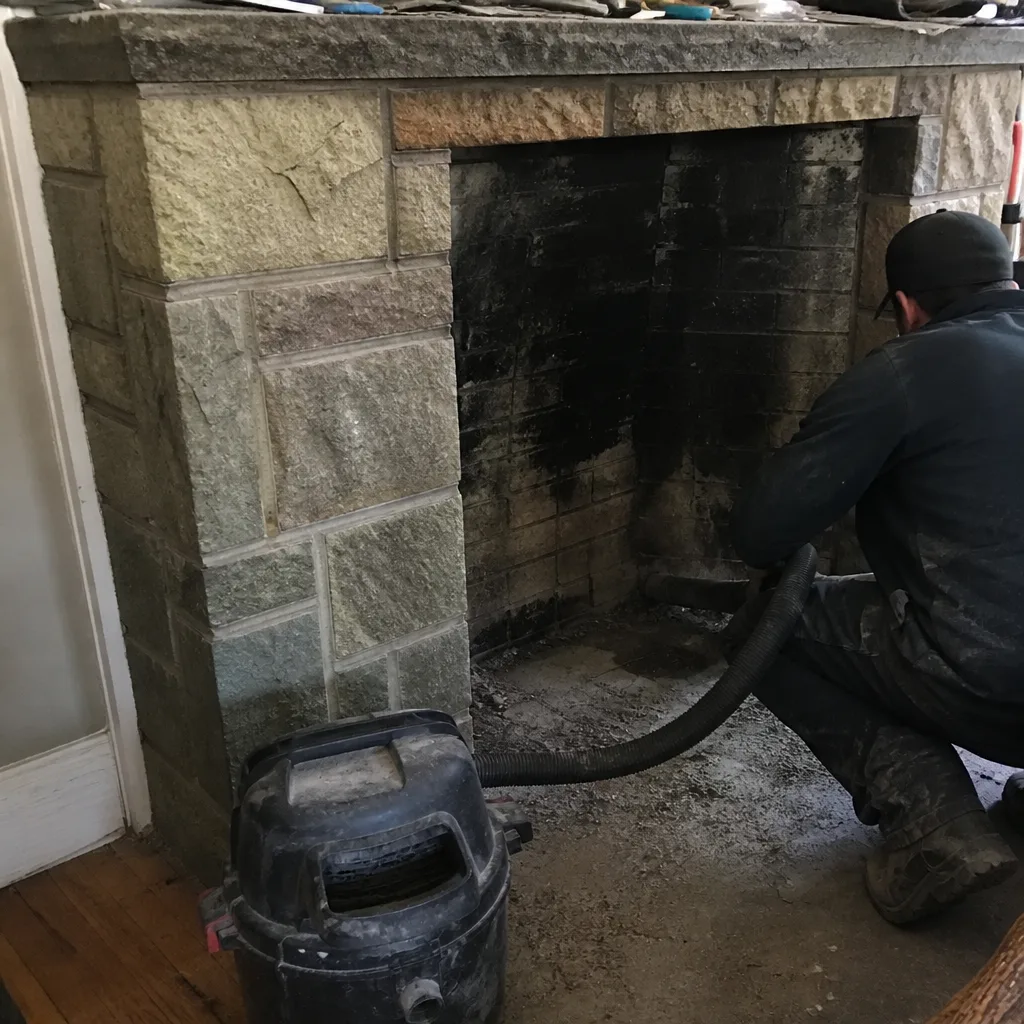
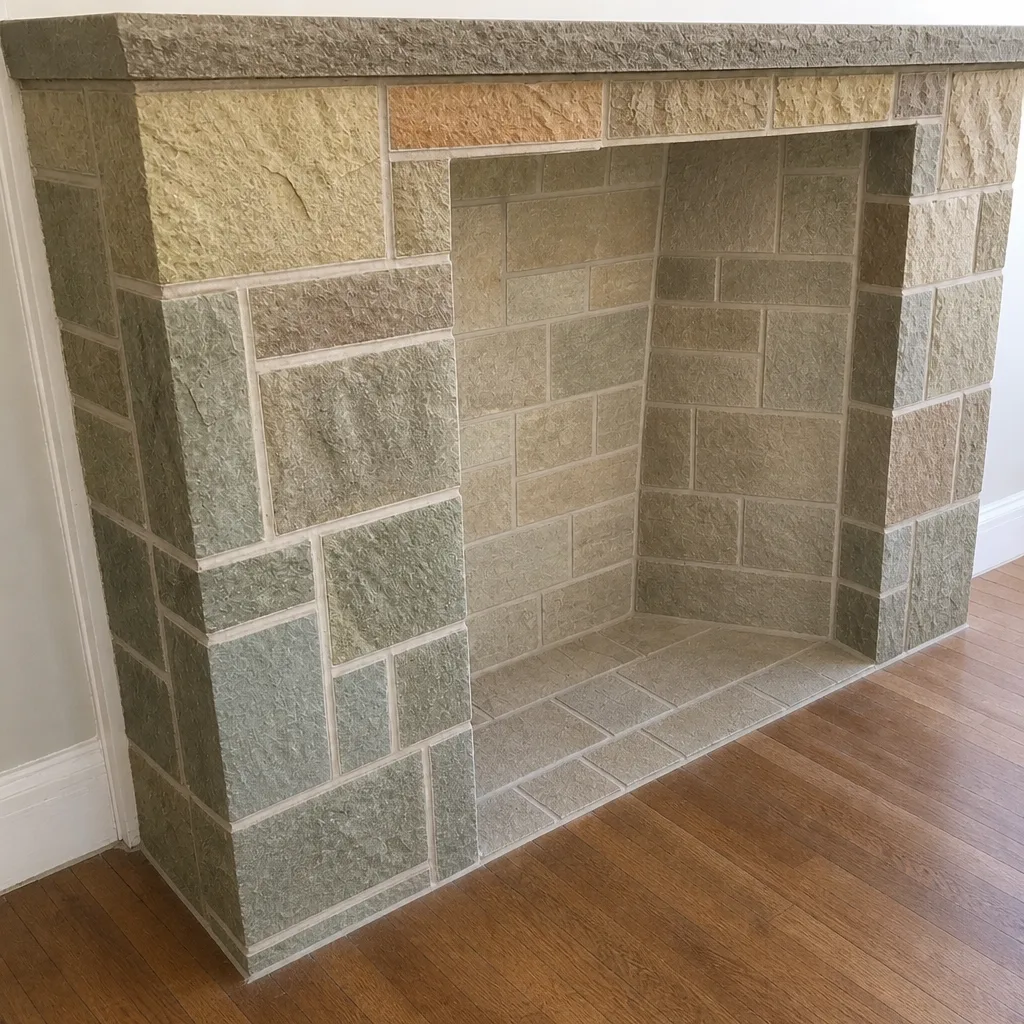
See the difference
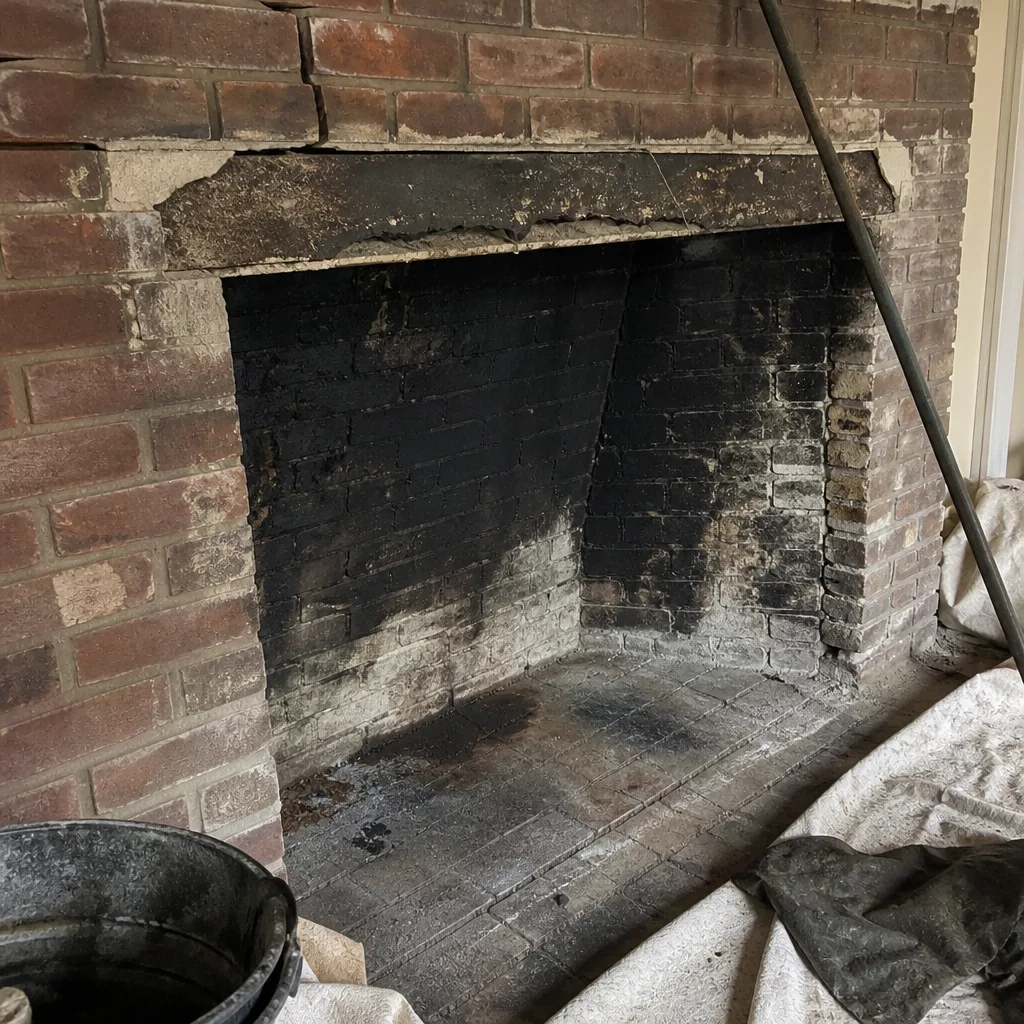 Before
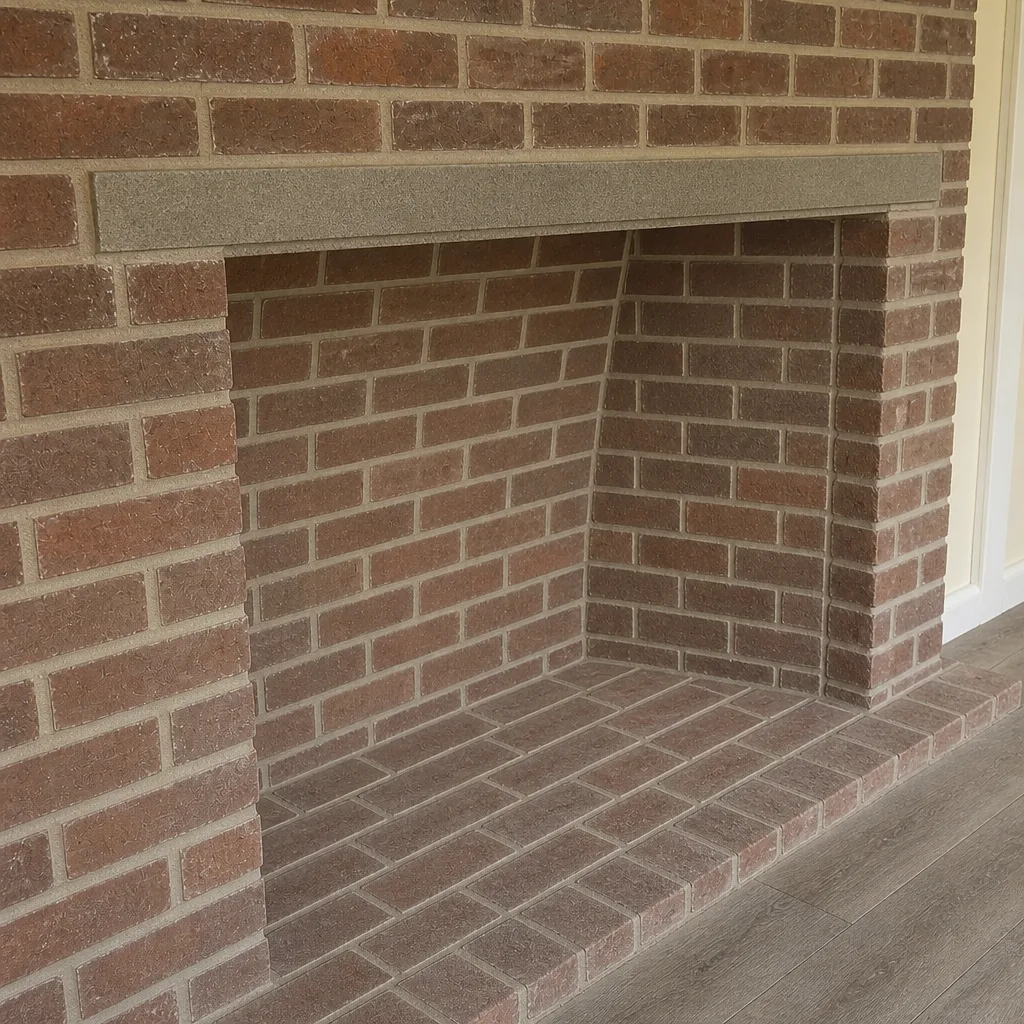 After
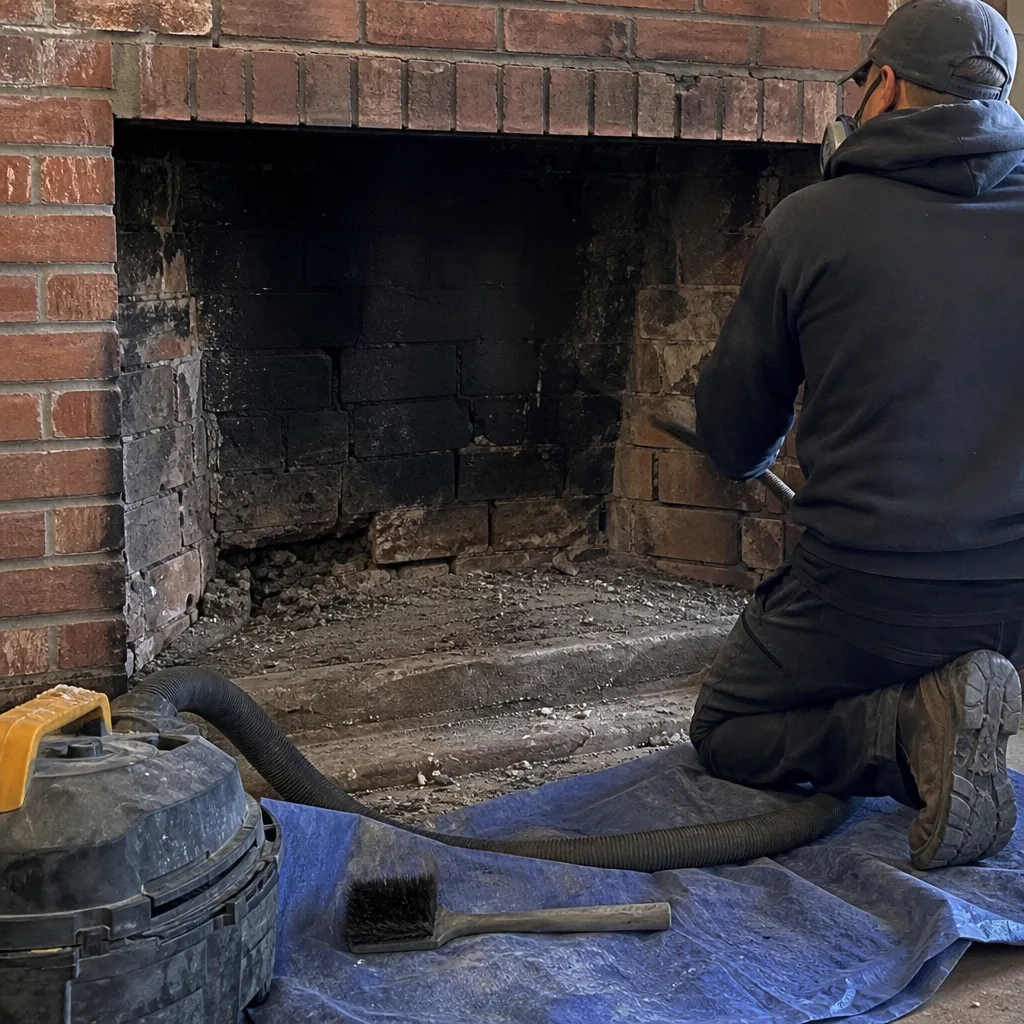 Before
 After
 Before
 After
When to Call a Professional
Call a professional when the symptom has a safety dimension: smoke that backs up on every fire, a strong creosote odor in the off months, glazed stage 2 creosote, a visible liner crack, or water getting into the firebox. These are the findings where a trained eye and the right tools matter, and where a DIY approach isn’t worth the risk. High creosote loads, cracked liners, and water-damaged crowns are all cases where the trained professional should be on the roof, not the homeowner. For any of these, Chimney Sweep Jackson Heights offers free estimates in Jackson Heights. Call (866) 937-7175. We answer 24/7. Fast dispatch from 7am to 7pm, Sunday through Friday. From the firebox to the crown, one call covers the whole system.
Frequently Asked Questions
The most common are stage 2 glazed creosote, a failed cap or crown letting water in, and smoke backup from negative pressure in tightly sealed attached homes. Shared-wall chimneys in row houses add odor migration between units to the list. A camera inspection confirms which one you’re facing. Call (866) 937-7175 for an exact quote. Estimates are free.
If the damper opens and the smoke still backs up, the likely cause is negative house pressure, a blocked flue, or an oversized firebox opening, not the damper. Crack a window near the fireplace and light a small fire. If the smoke stops, pressure is the culprit. Call (866) 937-7175 for an exact quote. Estimates are free.
Yes, if the flue has stage 2 glazed creosote. A standard brush skates over glazed deposits and leaves them in place. Rotary cleaning tools cut the glaze back to bare flue. Only a camera check confirms which you have. Call (866) 937-7175 for an exact quote. Estimates are free.
A chimney should be swept once a year when it’s in regular use, and more often if you burn heavily or notice glazed creosote. If the flue has gone a few seasons without a sweep, a camera inspection comes first. Call (866) 937-7175 for an exact quote. Estimates are free.
Creosote builds up and becomes the fuel load for a chimney fire. Stage 2 and stage 3 deposits raise the risk, and a cracked liner lets heat and gases against the masonry. The fix is a sweep or a repair, not a rebuild, if you catch it early. Call (866) 937-7175 for an exact quote. Estimates are free.
Brown stains on the firebox brick, chalky white efflorescence on the masonry, and spalling brick faces all point to water coming in from the top. The cap and crown are where it usually starts. A camera inspection confirms it. Call (866) 937-7175 for an exact quote. Estimates are free.
The Bottom Line
The symptoms that bring people to a chimney guide are almost never the actual cause. Smoky fires in Jackson Heights often come down to negative pressure or a blocked flue, not a damper. Damp brick often traces to a failed cap or crown, not the firebox. And a “clean” chimney can still hold glazed stage 2 creosote that only rotary tools remove. Match the symptom to the root cause with a camera inspection, confirm whether the repair path is a reline, a HeatShield restoration, or a cap and crown replacement, and fix the top of the chimney before water turns a repair into a rebuild. We work on the whole system, so one call covers it. A dedicated chimney specialist, not a generalist add-on, is what keeps the diagnosis honest. See Chimney Sweep Jackson Heights for the full service list, and read more on our chimney sweep service to schedule a routine cleaning. To get started, call (866) 937-7175. We answer 24/7. Fast dispatch from 7am to 7pm, Sunday through Friday. Estimates are free, and the written estimate sets the final price.
Written by the team at Chimney Sweep Jackson Heights.