
Last updated November 22, 2026
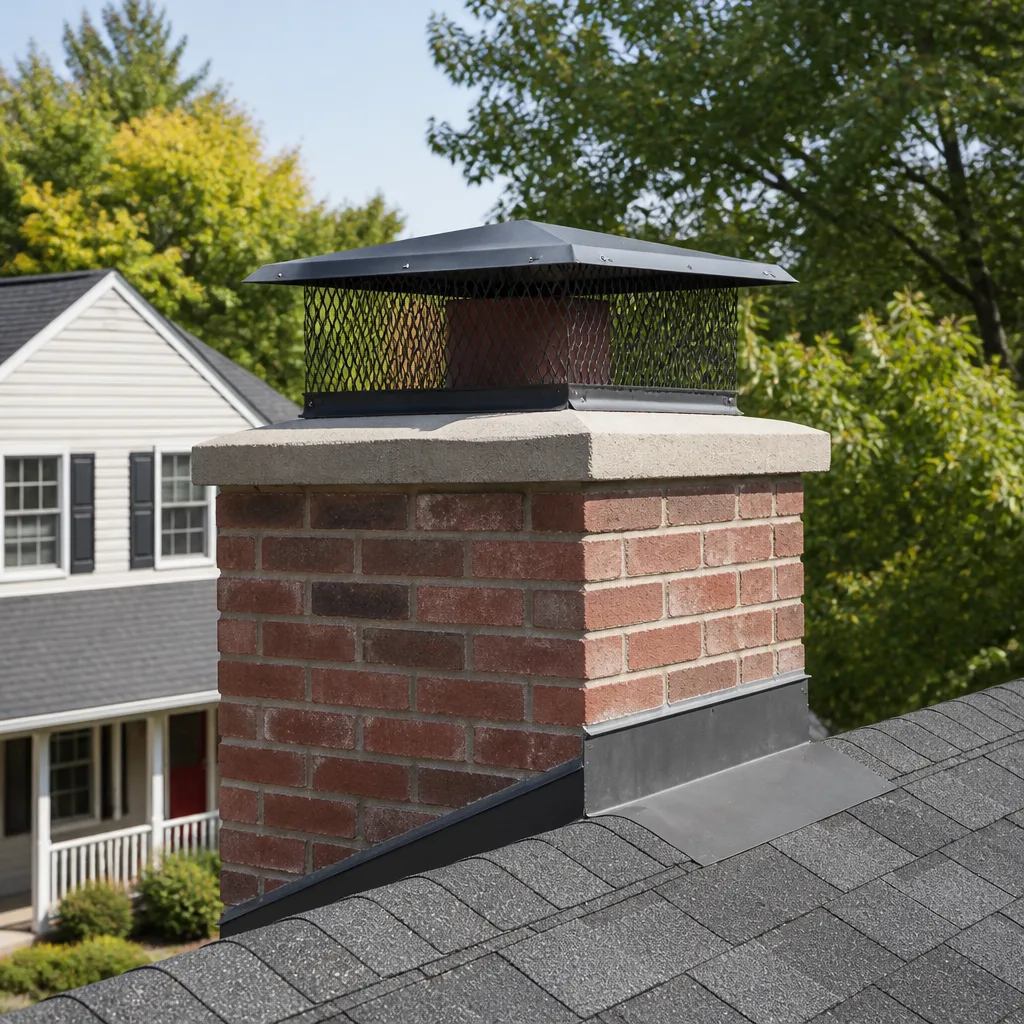 Sweep & inspection
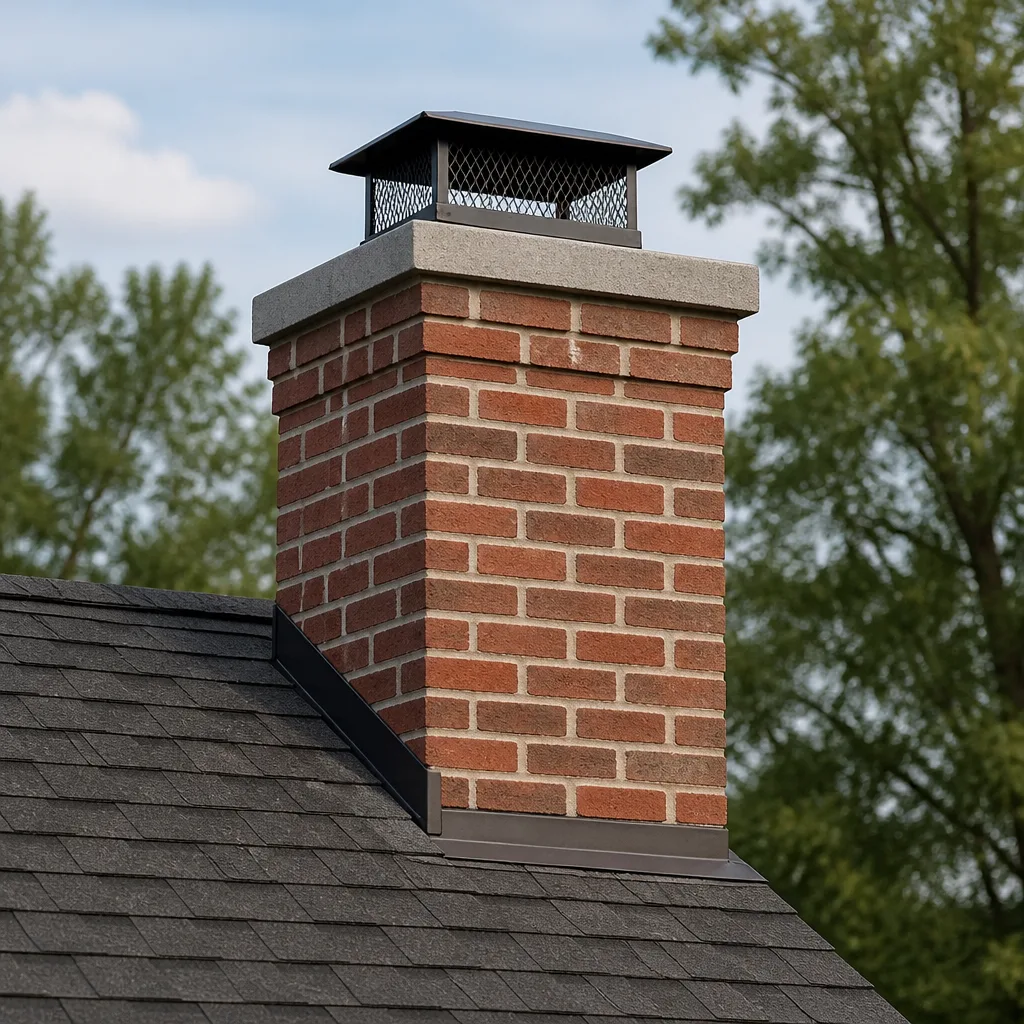 Caps & crowns
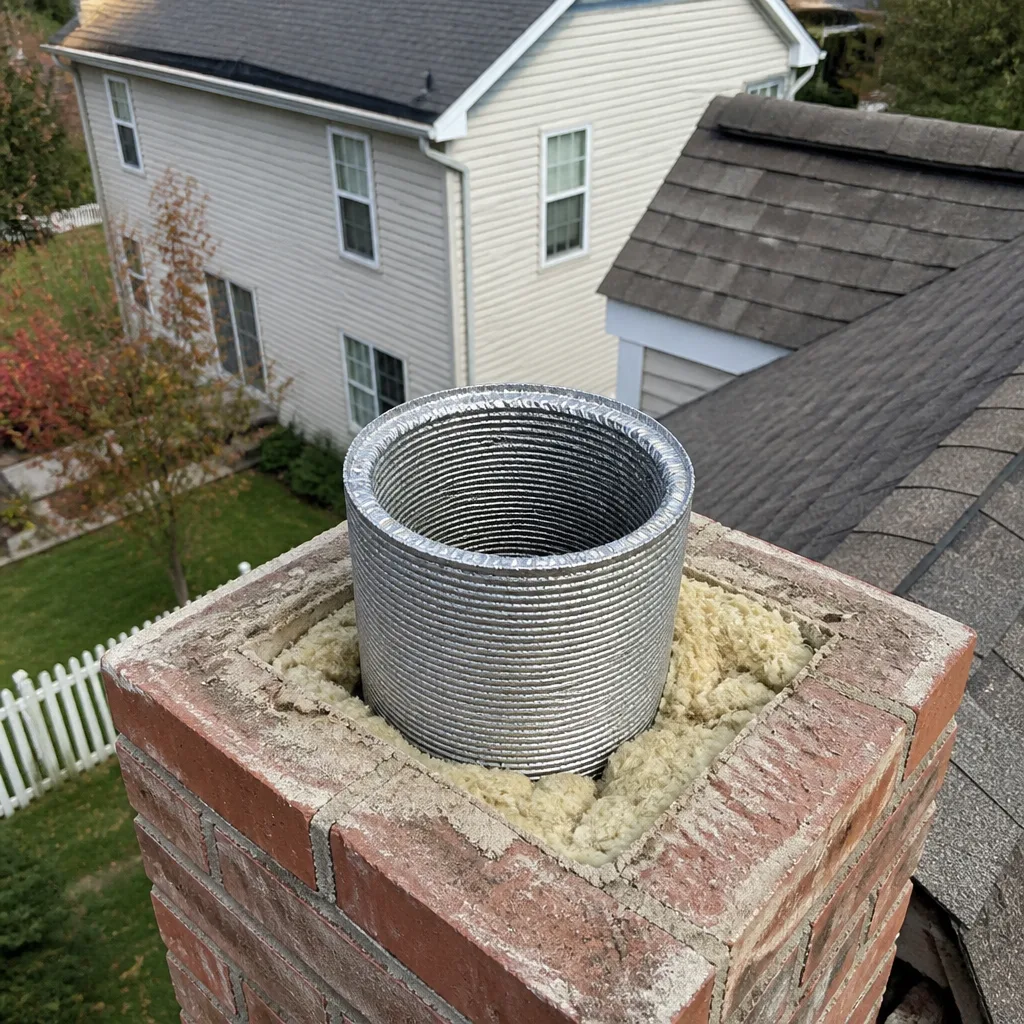 Flue relining
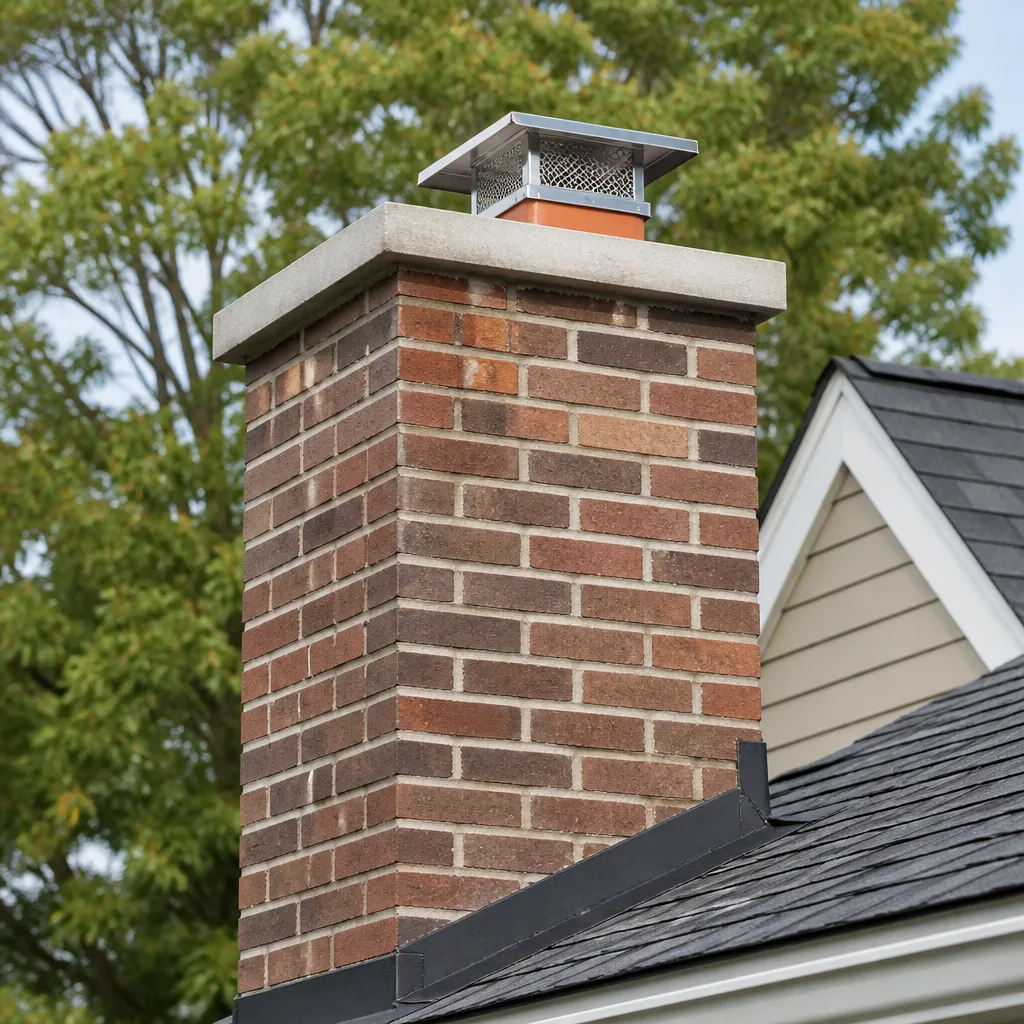 Masonry repair
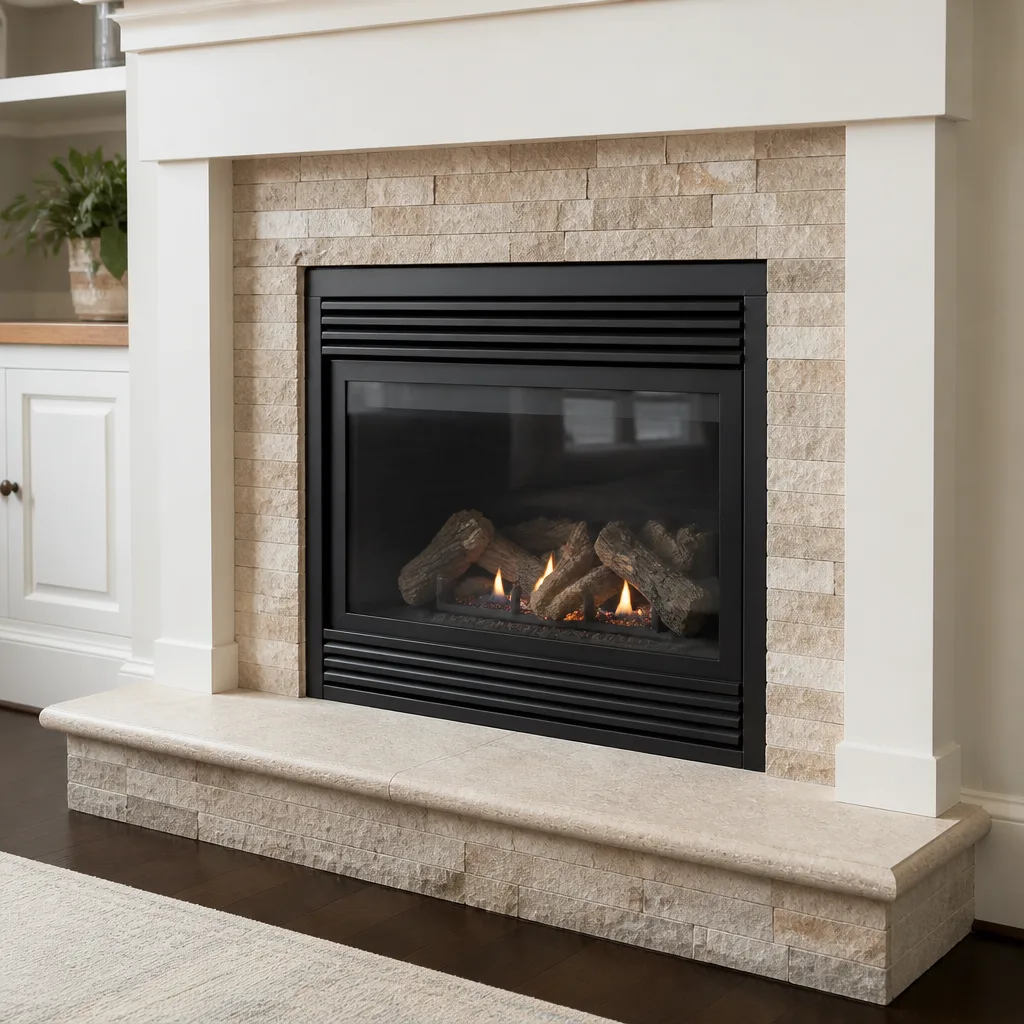 Gas fireplace service
Level 1 sweep and inspection to the NFPA 211 annual standard - flue, crown, cap, and flashing checked and photographed
Chimney sweep logs do not sweep chimneys. They loosen some creosote - which then falls where a brush and vacuum still have to collect it.
The Complete Guide to Chimney Cleaning in Jackson Heights
Most chimney fires in urban rowhouses don’t start in the firebox. They start in a shared flue that two tenants assumed someone else was maintaining. That assumption is the quiet engine behind a lot of the chimney damage we see across Jackson Heights, where converted multi-families, pre-war terra cotta liners, and decades of deferred maintenance stack up behind a single brick face. Cleaning isn’t the same job from one building to the next here, and a one-size sweep misses most of what matters. This guide walks through what actually happens during a proper cleaning in Jackson Heights: the liner types you’ll find in the neighborhood, the creosote stages and the tools each one needs, how shared flues get documented, and why a gas fireplace in this part of Queens isn’t as clean as it looks.
Quick Answer
Chimney cleaning in Jackson Heights means a full-system service, not just a brush down the flue. A proper visit includes a camera scan of the liner, a sweep matched to the creosote stage present, HEPA vacuuming to contain soot, and a written condition report you can keep. In Jackson Heights, the job also means checking shared flues in converted multi-families unit by unit, since terra cotta tile liners common in pre-war rowhouses deteriorate differently than newer stainless systems and often need closer inspection intervals.
Styles & brands we work with
- Sweep & inspection
- Caps & crowns
- Flue relining
- Masonry repair
- Gas fireplace service
Table of Contents
- Why Jackson Heights chimneys are different
- Terra cotta liners vs. stainless systems
- Creosote stages and the tools that match them
- Shared flues in converted multi-families
- Gas fireplace chimneys aren’t as clean as you think
- What a complete cleaning visit includes
- How often should you clean a chimney in Jackson Heights?
- Common mistakes to avoid
Why Jackson Heights Chimneys Are Different
Jackson Heights is not a neighborhood of new construction with fresh stainless flues behind every firebox. The rowhouses along 74th Street and the co-op buildings clustered around Diversity Avenue were built in an era when terra cotta tile was the standard liner material, and many of those original liners are still in place. That single fact changes how a cleaning should go. Terra cotta cracks, spalls, and shifts at the joints, and a brush that’s fine in a smooth stainless liner can knock loose material off a deteriorating tile if it’s run without a camera scan first.
The housing stock is also denser than most of Queens. Converted multi-families are common, and two or three units often share one masonry chimney with separate flue channels inside it. When one unit burns regularly and another barely uses the fireplace, the shared structure still carries the creosote load. Neither tenant can see what the other is doing, and no one is checking the flue between them. That’s where the assumption forms: the other person must be handling it.
Air quality plays a role too, and it’s the piece most homeowners don’t consider. Urban particulate in a dense neighborhood settles on and inside chimney components, and it accelerates soot accumulation in systems that see only light use. A gas fireplace in Jackson Heights can build a surprising deposit layer just from ambient particulate drawn through the venting, even when the fire itself burns clean. In our experience, that’s the chimney people skip for years because it “doesn’t look dirty.” It doesn’t look dirty because no one has looked inside it.
None of this means every chimney in Jackson Heights is in trouble. It means the cleaning has to be matched to the building, the liner material, and the way the system is actually used. That’s the difference between a sweep and a proper service. If you want the specialist version of the full service rather than a generalist add-on, start with a real chimney sweep that includes a camera scan.
Terra Cotta Liners vs. Stainless Systems
The condition of your liner determines how often it needs cleaning and what the cleaning can safely involve. In Jackson Heights, you’ll run into two main liner types, and they age in very different ways.
Terra cotta tile liners
Terra cotta is fired clay, installed as stacked tiles with mortar joints between them. It’s durable in the short term and common in pre-war rowhouses across Jackson Heights. The failure modes are specific:
- Joint separation. The mortar between tiles cracks and erodes over time, opening gaps that let creosote and moisture into the surrounding masonry.
- Spalling. Freeze-thaw cycles cause flakes of clay to break off the flue face, narrowing the passage and creating rough surfaces that catch creosote.
- Cracking. Heat stress and settling can crack tiles outright, which compromises the barrier between the flue and the house structure.
- Rough interior surfaces. Even intact terra cotta is rougher than stainless, so creosote clings to it more aggressively and buildup happens faster.
Because of these failure modes, terra cotta liners in Jackson Heights generally need more frequent inspection and cleaning than a newer stainless system. A cracked or spalled liner also can’t be safely swept with aggressive tooling until the damage is documented, which is why a camera scan has to come first.
Stainless steel liner systems
Stainless liners are smooth, resistant to heat and corrosion, and hold creosote less tenaciously than terra cotta. They’re the modern standard, and when a Jackson Heights chimney has been relined with a system like DuraFlex, it typically holds up better to regular cleaning and tolerates a wider range of sweep tools. Stainless still needs sweeping and inspection; it just doesn’t degrade the same way terra cotta does.
When a terra cotta liner is damaged but not beyond saving, a full reline isn’t always the only answer. HeatShield is a ceramic repair system that resurfaced the flue from the inside, restoring a smooth, sealed passage without a full liner replacement. It’s a solution that many general contractors don’t offer and that we lean on specifically for Jackson Heights terra cotta liners that show early-stage deterioration. It buys time and restores function before the damage justifies a full chimney repair.
Creosote Stages and the Tools That Match Them
Creosote is the residue left behind when wood smoke cools inside the flue. It’s not one substance, and the stage it’s in determines what will actually remove it. Most “cleaning” problems we hear about come from a brush being run against the wrong stage and either doing nothing or damaging the liner.
Stage 1: Brushable soot and light creosote
This is the flaky, powdery, or slightly crusty layer that builds up with regular burning. It’s the most manageable stage. A standard poly brush, run in the right direction with proper tension, removes it cleanly. Stage 1 is what a well-maintained chimney in Jackson Heights should present at an annual cleaning.
Stage 2: Glazed creosote
When creosote accumulates faster than it burns off, it hardens into a shiny, glazed layer that adheres to the liner and resists ordinary brushing. A standard brush will skate over it. Stage 2 needs rotary loops, mechanical agitation, or a chemical treatment that softens the glaze before sweeping. This is where a lot of cheap sweeps quietly give up, tell the homeowner the chimney is “fine,” and leave the glaze in place to keep building.
Stage 3: Tar-like creosote
Stage 3 is thick, sticky, and dense, and it’s the most difficult to remove. It often points to a chimney that’s been running cool and wet, or one that’s chronically under-maintained. Mechanical rotary tools, sometimes combined with a dedicated softening product like Anti-Creo-Soot, may be needed. Stage 3 buildup on a terra cotta liner in Jackson Heights often signals that the liner itself is at risk and needs evaluation for repair or relining rather than another brush pass.
Here’s how the stages map to the tools, in practical terms:
- Inspect first. A camera scan identifies which stage is present and whether the liner can take aggressive tooling at all.
- Match the tool to the stage. Poly brush for Stage 1, rotary loops or chemical softening for Stage 2, and rotary plus treatment for Stage 3.
- Contain the debris. HEPA vacuuming pulls the loosened soot out of the system and the room instead of into the living space.
- Document and reassess. A written condition report records what was removed and what’s left, so the next visit starts where this one ended.
The takeaway: a cleaning isn’t a standard procedure. It’s a diagnosis followed by a matched removal method. That distinction is the whole reason to bring in a specialist.
Shared Flues in Converted Multi-Families
Jackson Heights has a lot of converted multi-family buildings, and many of them were wired for fireplaces the way the era built them: multiple units tapping into a single masonry chimney with separate flue channels. When two or three households share one chimney stack, cleaning becomes a documentation problem as much as a maintenance one.
The core issue is accountability. Each unit believes the other is maintaining the shared structure. In practice, the flue gets swept when someone complains about smoke, not on a schedule. And many of the units that connect to a shared stack in Jackson Heights weren’t continuously occupied by the same family, so there’s no reliable maintenance history to draw on.
What each unit actually needs is an independent inspection record. That means:
- A camera scan of the unit’s own flue channel, documented separately from the neighbors’.
- A written condition report specific to that flue, identifying any joint separation, spalling, or creosote stage.
- A record of what was cleaned and when, so there’s a baseline for future visits.
- Clear communication of what the building’s shared structure needs versus what’s isolated to one unit.
That’s more documentation than a typical sweep produces, and it’s the right level for a shared chimney in Jackson Heights. When something goes wrong, whoever owns or manages the building needs to know which flue channel was maintained and which wasn’t. If you’re managing a converted multi-family and want each unit documented independently, our Chimney Sweep Jackson Heights team works per unit and writes each visit up separately.
An inspection isn’t just paperwork, either. We offer it as a standalone service for Jackson Heights buildings where the owner wants a condition assessment before deciding on maintenance or repair, consistent with the inspection-level standards in NFPA 211. That means you can get a documented look at the system without committing to a full cleaning first.
Gas Fireplace Chimneys Aren’t as Clean as You Think
A gas fireplace still has a chimney, vent, or flue, and it still collects deposits even though there’s no wood smoke. Many Jackson Heights homeowners skip gas fireplace maintenance entirely because they assume “clean-burning” means “clean.” It doesn’t work that way. Ambient urban particulate in a dense neighborhood draws through the venting during normal operation, and soot that condenses from the gas flame itself coats the interior surfaces over time.
On top of that, gas fireplaces produce moisture. The byproducts of combustion include water vapor, and in a vent system that runs cool or is partially blocked, that moisture condenses inside the flue and combines with airborne particulate to form a tacky film. It’s not creosote in the wood-burning sense, but it coats the liner and vent components, reduces the effectiveness of the vent, and can encourage corrosion or biological growth in the flue if left alone for years.
The safe pattern for a gas fireplace in Jackson Heights:
- Get the vent and flue checked annually. A camera scan can reach the parts you can’t see from the firebox.
- Have deposits cleaned when they’re found. Gas fireplace venting accumulates soot film and moisture-borne residue even when the fireplace itself looks clean.
- Watch for blocked or damaged vent termination. Caps and vent components wear, and obstruction at the top affects the whole system. That’s where a properly fitted chimney cap & crown earns its keep.
A gas fireplace isn’t a lower-maintenance appliance. It’s a different maintenance profile, and in Jackson Heights the ambient environment makes that difference matter more than it would in a rural setting. Treat the annual check the same as you would for wood.
What a Complete Cleaning Visit Includes
A proper chimney cleaning in Jackson Heights is a sequence, not a single step. Here’s what the visit should look like, from the moment we arrive to the paperwork that leaves with you.
- Pre-inspection camera scan. Before any brush touches the liner, a camera runs the flue to map the condition and identify creosote stage, joint separation, spalling, or obstruction. This scan determines what tooling is safe and what needs a closer look.
- Protect the room. Drop cloths and a sealed work area keep the living space clean. A chimney sweep in a Brooklyn-style rowhouse has to work with the room, not around it.
- Brush sweep matched to the stage. Standard poly brush, rotary loops, or chemical softening based on what the scan showed. The sweep is always matched to the liner type and the creosote stage.
- Mechanical agitation where needed. Glazed creosote and hard deposits get rotary tooling or a softening treatment so they come off completely rather than just getting dressed up.
- HEPA vacuuming. A HEPA vacuum pulls loosened soot and fine particulate out of the room and the flue during and after the sweep. It’s what keeps the fine dust out of the air instead of into your furniture.
- Written condition report. The report records what was found, what was cleaned, what needs watching, and what (if anything) needs repair. It’s your documentation for the next visit and for anything the building owner or manager needs to see.
On the repair side, the same system-level thinking applies. If the scan turns up a failing terra cotta liner, HeatShield ceramic restoration or a DuraFlex reline may be the right call. If the cap or crown is deteriorating, we handle the chimney cap & crown work as a distinct scope because that’s the most common source of water intrusion before it becomes a rebuild. When it comes to materials, we work with professional supply brands like Olympia Chimney and Copperfield, and we’re familiar with venting and specialty components through brands like Gelco and Famco, which matters when a repair needs a specific part rather than a generic workaround. Chimney and fireplace repair happen under one scope, so you’re not coordinating between trades for a job that touches both.
Our technicians have up to 10 years of experience. That experience covers the real Jackson Heights variables: terra cotta versus stainless, wood versus gas, single-family versus shared stacks.
How Often Should You Clean a Chimney in Jackson Heights?
The standard answer is once a year for a wood-burning chimney that’s used regularly, and that’s the right starting point for most Jackson Heights homes. But there are local reasons to adjust the interval, and they’re worth knowing.
- Terra cotta liners generally need closer attention. Rough interior surfaces, joint wear, and spalling mean a pre-war rowhouse in Jackson Heights often benefits from annual inspection even when burning is light.
- Heavy or green wood shortens the interval. Unseasoned wood produces more creosote, so the buildup happens faster than the annual rule would suggest.
- Gas fireplaces need annual vent checks too. The deposit layer is different from wood creosote, but it builds, and a Jackson Heights gas fireplace is exposed to enough ambient particulate that skipping the check isn’t wise.
- Shared flues need per-unit scheduling. Each household in a converted multi-family should have its own documented cleaning interval, because one unit’s habits aren’t a reliable proxy for another’s.
- Any change in behavior is a signal. Smoke rolling back into the room, a stronger odor when the fireplace isn’t in use, or visible deterioration at the cap all point to a check regardless of the calendar.
If you’ve just bought a Jackson Heights rowhouse or taken over a unit in a converted multi-family, assume the last cleaning is unknown and start with an inspection. You can’t build a maintenance schedule without a baseline, and the baseline should come from documentation, not from what previous owners said they remembered.
Common Mistakes to Avoid
- Assuming the other tenant is handling the shared flue. In Jackson Heights converted multi-families, the shared stack often goes years without a cleaning because each unit assumes someone else booked it. Independence of ownership doesn’t mean independence of chimney.
- Skipping the camera scan on a pre-war terra cotta liner. A brush run blind down a potentially cracked or spalled liner can cause damage that a scan would have caught. The scan has to come first.
- Treating a glazed flue as “done” after a standard brush. Stage 2 creosote resists ordinary brushing, so a sweep that only uses a poly brush and reports “clean” often leaves the glaze in place. Match the tool to the stage.
- Skipping the gas fireplace because it “doesn’t look dirty.” Jackson Heights gas fireplaces collect ambient particulate and moisture-borne film even when the firebox looks clean. Annual vent checks catch what you can’t see.
- Relining when restoration would do. HeatShield ceramic repair is a fit for early-stage terra cotta damage that a general contractor might jump straight past toward a full replacement. Get an honest read on whether restoration is viable before committing to a reline.
- Ignoring the cap and crown. The most common path from a minor leak to a rebuild is years of water intrusion around a failing crown. If your caps and crowns haven’t been checked in Jackson Heights, they’re the cheapest thing to fix before they get expensive.
- Relying on a general handyman for a chimney problem. Chimney work is its own trade. A generalist who also does gutters and roofs usually doesn’t have the camera gear, the creosote-stage knowledge, or the specialty supply relationships to do it properly.
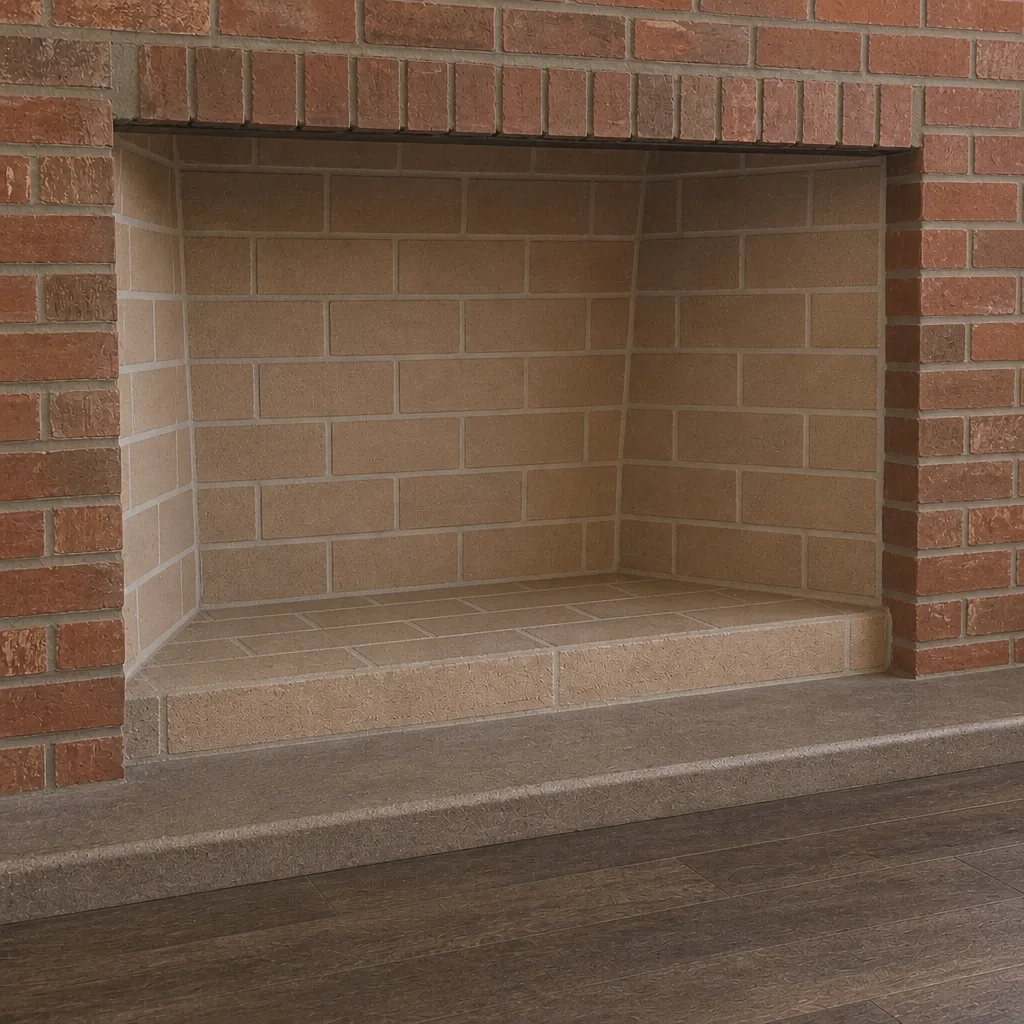
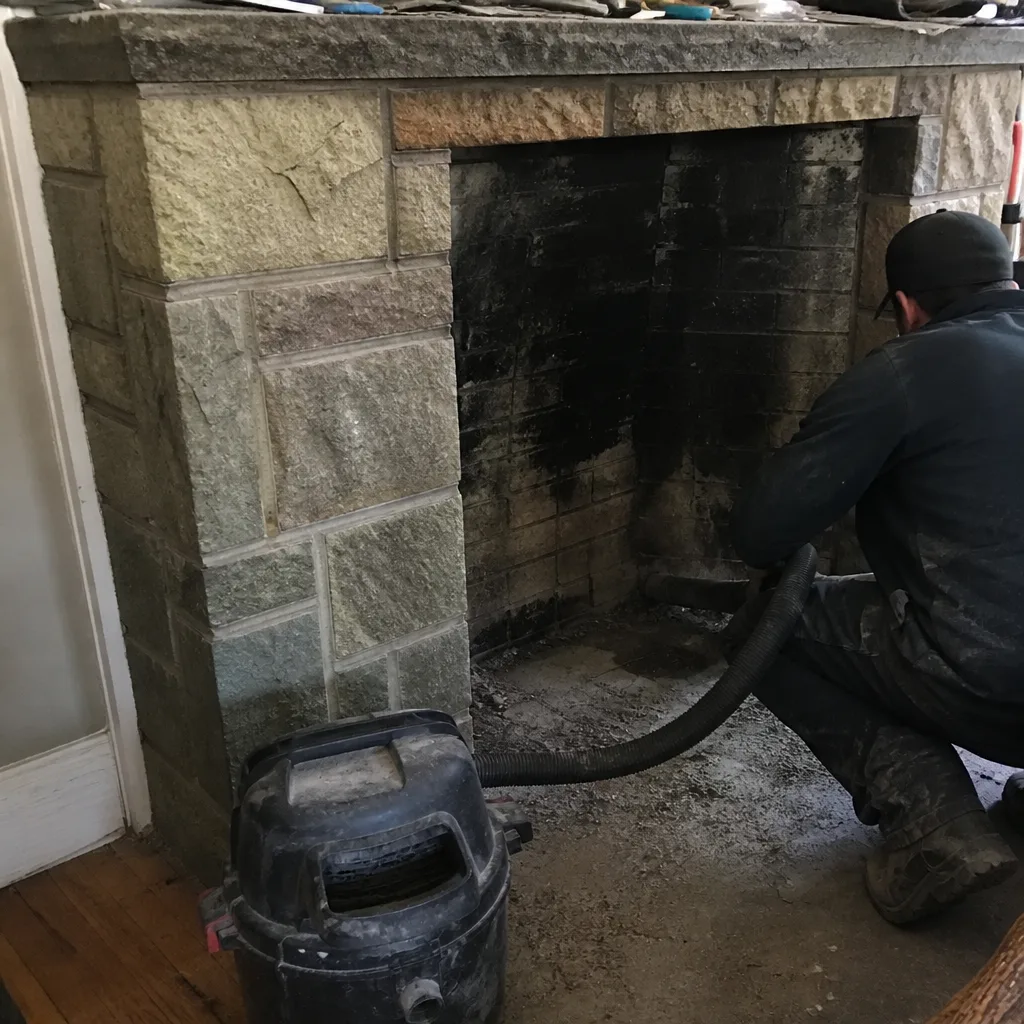
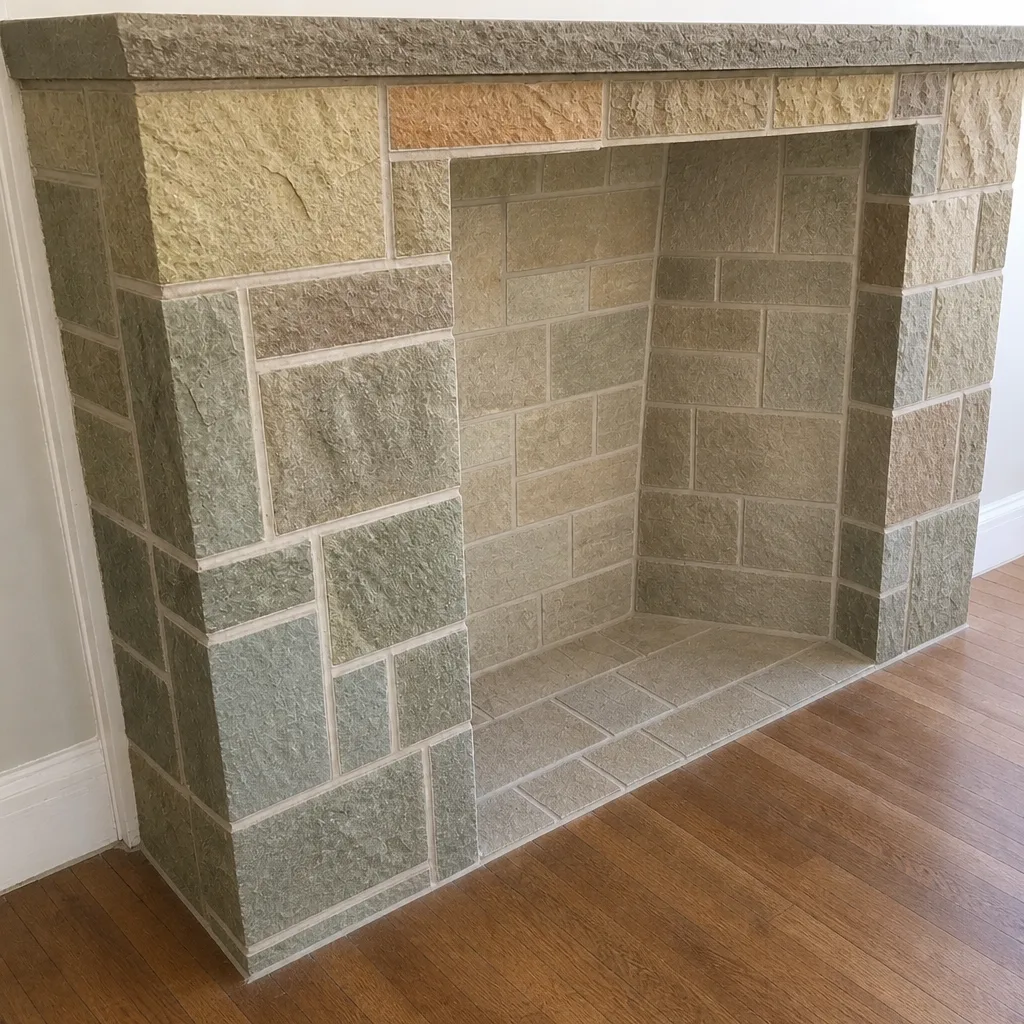
See the difference
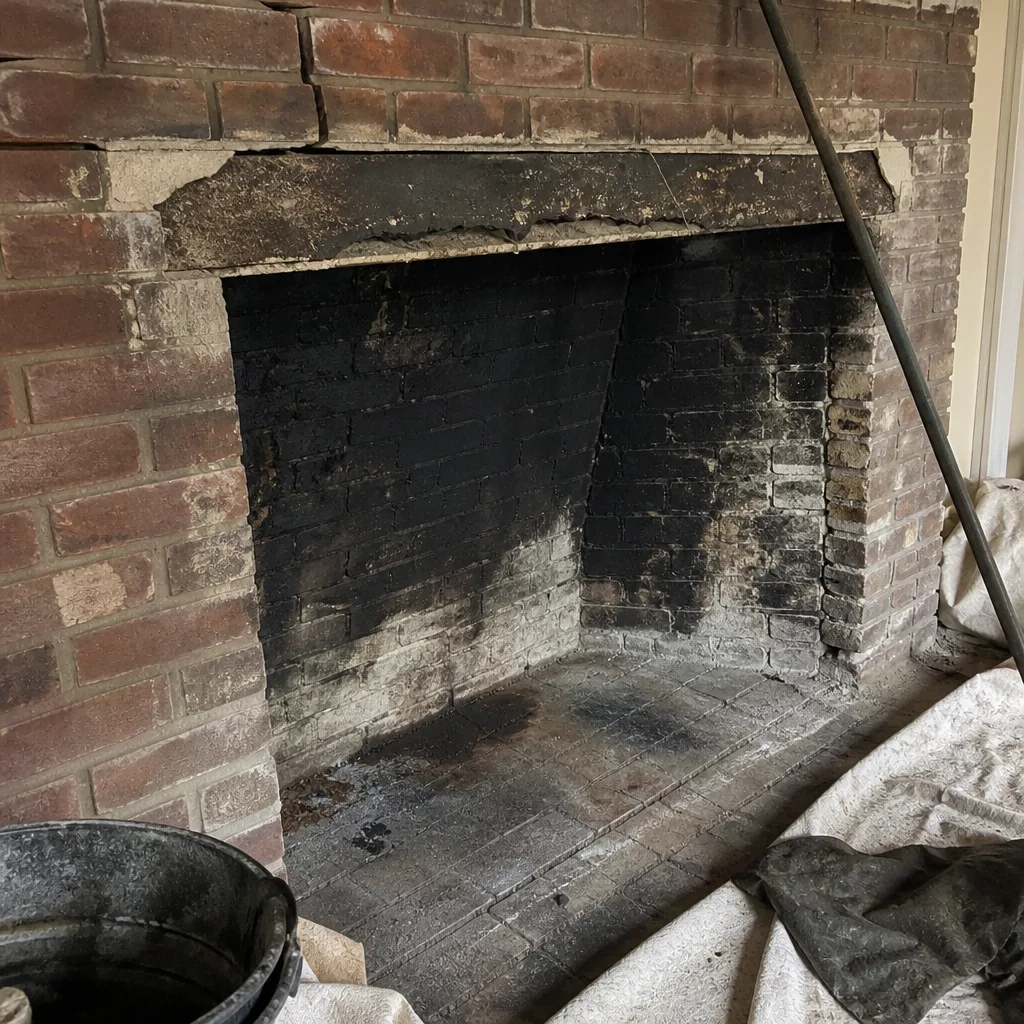 Before
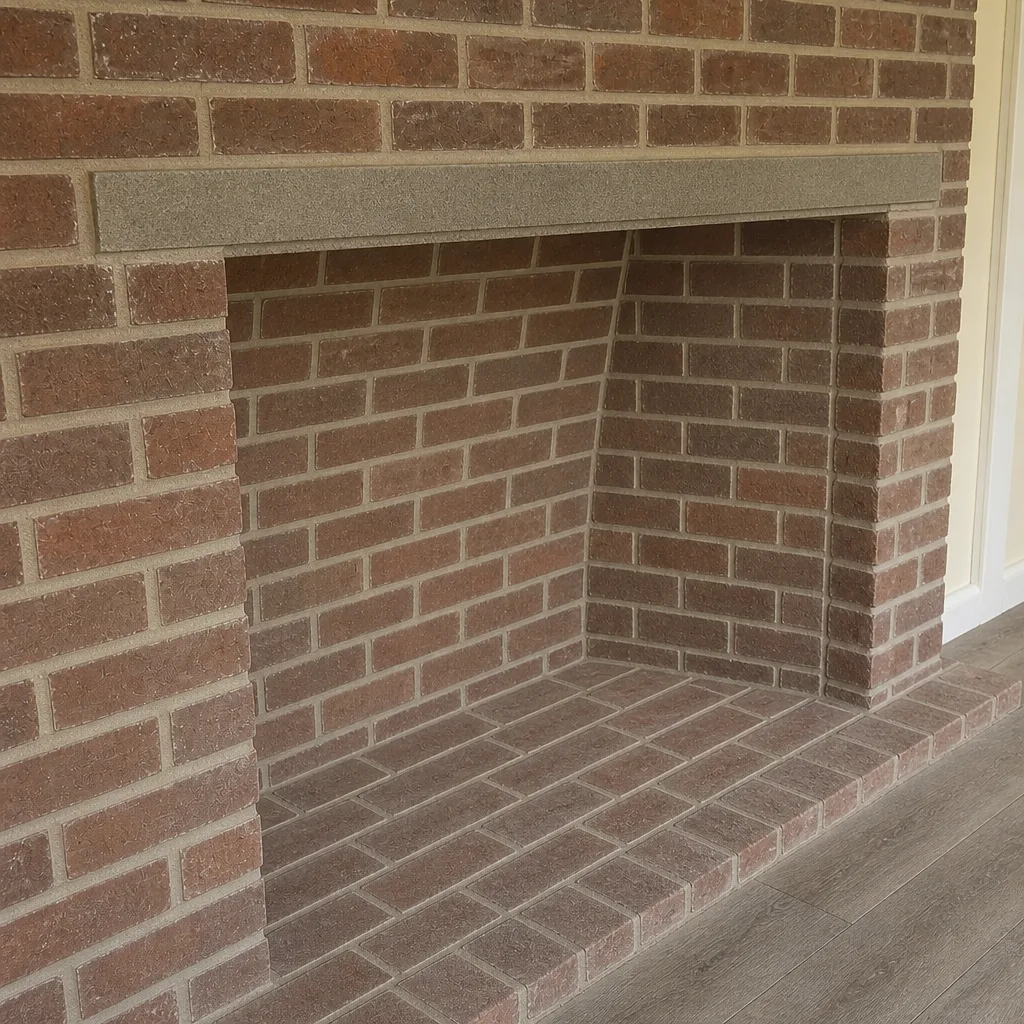 After
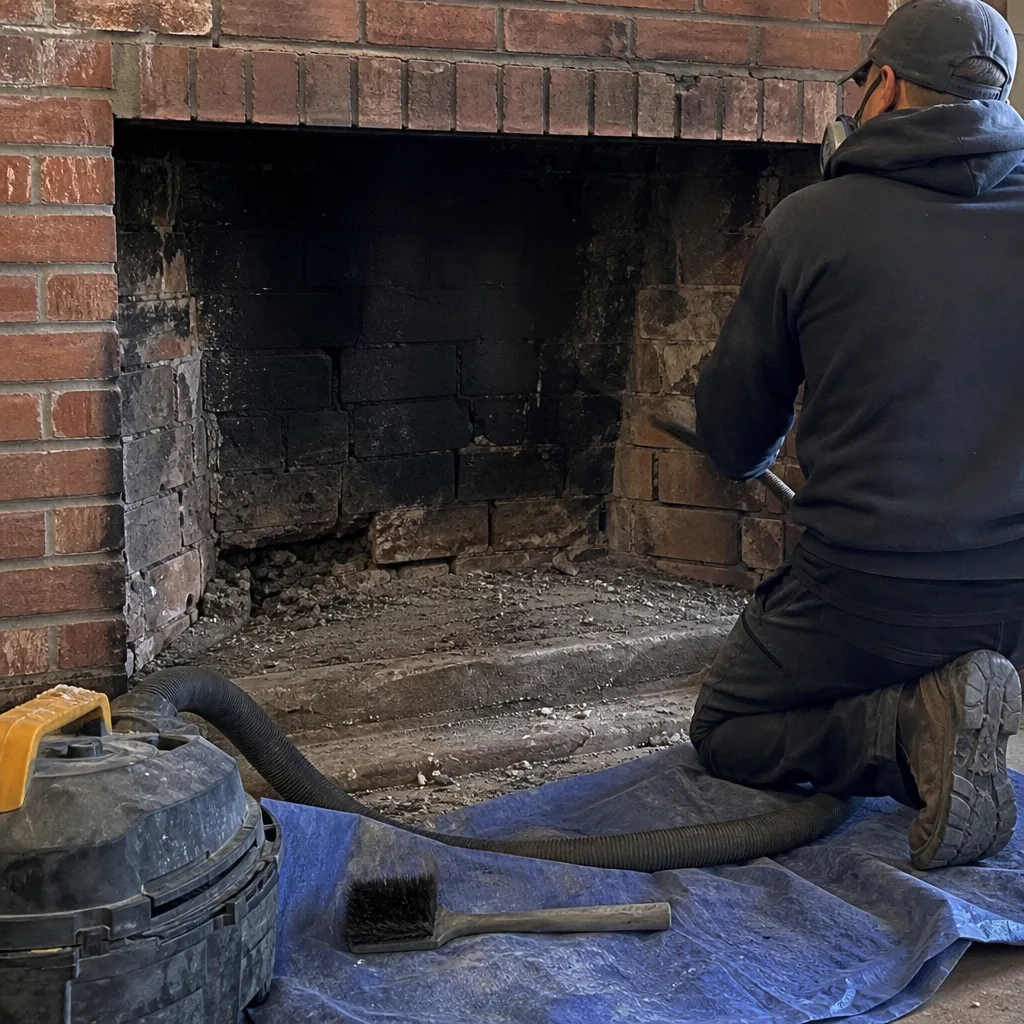 Before
 After
 Before
 After
When to Call a Professional
Call for anything involving the inside of the flue, the liner, or active smoke and odor problems. Specifically: strong or persistent odor coming from a fireplace that isn’t running, smoke rolling back into the room when you burn, visible soot or creosote buildup above the damper, debris or animals at the cap, water stains on the ceiling or chimney breast, a cap or crown that’s cracked or missing, or any first-time cleaning in a building whose history you don’t know. In Jackson Heights, any shared flue in a converted multi-family should also get a professional look before assuming it’s maintained. We offer free estimates in Jackson Heights. Call (866) 937-7175. We answer 24/7. Fast dispatch from 7am to 7pm, Sunday through Friday.
One safety note worth stating plainly: chimney interiors, hot flues, and anything involving the firebox are not something to handle on your own. A camera scan done by a trained technician is what keeps the job from becoming unsafe, and it’s the only way to know what’s really inside the system.
Frequently Asked Questions
The estimate is free and the price is set per job by the written estimate, so the number reflects what your specific system needs. Factors include the liner type (terra cotta versus stainless), the creosote stage present, whether a camera scan finds damage that changes the cleaning method, and whether you’re in a single-family or a shared-flue multi-family. Call (866) 937-7175 for an exact quote. Estimates are free.
Not automatically. Many Jackson Heights terra cotta liners with early-stage deterioration can be restored with HeatShield ceramic repair instead of a full reline, and a proper camera scan is what separates the two. If the damage is too far along, a DuraFlex flexible liner system is the standard replacement path. Don’t commit to either based on a verbal diagnosis alone. Call (866) 937-7175 and ask for the scan first. Estimates are free.
Once a year for a wood-burning chimney that’s used regularly, and annual inspection for gas fireplaces even when they look clean. Terra cotta liners in Jackson Heights pre-war rowhouses generally need closer inspection intervals than newer stainless systems, and shared flues in converted multi-families should be scheduled per unit. Call (866) 937-7175 to set up the first inspection. Estimates are free.
Creosote builds up stage by stage until it ignites, and in Jackson Heights the risk concentrates in shared flues where no single household is tracking the accumulation. Gas fireplaces skip the creosote path but still collect moisture-borne deposits and ambient particulate that reduce venting and can corrode components. The bigger cost is usually the repair that a routine cleaning would have caught early. Call (866) 937-7175 to get the system looked at. Estimates are free.
A pre-inspection camera scan, a brush sweep matched to the creosote stage, mechanical agitation or chemical softening where needed, HEPA vacuuming to contain soot, and a written condition report. Gas fireplace venting gets checked the same way. If you’re in a Jackson Heights converted multi-family, each unit’s flue gets documented independently. Call (866) 937-7175 to schedule. Estimates are free.
We handle the cap and crown as a distinct service alongside cleaning, because a failing cap or crown is the most common source of water intrusion and the most common thing that turns a small repair into a rebuild. Cleaning, inspection, cap and crown, liner systems, masonry repair, and fireplace repair all fall under one scope. Call (866) 937-7175 for an estimate. Estimates are free.
The Bottom Line
Chimney cleaning in Jackson Heights isn’t a universal procedure. Pre-war terra cotta liners, shared flues in converted multi-families, gas fireplaces running against urban particulate, and rowhouse construction all push the job in different directions. The cleaning should be matched to the building, the liner, and the creosote stage, and it should always start with a camera scan and end with written documentation. Match the tool to the stage. Document each flue independently in a shared stack. Don’t skip the gas fireplace. Catch cap and crown deterioration before it turns into a rebuild. If you want the specialist version rather than a generalist add-on, call (866) 937-7175 for a free estimate.
Written by the team at Chimney Sweep Jackson Heights.