
Last updated November 22, 2026
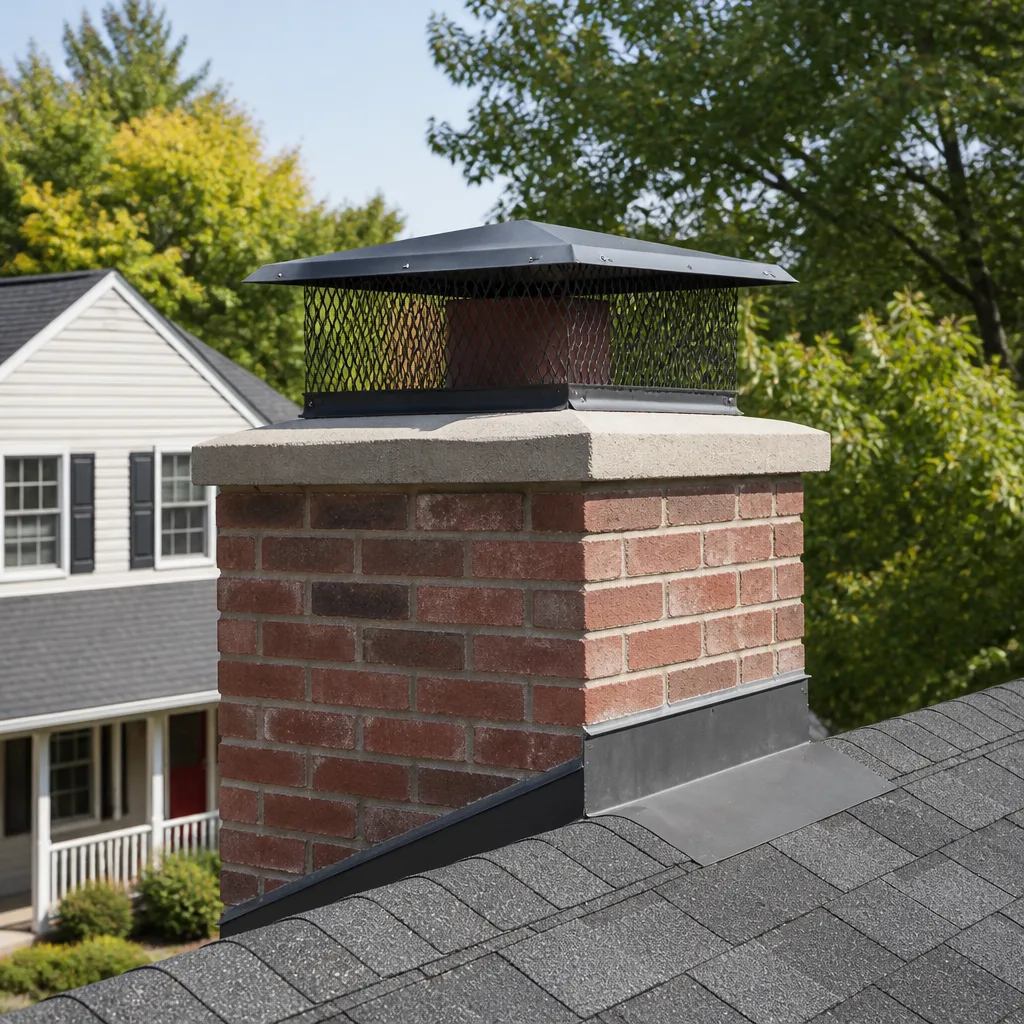 Sweep & inspection
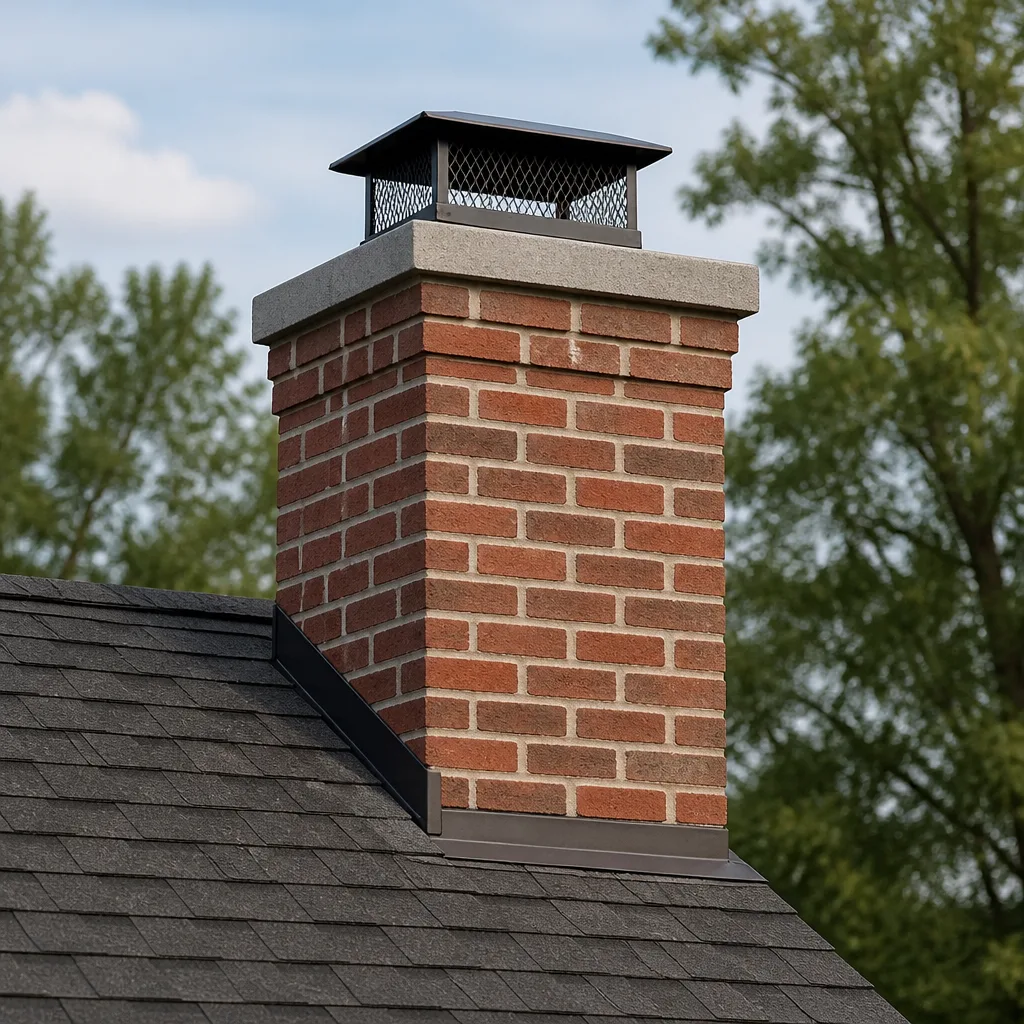 Caps & crowns
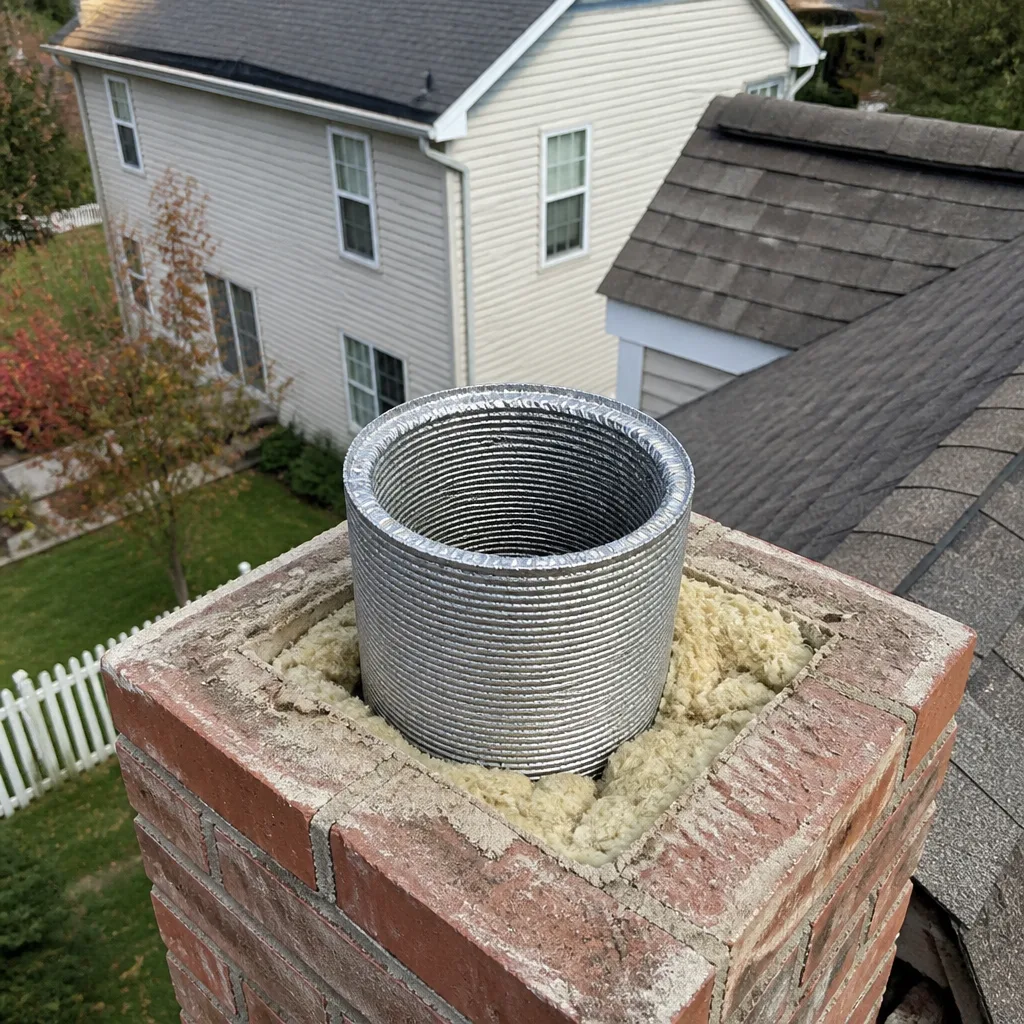 Flue relining
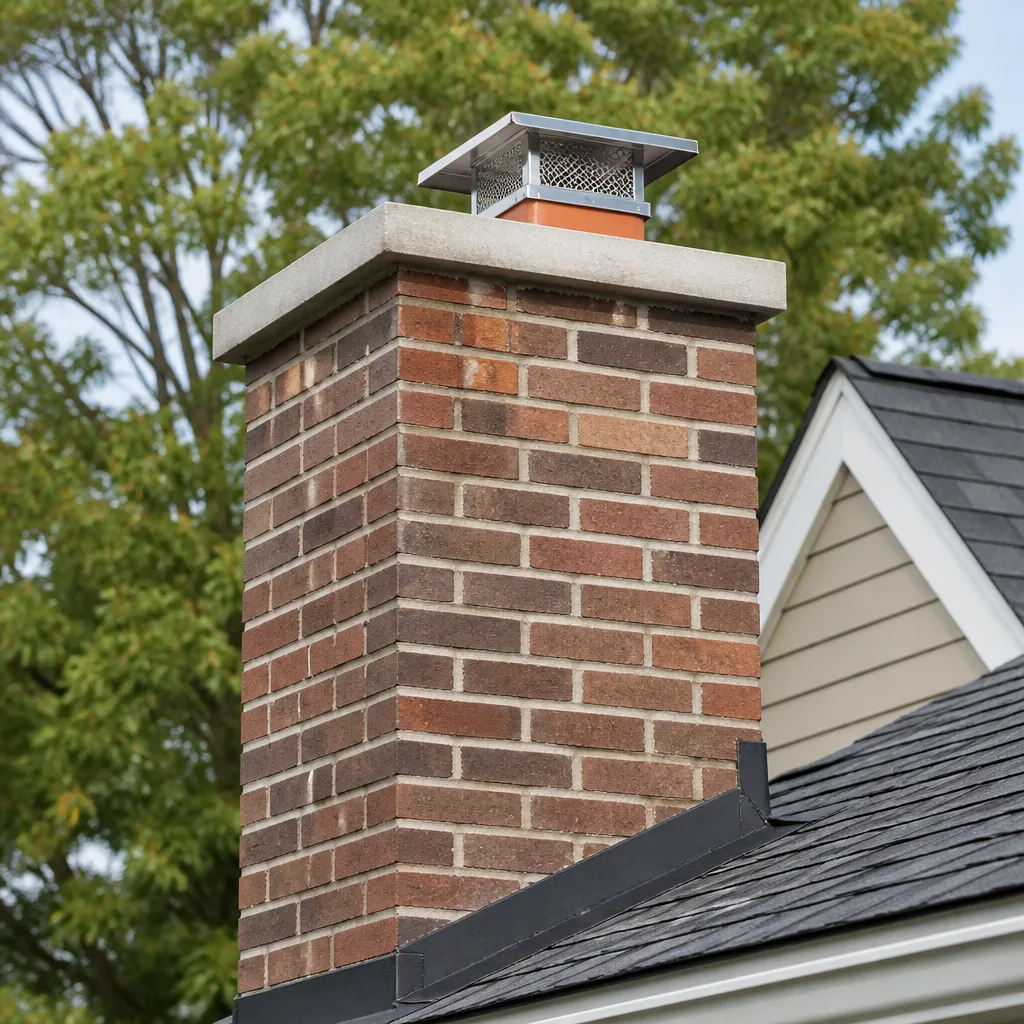 Masonry repair
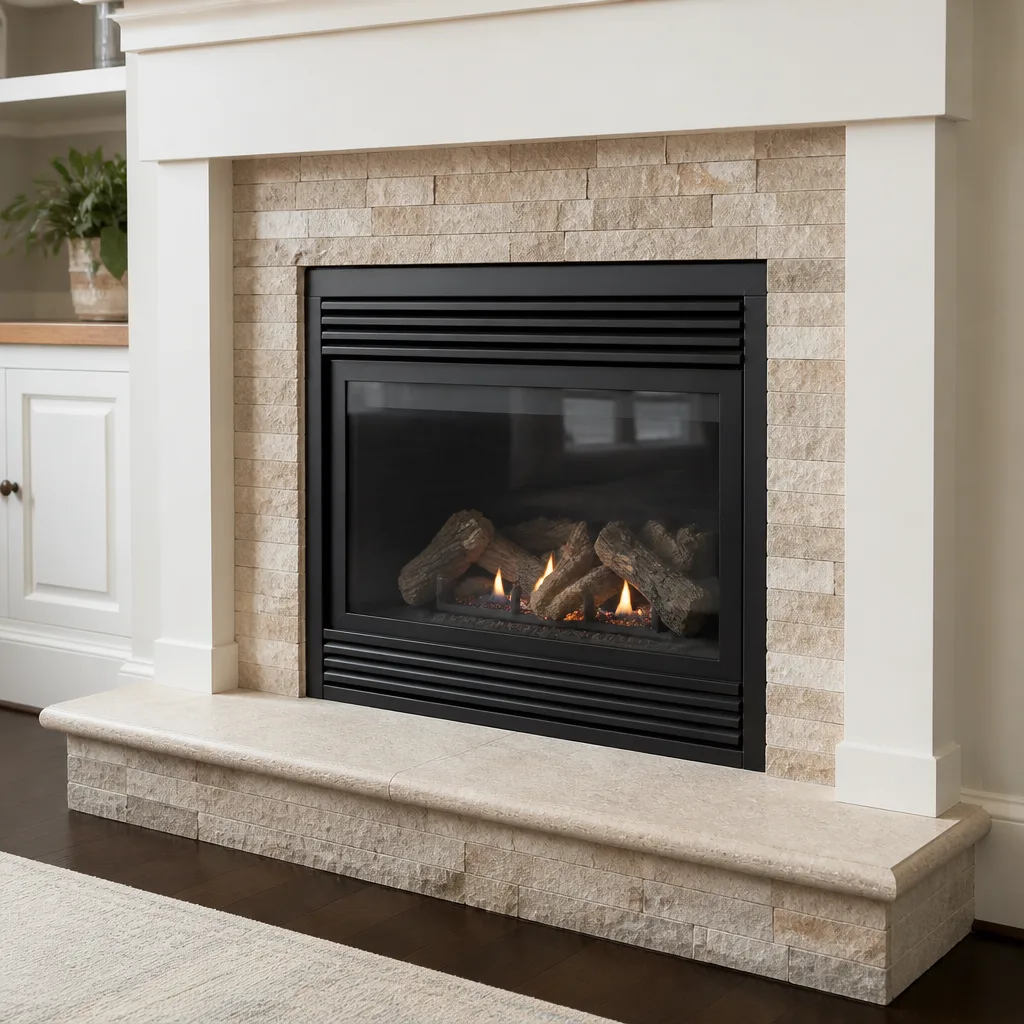 Gas fireplace service
Level 1 sweep and inspection to the NFPA 211 annual standard - flue, crown, cap, and flashing checked and photographed
Chimney sweep logs do not sweep chimneys. They loosen some creosote - which then falls where a brush and vacuum still have to collect it.
DIY vs Professional Chimney Cleaning: The Jackson Heights Homeowner’s Decision Guide
Chimney brush kits sold online come with everything except the one piece of equipment that would let you verify whether you actually cleaned the full liner or just the first six feet of it. That gap between what a brush can reach and what you can see is where most DIY chimney cleaning decisions get made badly. A homeowner with the right rods can knock down loose soot in the flue. What that same homeowner cannot do is look at the inside of a terra cotta flue tile and know whether the hairline crack running through it will hold through another heating season. This guide walks through what DIY can legitimately handle, what it can’t assess, what the real equipment cost looks like, and how Jackson Heights renters and condo owners should think about who carries the maintenance obligation.
Styles & brands we work with
- Sweep & inspection
- Caps & crowns
- Flue relining
- Masonry repair
- Gas fireplace service
Quick Answer
A homeowner can safely remove light, powdery soot from a stove connector pipe or the first few feet of a cleanout, but professional cleaning is what actually verifies the full flue, classifies creosote stage, and catches liner cracks or mortar joint failures that a brush cannot see. In Jackson Heights, a professional sweep with inspection runs around $200, while a proper DIY brush kit with HEPA containment starts at $300 to $500. For most homeowners, and especially for renters and condo owners who need documentation, the professional route serves both safety and the paperwork. Call Chimney Sweep Jackson Heights at (866) 937-7175 for a free estimate.
Table of Contents
- What DIY Chimney Cleaning Can Legitimately Handle
- What DIY Cleaning Cannot Assess
- The Renter and Condo Owner Liability Reality in Jackson Heights
- Equipment Cost Reality Check: DIY Kit vs Professional Sweep
- The Hybrid Approach: Monitor and Document Between Sweeps
- Understanding Creosote Stages: Why Classification Matters
- Jackson Heights Housing Stock and What It Means for Your Chimney
- Inspection Levels Explained: What a Standalone Inspection Covers
- Common Mistakes to Avoid
- When to Call a Professional
- Frequently Asked Questions
- The Bottom Line
What DIY Chimney Cleaning Can Legitimately Handle
There is a real category of chimney maintenance a careful homeowner can do without risking their safety or the structural integrity of the flue. It’s narrow, but it exists, and pretending otherwise would be dishonest. The trick is knowing exactly where the line sits between “safe homeowner task” and “leave it to a professional sweep.”
The work a homeowner can handle:
- Removing Stage 1 creosote from the firebox. Powdery, flaky soot that brushes off a firebox wall with a stiff chimney brush is Stage 1 creosote, and it’s the least dangerous type. Sweeping it into a sealable bucket with a HEPA-rated vacuum running nearby is manageable.
- Cleaning a wood stove connector pipe. On a freestanding wood stove, the black connector pipe running from the stove collar to the thimble can be removed, brushed out over a tarp, and re-seated. That’s a discrete component, not the flue itself.
- Clearing the first two to three feet of a cleanout. If your chimney has a cleanout door at the base, a short brushing of the low chamber removes the soot that accumulates there between sweeps.
- Cleaning a firebox after a season of use. Ash removal, firebrick brushing, and damper plate wiping are all within scope, provided you’re using a HEPA-equipped vacuum and not sweeping the dust into the living space.
- Inspecting the firebox and damper area visually. A handheld mirror on an extension rod and a flashlight let you see the firebox interior, damper plate, and lower smoke chamber. That’s a useful monthly check that catches obvious problems.
What ties all of this together is containment. Chimney soot is fine and travels. Any homeowner task that involves sweeping or brushing the firebox or pipe needs a HEPA-rated vacuum running the entire time, a drop cloth or plastic tarp sealing the hearth opening, and a sealable container for what you collect. Without those three, soot ends up on upholstery, in HVAC returns, and on every horizontal surface in the room. That’s how a $60 brush turns into a $600 cleaning bill.
What you should never attempt on your own: anything above the smoke chamber. We’ll get to why in the next section.
What DIY Cleaning Cannot Assess
The first several feet of a flue are not where chimney problems usually live. They live in the upper sections, in the offsets, and behind the smoke shelf – all places you cannot see with a handheld mirror and flashlight from the firebox floor. A proper inspection uses a chimney camera lowered on a rod, giving a technician a real-time view of every square inch of the flue interior. In our experience, a camera catches a problem like a hairline crack in a terra cotta flue tile in about ninety seconds. A homeowner with a brush and no camera will not catch it at all.
Here’s what falls into the “cannot assess” category:
- Liner integrity. Cracks, spalling, and gaps between flue tiles are invisible from below. They allow heat and combustion gases to escape into the chimney structure itself, which is where chimney fires start. Only a camera or direct roof access lets a technician check this.
- Creosote stage classification. Stage 1 creosote is powdery and brushable. Stage 2 is flaky, crusty, and often bonded to the flue wall. Stage 3 is glazed and hardened into a tar-like layer that a brush won’t touch. A homeowner can recognize Stage 1 in the firebox but has no way to confirm what’s in the upper flue, which is exactly where Stage 2 and 3 tend to accumulate.
- Animal obstruction behind the smoke shelf. Birds, squirrels, and raccoons nest in flues across Jackson Heights, and the obstruction usually sits in the smoke chamber or just above it. A homeowner looking up from the firebox will see the damper plate and nothing else.
- Mortar joint condition in the upper flue. The mortar holding flue tiles together can erode over decades. That erosion creates direct pathways for heat and gases into surrounding construction. You can only see it from the roof, from a camera, or both.
- Cap and crown condition. The concrete crown at the top of the chimney is the single most common source of water intrusion. A cracked crown lets rain run into the masonry, freeze, and crack it further. You can’t check it from the ground.
- Exterior masonry condition. Spalling brick, missing mortar joints, and damaged flashing require eyes on the outside of the chimney from roof level.
Every one of those checks happens during a professional sweep and inspection. The sweeping is the visible part; the inspection is where the actual value lives. If you take away nothing else from this guide, take that.
The Renter and Condo Owner Liability Reality in Jackson Heights
Jackson Heights has a large stock of rental apartments and multi-unit condo buildings, and that matters for who is responsible for chimney and fireplace maintenance. The short answer: it depends on your lease or your HOA documents, and it depends on whether the fireplace is listed as an amenity in your unit. There is no universal rule, and no one should rely on memory or a verbal assurance from a supers or property manager.
What renters should check before doing anything:
- Read the lease for a maintenance clause. Some leases put chimney sweeping on the landlord; some put it on the tenant. Some say nothing at all, which usually means the landlord carries the obligation to maintain the building’s systems.
- Identify whether the fireplace is decorative or operational. Many older Jackson Heights apartments have fireplaces that were converted to gas logs or sealed off. A sealed fireplace has different maintenance obligations than one that still burns wood.
- Ask the super or building manager for the building’s last inspection record. If the building has a shared chimney system serving multiple units, the record should exist. If it doesn’t, that’s information you need.
- Get permission in writing before any cleaning or repair. Even a routine sweep by a licensed professional can trigger a liability question if something is discovered in the flue.
For condo owners, the split between what the HOA maintains and what the unit owner maintains usually lives in the declaration and bylaws. Chimney flues serving a single unit are often the unit owner’s responsibility; shared flues and the chimney stack itself are often the building’s. In our experience, this is where paperwork gets blurry, and a professional sweep report matters more than usual because it establishes a record of condition on a specific date.
DIY cleaning does not satisfy a maintenance obligation for one simple reason: it generates no documentation. A landlord cannot prove the flue was cleaned, an insurer cannot verify the flue’s condition, and neither can you. A professional sweep produces a written report with photos and notes, and that report is what satisfies a landlord, an HOA, or an insurer when a question arises.
If you’re unsure which side of the line you’re on, the safest path is a professional inspection. A standalone inspection under NFPA 211 standards tells you the flue’s actual condition and gives you a paper trail. Call (866) 937-7175 and we can talk through what your lease or HOA situation probably requires.
Equipment Cost Reality Check: DIY Kit vs Professional Sweep
A full DIY setup that actually contains soot and does the job safely costs between $300 and $500. A professional sweep with inspection in Jackson Heights runs around $200. That’s the whole comparison, and it makes the case better than any argument could.
Here’s what a proper DIY kit has to include to be safe and effective:
- Chimney brush set (round and square, various sizes). Roughly $40 to $80 depending on whether you buy a set or individual brushes sized to your flue.
- Fiberglass extension rods. Long enough to reach the top of the flue. Roughly $60 to $120 for a set; cheap rods snap inside the flue and become a professional problem.
- HEPA-rated vacuum. Not a shop vac; HEPA containment is what keeps fine soot out of the air. Roughly $150 to $250 for a unit that handles chimney dust.
- Drop cloths and sealing plastic. $20 to $40.
- Respirator and safety glasses. $30 to $60.
- Headlamp, handheld mirror on extension, and flashlight. $20 to $40.
Add those up and you’re at $320 to $590 before you’ve bought a single replacement gasket, and that doesn’t include a camera for the flue. A camera inspection rig alone is hundreds more. And the kit doesn’t get reused year over year for anything except the same firebox cleaning; the rods and brush wear out, the vacuum filter clogs, and the HEPA filter replacement alone runs $30 to $60.
The professional comparison:
- Professional sweep with inspection in Jackson Heights: around $200. That includes a full sweep of the flue, a camera inspection, and a written report. The price is set per job by a written estimate, and the estimate is free.
- What you’re actually buying: verified liner condition, creosote stage classification, obstruction check, mortar joint review, cap and crown assessment, and a written record you can hand to a landlord, an insurer, or a future buyer.
For a homeowner who plans to sweep every year for ten years, the math isn’t close. For a homeowner who sweeps once every few years, it’s not close either. The kit is worth buying only if you’ve decided to do the contained firebox-level work between professional sweeps, which is the hybrid approach below.
The Hybrid Approach: Monitor and Document Between Sweeps
The best use of a homeowner’s time isn’t cleaning the flue; it’s monitoring the parts of the system they can actually see. A handheld mirror on an extension rod, a flashlight, and a phone camera are all the tools needed to build a useful photo log between annual professional sweeps. That log becomes valuable context for the next technician and for anyone who needs to know the flue’s history.
Here’s the hybrid routine in five steps:
- Photograph the firebox when it’s clean. After the professional sweep, take photos of the firebox interior, firebrick, damper plate, and the first few inches of the flue opening. Those are your baseline reference shots.
- Repeat the photos monthly during heating season. Same angles, same lighting. Changes become obvious in a side-by-side comparison that wouldn’t be obvious otherwise.
- Note creosote accumulation on the damper plate and firebox walls. Flaky, crusty buildup around the damper plate is a sign to call sooner rather than later.
- Check the cap and crown from the ground with binoculars. You’re looking for visible cracks in the concrete crown, rusted or missing cap mesh, and obvious brick spalling. Binoculars from the ground are perfectly adequate for this.
- Log any unusual smell or draft issue. A persistent smoky smell in the room when the fireplace is not in use is a signal worth a call, not something to wait on.
Between those checks, do the contained firebox-level work described earlier: remove Stage 1 soot from the firebox with a HEPA vacuum running, empty ash, wipe the damper plate. That’s it. Leave the flue, the smoke chamber, and the chimney top to a professional sweep and inspection once a year.
This hybrid routine is also how you catch small things before they become structural. A cracked crown discovered from the ground with binoculars in October is a chimney cap & crown repair. The same crack discovered in February after a freeze-thaw cycle has often spread into the masonry below it. Catching it early is the whole game.
Understanding Creosote Stages: Why Classification Matters
Creosote is the residue left behind when wood smoke cools against the flue wall. It comes in three stages, and each stage requires different treatment. A homeowner can see Stage 1 clearly. Stage 2 and Stage 3 usually live in the upper flue, which is where the camera comes in.
- Stage 1: powdery and flaky. Brushes off easily. This is the only stage a homeowner can realistically handle safely, and only in the firebox, connector pipe, or lower cleanout area. A standard chimney brush removes it.
- Stage 2: flaky and crusty. Bonded to the flue wall. A standard brush scrapes some of it off but leaves a layer behind. Professional equipment, sometimes with chemical treatment, is needed to remove it fully.
- Stage 3: glazed and hardened. Tar-like, glassy, and extremely difficult to remove. A brush will not touch it. Stage 3 creosote is a fire hazard and often the trigger for liner replacement, though in some cases a specialized ceramic restoration system can extend the life of the existing flue without full replacement.
Why classification matters: the danger of a chimney fire scales with creosote stage. Stage 1 is manageable. Stage 2 is a genuine risk if it accumulates. Stage 3 is the condition where a chimney fire becomes likely under normal use. A homeowner who sweeps the firebox and assumes the flue is clean is missing the one piece of information that matters most.
A professional sweep classifies the creosote during the sweep and inspection. If it’s Stage 1 or light Stage 2, the sweep removes it and you get a report. If it’s heavy Stage 2 or Stage 3, the report tells you what’s needed. In some cases, a ceramic flue repair system is the appropriate fix, and it can be applied without a full reline. In other cases, a flexible liner is the right call. We work with DuraFlex flexible liner systems and HeatShield ceramic flue repair, and the choice between them depends entirely on what the camera shows.
That’s the answer to the question “do I really need a full reline?” It depends on what’s actually in the flue, and nobody can tell you without looking. If someone quotes you a full reline over the phone without seeing the flue, that’s not a diagnosis, it’s a sales pitch.
Jackson Heights Housing Stock and What It Means for Your Chimney
Jackson Heights is dominated by pre-war apartment buildings, brick rowhouses, and garden apartment complexes, and that housing stock shapes what chimney problems look like here. The brick is old. The mortar joints have had a lot of winters. Many of the chimneys were originally built for coal then converted to oil then converted to wood or gas over several decades. Each conversion leaves its own trace, and the flue may not match the fuel that’s currently burned in it.
What that means practically:
- Terra cotta liners dominate. Most pre-war chimneys in Jackson Heights have terra cotta flue tiles, not modern stainless liners. Terra cotta cracks over time from thermal cycling and moisture. A camera inspection is the only reliable way to check.
- Crowns have often been patched, sometimes badly. The concrete crown at the top of the chimney is exposed to every freeze-thaw cycle the neighborhood gets, and a bad patch from a previous owner is common. A crown that isn’t properly sloped away from the flue will channel water straight into the masonry.
- Chimneys often serve multiple flues. In rowhouses and older apartment buildings, a single chimney stack may serve flues from more than one unit. That’s where the HOA and lease questions come back into play, and where documentation from a professional sweep is worth its weight.
- Gas fireplace conversions are common. Many Jackson Heights fireplaces were converted to gas logs or vented gas fireplaces. The flue requirements for gas are different from wood, and a converted fireplace should be inspected to confirm the flue is appropriate for the current fuel.
- Animal intrusion is a real seasonal issue. Urban chimneys attract birds and squirrels, and an uncapped flue is an open door. A properly fitted cap is one of the highest-value preventive items on the whole system.
If your Jackson Heights home is one of the older brick buildings, the odds are high that the chimney has at least one issue that a camera would catch and a firebox glance would not. That’s not a scare tactic; it’s arithmetic. Old brick, old mortar, and decades of fuel conversions add up.
For repair work, we work with the professional trade brands – HeatShield for ceramic flue restoration, DuraFlex for flexible liner systems, and Olympia Chimney and Gelco for venting components and specialty accessories. The point of naming them is simple: material matters, and the right material depends on what the inspection shows. A generic repair with the wrong product is a repair that will fail again, sometimes within a few seasons.
Inspection Levels Explained: What a Standalone Inspection Covers
A standalone chimney inspection is a service in its own right, and it’s worth knowing what you’re buying before you book one. Chimney inspections are commonly grouped into three levels under NFPA 211 standards. Most homeowners only need Level 1 or Level 2, and the difference is what you’re paying for.
- Level 1 inspection. Visual check of readily accessible portions of the chimney, firebox, and connected appliance, plus confirmation that the flue is appropriate for the fuel being burned. Appropriate for a routine annual check when nothing has changed.
- Level 2 inspection. Everything in Level 1, plus a camera inspection of the flue interior and accessible attic, crawl space, and chimney exterior areas. Required when the fuel type changes, when a property is sold, or after a chimney fire or seismic event. This is the level most Jackson Heights homeowners actually need, especially in older buildings.
- Level 3 inspection. Everything in Level 2, plus removal of parts of the chimney or building construction to access concealed areas. Rare, and usually triggered by a specific concern identified in a Level 2 inspection.
When you book a sweep with inspection, you’re getting a Level 1 that’s typically upgraded to Level 2 whenever the technician sees a reason. When you book a standalone inspection, we can scope it precisely and tell you what it covers before anyone shows up. That’s part of the value of a dedicated chimney specialist rather than a general handyman who happens to own a brush.
The written report you get after an inspection is the artifact that matters. It documents flue condition, creosote stage, cap and crown condition, and any recommended repairs. If you are selling a Jackson Heights property, renting one out, or trying to satisfy an insurer, that report is what changes the conversation.
Common Mistakes to Avoid
- Assuming the firebox is the chimney. The firebox is the bottom of the system. Cleaning the firebox says nothing about the upper flue, where most dangerous conditions live. Sweep the firebox and you still don’t know what the flue looks like.
- Skipping the HEPA vacuum. A shop vac pushed up against a chimney opening blows fine soot into the room and into the HVAC system. If you’re going to do any contained homeowner-level work, a HEPA vacuum isn’t optional.
- Using cheap rods. Fiberglass rods that snap inside the flue turn a $60 mistake into a professional retrieval job. Buy rated rods or don’t buy any.
- Sweeping without a cap on the flue. If your Jackson Heights chimney has no cap, sweeping just creates a fresh open invitation for birds and rain. Cap first, then sweep.
- Relying on a verbal assurance from a previous owner or super. “It was swept last year” is not a document. If there’s no report, treat the flue as unverified.
- Burning unseasoned wood to save money. Wet wood creates far more creosote than seasoned wood, and it’s the single biggest reason flues glaze over in a single season. Dry wood, always.
- Ignoring a smoky smell when the fireplace isn’t running. That smell is a draft problem or an obstruction. Neither is a wait-and-see issue.
When to Call a Professional
Some situations need a professional on the phone or at the address, not a homeowner with a brush kit and a weekend. Call us when: the flue has never been inspected, or you don’t know when it last was; there’s any sign of Stage 2 or Stage 3 creosote around the damper plate; the fireplace produces a smoky smell when it’s not in use; the cap is missing or damaged; the crown shows visible cracks from ground level; you’re buying, selling, or renting a Jackson Heights property with a fireplace; or a prior owner’s work is uncertain. Those are also the moments when a written inspection report is worth more than the visit itself. Chimney Sweep Jackson Heights offers free estimates in Jackson Heights – call (866) 937-7175. If you know you need a chimney repair rather than a routine sweep, tell us that when you call so we can scope it correctly.
Frequently Asked Questions
A professional chimney sweep with inspection in Jackson Heights typically costs around $200. That includes a full flue sweep, a camera inspection, and a written report, and the estimate before booking is free. Call (866) 937-7175 for an exact quote – estimates are free.
Only if the camera inspection shows the existing liner is cracked, spalling, or otherwise unsafe for the fuel you burn. Many flues that look fine from the firebox have liner problems visible only on camera. Some cases can be handled with a ceramic restoration system instead of a full reline, and we’ll tell you which applies after we look. Call (866) 937-7175 for an exact quote – estimates are free.
Once a year during active use is the standard, or more often if you burn heavily or notice creosote buildup. A camera check once a year catches small issues before they become structural. Call (866) 937-7175 for an exact quote – estimates are free.
Creosote accumulates, Stage 2 turns into Stage 3, and the risk of a chimney fire rises with the stage. Separately, small liner cracks widen, water gets in through a cracked crown, and a modest repair becomes a masonry rebuild. Call (866) 937-7175 for an exact quote – estimates are free.
You can handle contained firebox-level soot removal, but you cannot satisfy a lease or HOA maintenance obligation without documentation, and that requires a professional sweep report. Check your lease or HOA declaration first, then get the report that proves compliance. Call (866) 937-7175 for an exact quote – estimates are free.
Yes. Liner cracks, mortar joint erosion, animal obstruction behind the smoke shelf, and crown damage all require a camera or roof access to detect, and none of that is what a brush reaches. A brush removes soot; an inspection checks the system. Call (866) 937-7175 for an exact quote – estimates are free.
Yes, especially on older brick buildings where the flue is a direct opening for rain, birds, and squirrels. A properly fitted cap is one of the highest-value preventive items on the whole system. Call (866) 937-7175 for an exact quote – estimates are free.
Yes. Sweeping, inspection, cap and crown, liner systems, masonry repair, and fireplace repair are all handled by the same specialist, which means one call covers the whole system instead of coordinating between separate trades. Call (866) 937-7175 for an exact quote – estimates are free.
The Bottom Line
The DIY vs professional chimney cleaning question has a clear answer once you separate what a homeowner can do from what only a professional can see. A homeowner can handle contained firebox-level soot removal with the right HEPA containment and reasonable care. What a homeowner cannot do is verify liner integrity, classify creosote stage in the upper flue, or check cap and crown condition, and those are exactly the things that determine whether a chimney is safe. A DIY kit runs $300 to $500 and still omits the camera. A professional sweep with inspection in Jackson Heights runs around $200 and produces a written report. For renters and condo owners, that report may be the only thing that satisfies a maintenance obligation. Call (866) 937-7175 for a free estimate. We answer 24/7. Fast dispatch from 7am to 7pm, Sunday through Friday.
If you’re in Jackson Heights and you want to start with a chimney sweep or a standalone inspection, we’ll scope it on the phone and give you a free written estimate before anything is booked. Our technicians have up to 10 years of experience, and we work on the whole system, from the firebox to the crown.
Written by the team at Chimney Sweep Jackson Heights.
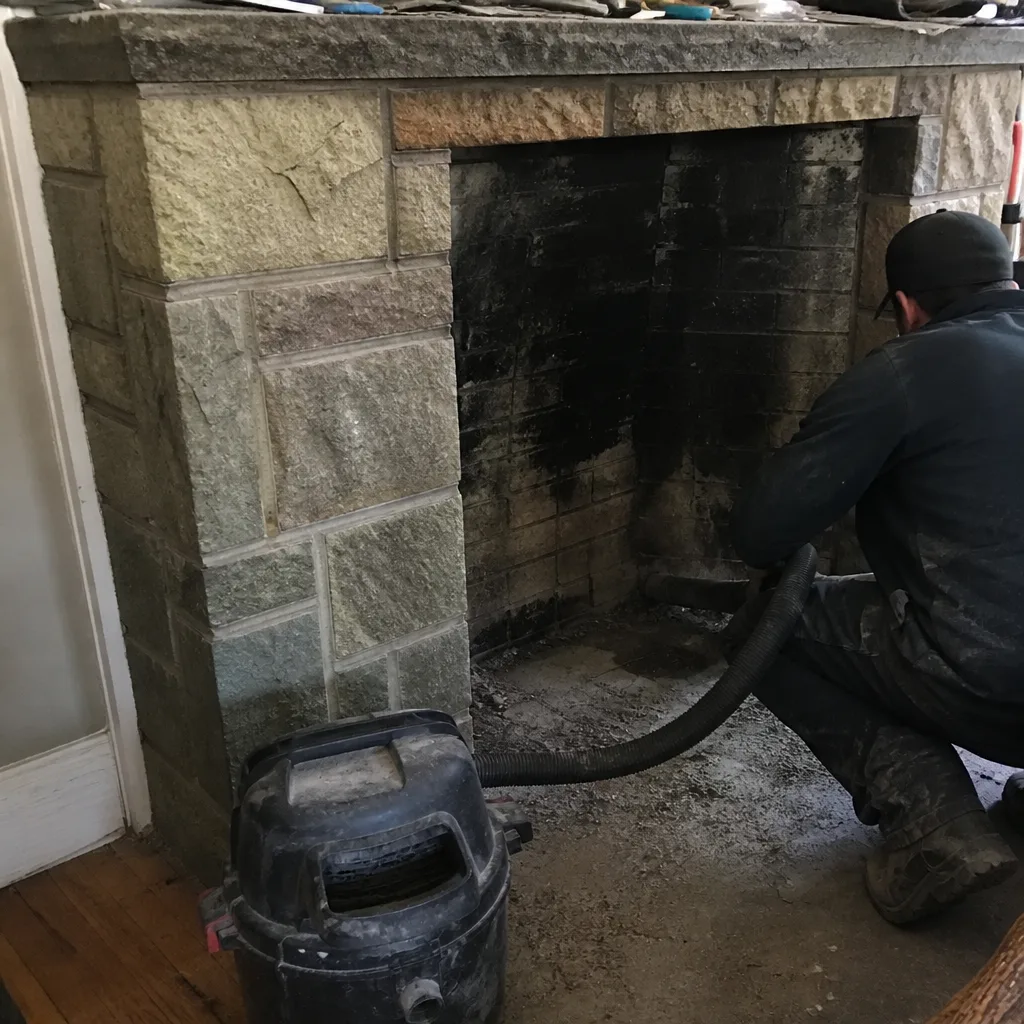
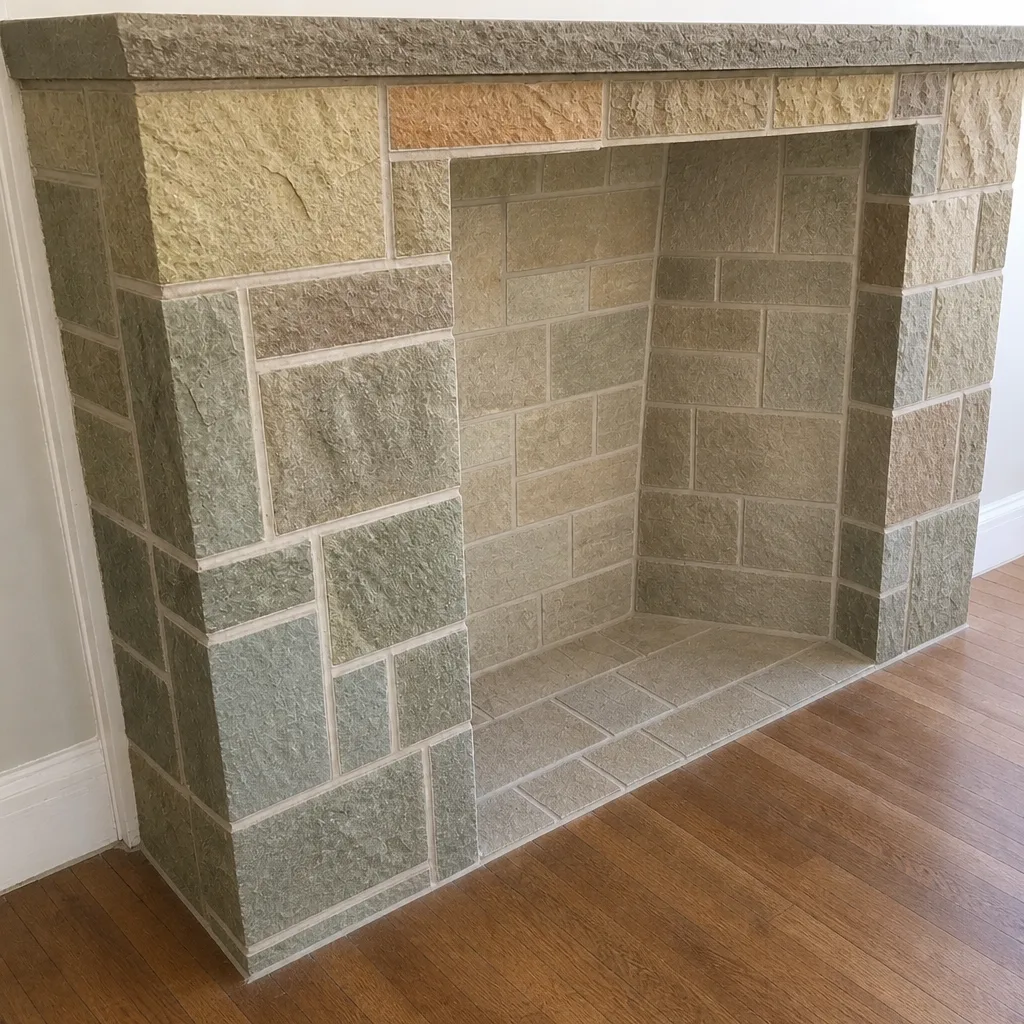
See the difference
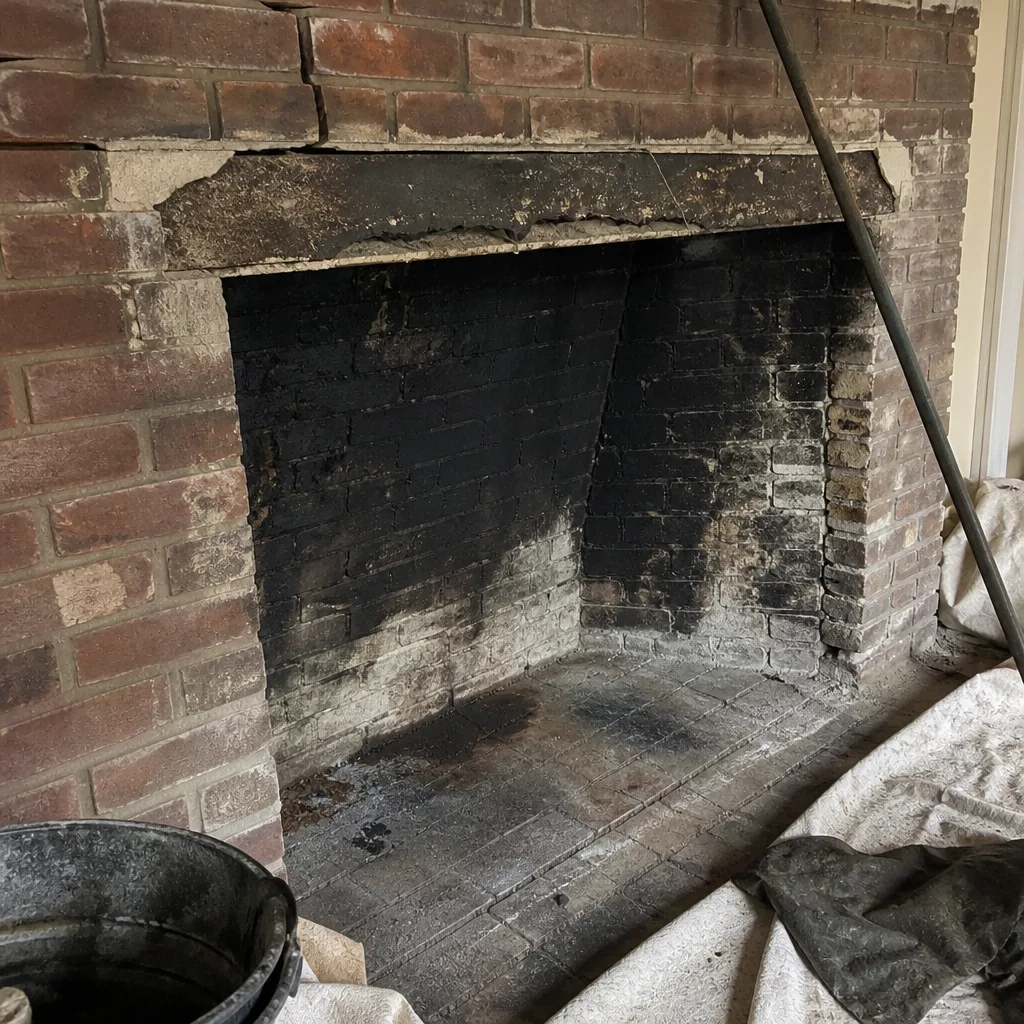 Before
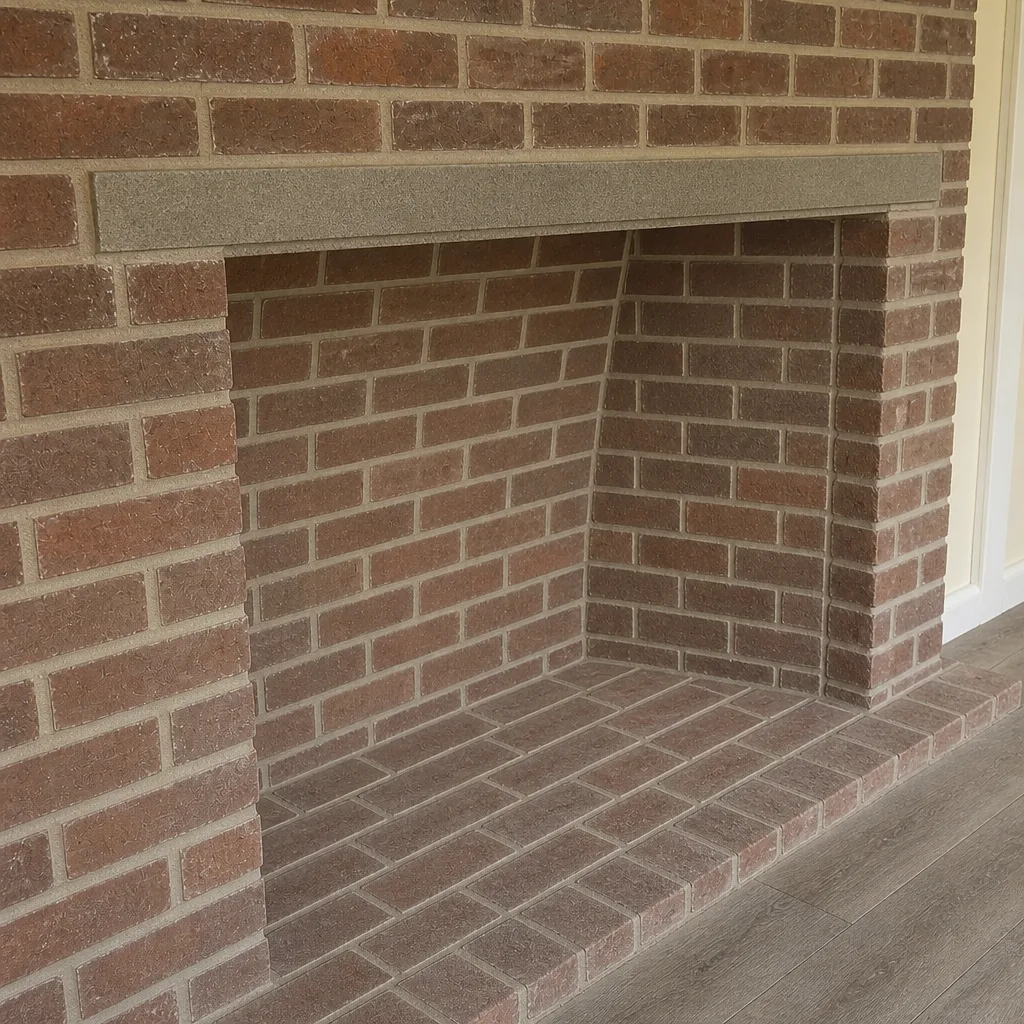 After
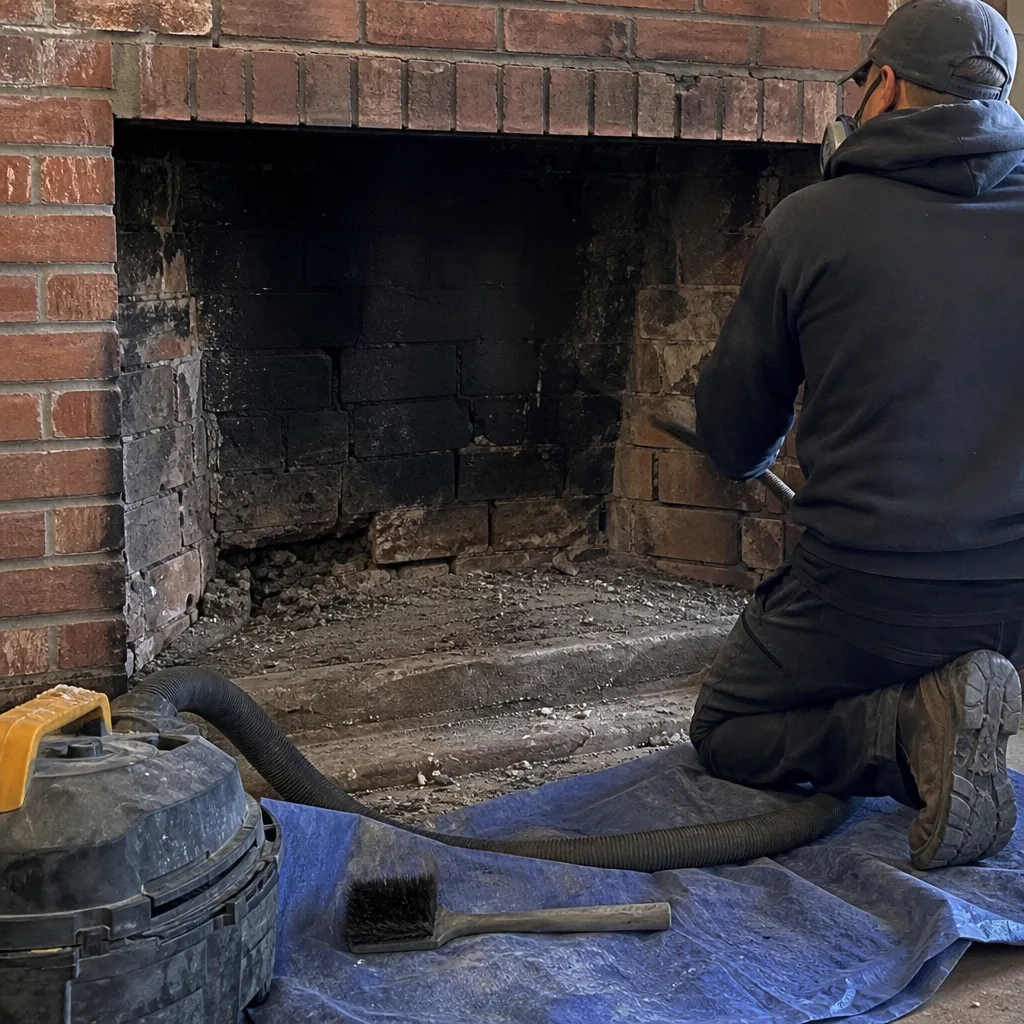 Before
 After
 Before
 After