
Last updated November 22, 2026
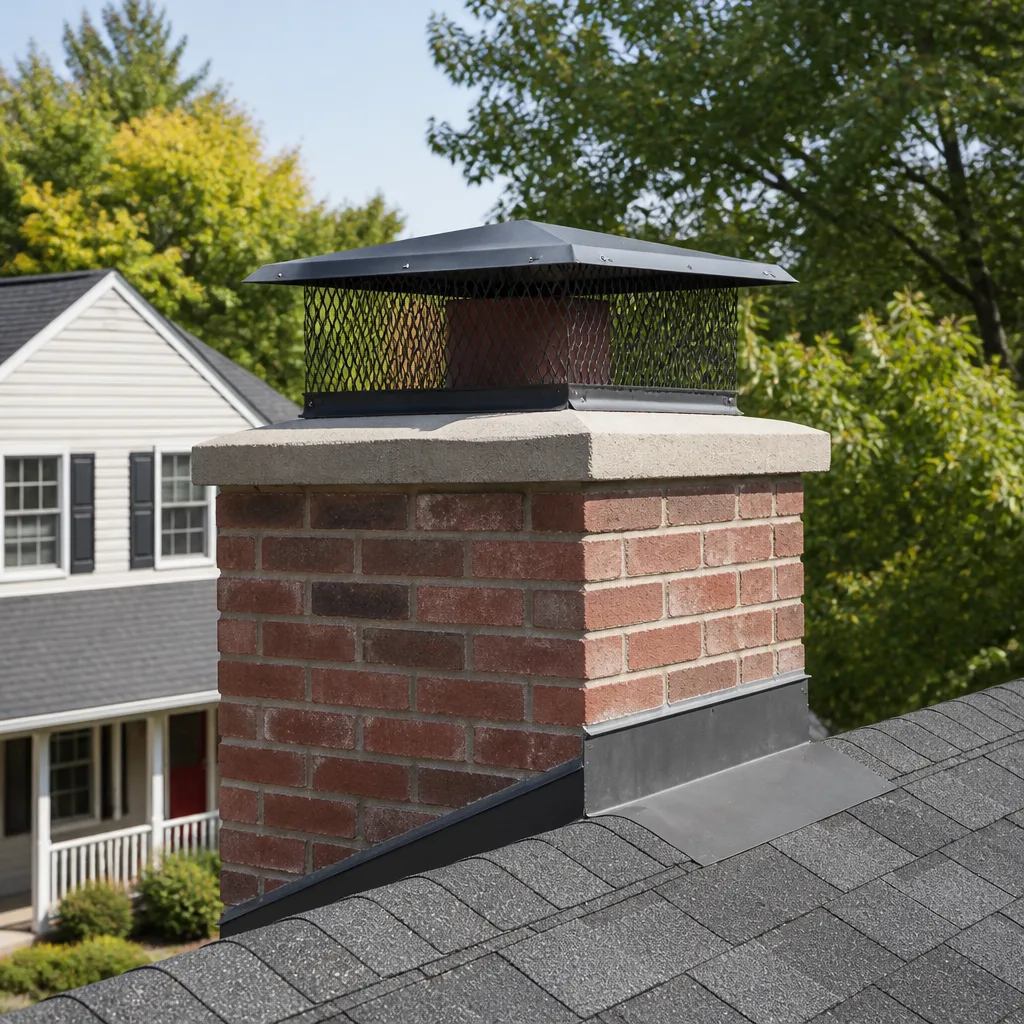 Sweep & inspection
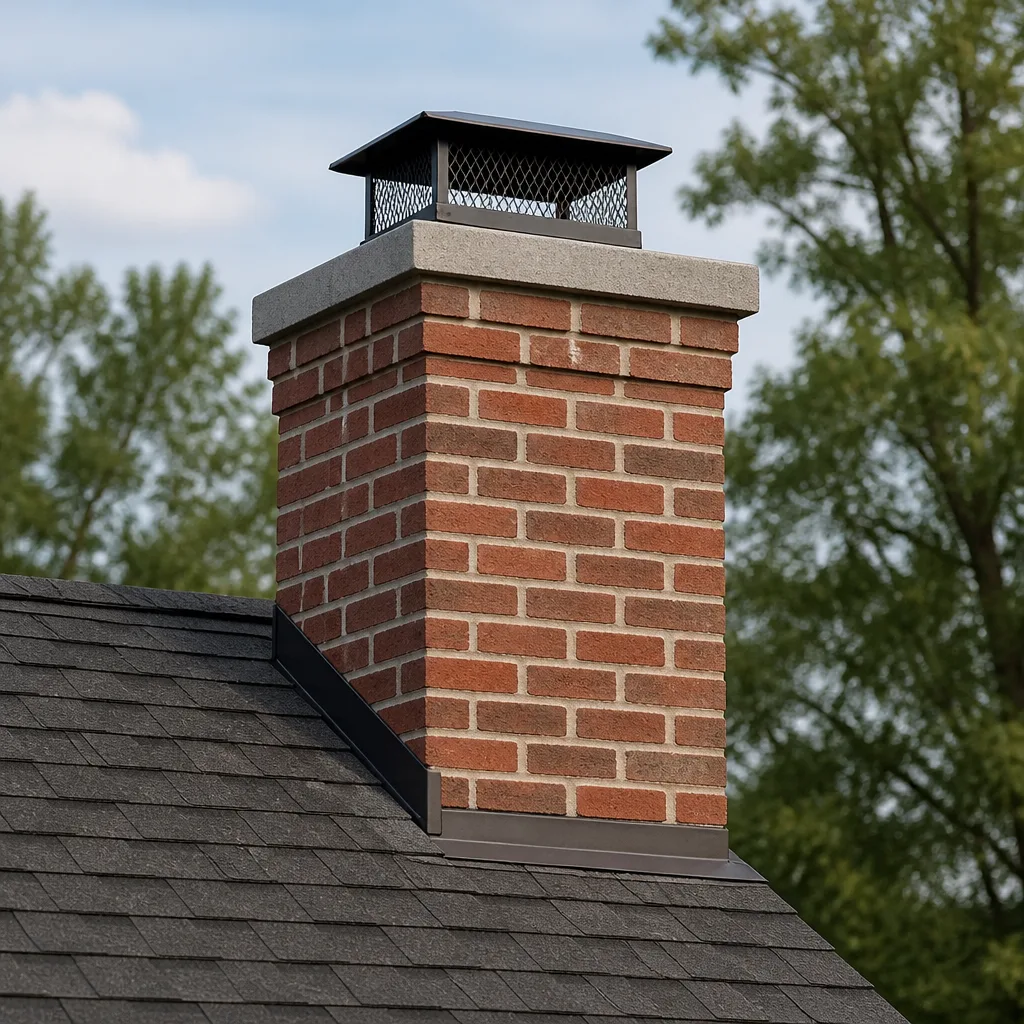 Caps & crowns
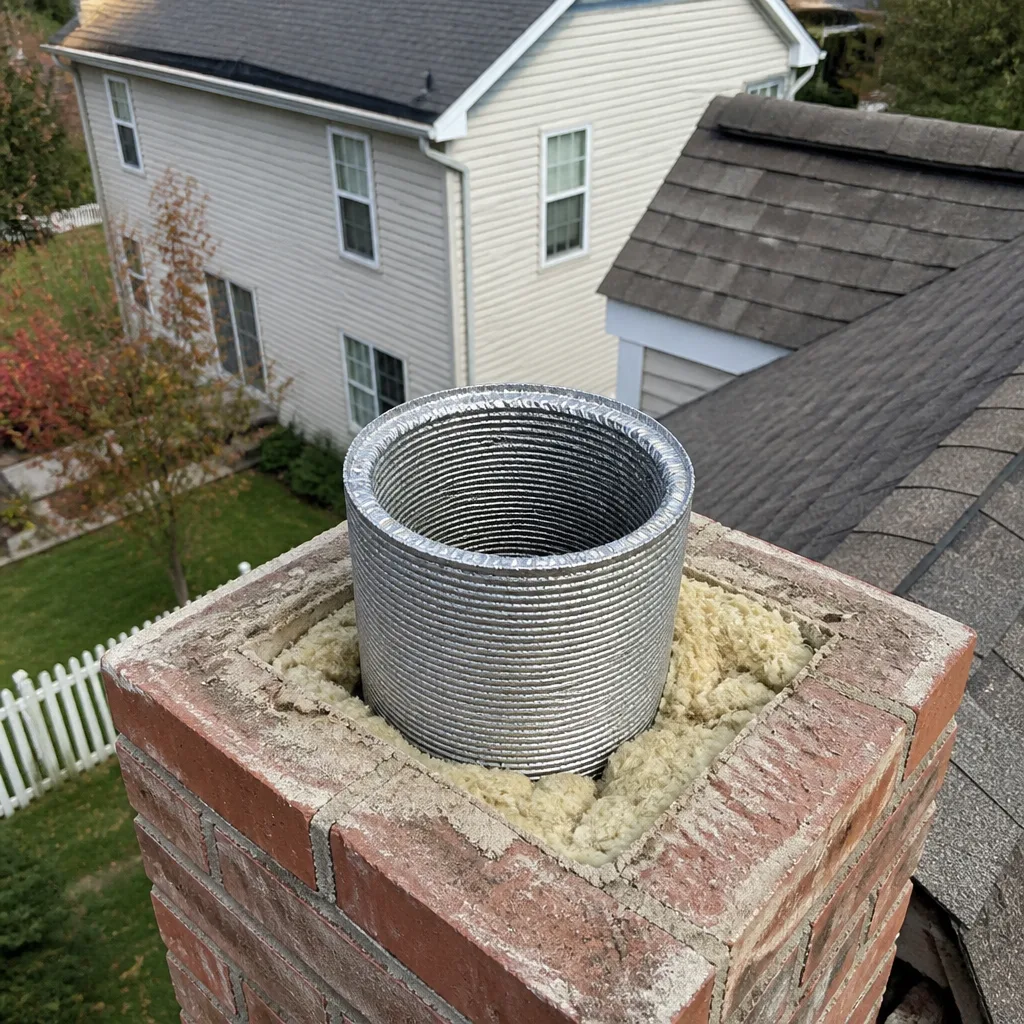 Flue relining
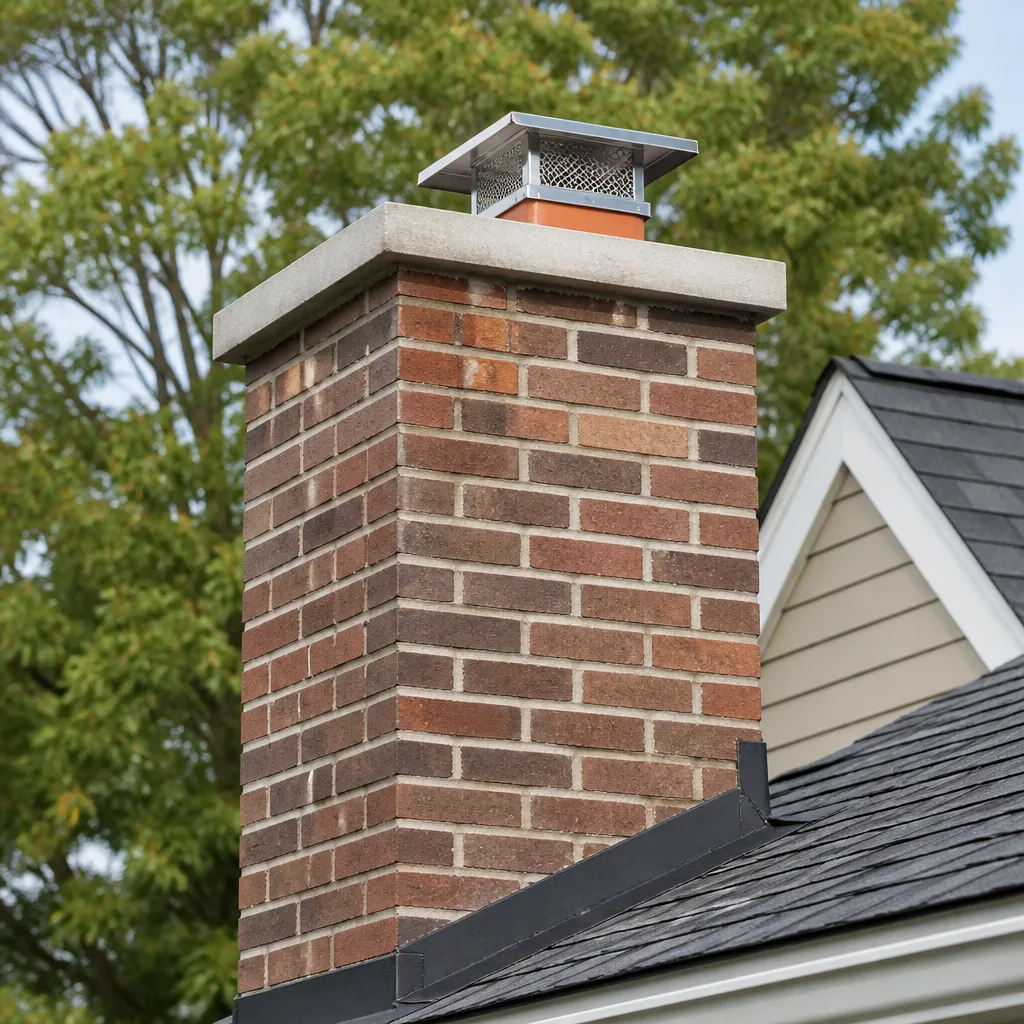 Masonry repair
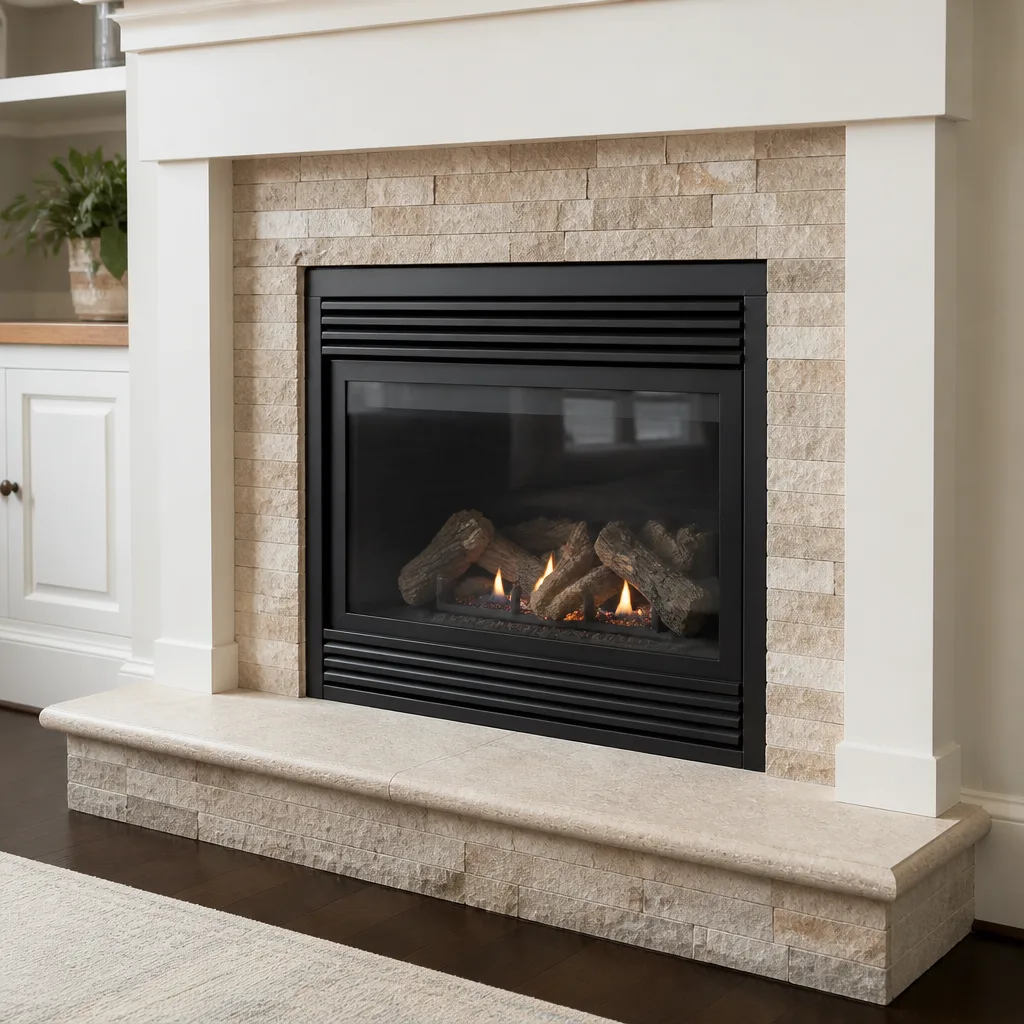 Gas fireplace service
Level 1 sweep and inspection to the NFPA 211 annual standard - flue, crown, cap, and flashing checked and photographed
Chimney sweep logs do not sweep chimneys. They loosen some creosote - which then falls where a brush and vacuum still have to collect it.
Choosing the Right Chimney Cleaning Brand: A Buyer’s Guide for Jackson Heights
Any sweep can carry a brush. The real question is what’s in the bucket, what’s in the sprayer, and whether the person holding it can tell you the published specifications of the product they’re putting inside your flue. Most homeowners shopping for chimney service in Jackson Heights compare vans, logos, and the price on a postcard. The brand decision that actually matters is the one made at the firebox: Poultice Fire Wash for Stage 3 creosote versus a hardware-store degreaser rebranded at a markup, a camera that sees four inches of flue versus one that sees the whole joint. This guide walks you through the product lines, the inspection equipment, and the credential lookup that separate a specialist from a generalist with a ladder.
Quick Answer
The right chimney cleaning brand in Jackson Heights is the one that can name the specific professional-grade products it applies (Rutland, Anti-Creo-Soot, FireGuard, HeatShield Cerfractory Flue Sealant), show you the video inspection system it uses, specify the stainless steel alloy and gauge behind any liner recommendation, and back the whole thing with a verifiable CSIA number and permit history. Brand reputation in this trade is material knowledge plus a paper trail, not a franchise logo on the side of a truck.
Styles & brands we work with
- Sweep & inspection
- Caps & crowns
- Flue relining
- Masonry repair
- Gas fireplace service
Table of Contents
- What products should a chimney professional actually use?
- Why camera quality decides whether a liner defect gets found
- How to evaluate a liner product recommendation
- CrownCoat versus full crown rebuild
- What “brand” means for a local Jackson Heights specialist
- Why older Jackson Heights housing stock changes the conversation
- A step-by-step checklist before you hire
- Common mistakes to avoid
What products should a chimney professional actually use?
A professional sweep works in stages, and each stage has a product line behind it. A generalist tends to improvise. A dedicated chimney specialist applies specified treatments for specified conditions.
Stage 1 and Stage 2 creosote mostly comes off with mechanical action, rods and brushes and a proper vacuum running negative pressure. Stage 3 creosote is the glazed, hardened, tar-like layer that a brush will not touch. That’s where chemistry enters the job, and where you should ask the technician a direct question: what are you applying, and what is its intended use?
Products you’ll hear named by an experienced specialist:
- Rutland – a mainstream brand of creosote conditioners and chimney cleaning products with published formulation guides.
- Anti-Creo-Soot – a liquid chemical sweeping aid applied to break down creosote before and after mechanical brushing; it has a documented application regime, not a spray-and-hope method.
- FireGuard – a soot and creosote treatment used as part of a managed maintenance cycle.
- Poultice Fire Wash – a specialized product for heavier deposits, applied according to a specified dwell time and removal process, not eyeballed.
- HeatShield Cerfractory Flue Sealant – a ceramic repair system applied to the flue interior to seal cracks and extend service life without full relining in suitable cases.
Whether the chemistry is warranted at your address is a diagnostic call, not a default upsell. When we look at a flue, we’re checking the creosote staging, the flue condition, and the appliance’s burn pattern before deciding what’s safe and appropriate to apply. A homeowner in Jackson Heights with a typical older wood-burning fireplace running occasional fires is often a straightforward Stage 1 and 2 sweep with no chemical treatment at all. A homeowner whose flue shows a glazed layer needs the conversation explained, in writing, before any product touches the masonry.
Ask the technician for the product name, the label, and the intended application. A straight answer, or a shrug, tells you a lot about which one is coming down your flue.
Why the product question matters in Jackson Heights
Jackson Heights housing stock includes a lot of pre-war brick and terra cotta flues with decades of accumulated soot, and a general handyman service often doesn’t carry the specialized treatments required for the harder deposits. If a company can’t name what they’re applying, ask whether they’re applying anything at all, or just sweeping and leaving the residue where it lands.
Why camera quality decides whether a liner defect gets found
The camera is the single most consequential piece of equipment a chimney specialist brings to your home, because a liner defect that gets missed becomes a fire or carbon monoxide risk that doesn’t announce itself. The difference between a simple drop camera and a full-rotation video inspection system isn’t gizmo factor; it’s whether the technician can get a clean image of the inside of a flue with an offset, a mortar joint that has spalled, or a section where a previous liner was installed poorly.
What a full-rotation system does that a drop camera can’t:
- Steers around offsets. Chimneys rarely run dead straight. A rotating head can turn into a jog in the flue where a fixed camera just points at a wall.
- Holds focus at distance. High-resolution imaging lets the technician read the surface condition – cracked terra cotta, missing mortar joints, separation between liner sections – rather than a blurry silhouette.
- Records for review. A recorded inspection means you can see the finding, ask a second opinion, and keep the footage.
- Locates the defect relative to the flue. Knowing where the problem is matters as much as knowing it exists, because repair scope depends on location and depth.
In our experience, the difference between finding a hairline crack at a flue tile joint and missing it entirely comes down to lighting and resolution. A camera that can’t render the joint clearly means the technician is guessing. If a company can’t describe its inspection equipment in specific terms, ask to see a sample video before you book. A specialist will have one ready. A generalist will say “drop camera” and move on.
What the recorded inspection should show you
After the sweep, ask for the video or the still frames. You should be able to see the condition of the flue from the top of the appliance connection down to the chimney crown. If the report is verbal, ask for it in writing. A Jackson Heights home with a terra cotta flue and decades of updates should have documentation, not a thumbs-up from the top of a ladder.
For the inspection component specifically, this is also where a standalone chimney repair assessment begins when the footage shows damage. A Chimney Sweep Jackson Heights inspection is meant to produce evidence you can act on, not a sales pitch.
How to evaluate a liner product recommendation
If your inspection turns up a compromised flue, the recommendation that follows is where a lot of homeowners get talked into more than the system needs. The best defense is understanding the three variables on any liner quote: alloy, gauge, and flexibility.
- 304 stainless steel is the standard alloy for wood-burning appliances. It handles typical flue conditions well and is the most common choice in residential relining.
- 316 stainless steel is the higher-alloy option with greater corrosion resistance, used where the flue conditions are harsher – often with certain gas or oil appliance conditions where a professional specifies it.
- Flex vs. rigid – flexible liners follow the bends of an existing chimney; rigid liners work in straight, unobstructed flues and can suit certain appliance setups better.
- Gauge – the wall thickness of the liner. A quote that doesn’t specify gauge is incomplete, because gauge should be matched to the appliance’s burn output and the flue height, not picked off a shelf.
Flexible liner systems from DuraFlex are an industry standard, and a specialist can tell you which gauge and alloy fits your appliance, not just that “we use DuraFlex.” The product name alone isn’t the answer; the specification is. Ask the technician to walk you through the alloy, gauge, and flexibility choice in writing, along with the reason behind each.
The HeatShield question
Before committing to a full reline, ask whether the flue qualifies for HeatShield Cerfractory Flue Sealant. This ceramic repair system, applied properly, rebuilds the interior surface of a damaged masonry flue and extends the life of the chimney without a full liner installation in suitable cases. It’s a specialty product with a specific repair niche; not every flue qualifies, and not every contractor carries it. If your flue has specific joint and surface damage that HeatShield can address, that’s a materially different recommendation from a full reline.
A dedicated chimney specialist, not a generalist add-on, will know which product fits and can show you why. The conversation should be evidence-based, not “you need a liner.” That same reasoning applies to the full chimney repair scope when the footage shows structural concerns, not just the flue interior.
CrownCoat versus full crown rebuild
The crown is the concrete cap at the top of the chimney that sheds water away from the masonry. When it cracks or spalls, water gets into the chimney structure, and the repair conversation splits in two: an elastomeric sealant product such as CrownCoat or similar, versus a full crown reconstruction. The choice tells you something important about how a specialist diagnoses.
An elastomeric crown coating product is appropriate where the crown is intact but has small cracks, minor pitting, or surface wear. It’s a protective coating applied over a sound substrate. A full crown rebuild is appropriate where the crown has lost structural integrity: it’s cracked through and separating from the chimney, it’s pitched wrong, or the underlying masonry has spalled badly enough that a coating won’t bond or hold.
What tells you the recommendation is honest:
- The technician explains what makes your crown a coating candidate versus a rebuild candidate, based on the inspection.
- The scope is itemized. A coating job and a rebuild job are very different in scope, and the quote should reflect exactly what was observed.
- The reasoning is written down and references what the camera or on-roof inspection showed.
A specialist who recommends a coating when a rebuild is needed will be back on the roof sooner than expected. A specialist who insists on a rebuild when a coat would do is charging you for labor you don’t need. Both are worth asking about, and both are caught by demanding the inspection evidence first. That inspection logic also drives cap work – a chimney cap & crown service addresses water intrusion before it becomes a rebuild.
What “brand” means for a local Jackson Heights specialist
Brand isn’t a franchise logo on a van. In this trade, a real brand is a verifiable track record, and it’s checkable in about fifteen minutes before you book an appointment.
- CSIA number lookup. The Chimney Safety Institute of America maintains a public credential directory. Ask for the certification number and confirm it yourself on their site.
- BBB standing. A local business with a real track record has a Better Business Bureau profile, and it’s worth looking at the pattern of complaints, not just the count.
- Permit history. Structural masonry work, and some liner and crown installations, may require a permit depending on your municipality’s rules. Ask whether the company pulls permits where the work requires them. A specialist who won’t pull a permit is a specialist operating outside the paper trail.
- Product lines carried. A real specialist works with professional supply brands. Our material sources include Copperfield and Olympia Chimney, both recognized names in the chimney trade, alongside HeatShield and DuraFlex for the repair and relining side, and Gelco and Famco for venting and accessory components. If a contractor can’t name a single supply brand, that’s a signal.
- Scope of service. A specialist covering sweeping, inspection, caps and crowns, liners, masonry, and fireplace repair is a whole-system operator. One that only sweeps will hand off your liner job to whoever they can call.
Why the lookup matters more in Jackson Heights
Jackson Heights is dense, and chimney work on a shared or semi-attached building brings small complications – access, proximity to neighbors, sometimes shared flue runs. A specialist familiar with the local housing pattern knows how to scope and document the work correctly. That’s a local knowledge question, not a marketing claim.
Because we’re a dedicated chimney specialist rather than an HVAC or roofing add-on, the job is scoped from the firebox to the crown in one visit, and the report reflects the whole system. That’s the standard you should hold every company to in Jackson Heights.
Why older Jackson Heights housing stock changes the conversation
The pre-war brick buildings and older frame houses that make up much of Jackson Heights carry chimneys that were built to standards that have been revised several times since. That doesn’t make them unsafe by default, but it does mean the inspection isn’t a formality.
Two things come up repeatedly in older Jackson Heights homes:
- Terra cotta flue liners with joint deterioration. The cemented joints between clay tiles can crack and spall over decades of heating and cooling cycles. That’s exactly the condition that a HeatShield ceramic repair system can address before a full reline is needed.
- Crowns that have shifted with the building. Older homes shift, and a crown that has settled or cracked loses its water-shedding ability. Water intrusion, not soot, is often the bigger long-term threat to these chimneys. Getting a chimney cap & crown assessment alongside a regular chimney sweep is how you catch it before the masonry needs reconstruction.
Newer construction isn’t automatically in the clear. Factory-built fireplaces and prefab chimneys have their own manufacturer-specific requirements, and a specialist who works with venting brands like Gelco and Famco knows how to service them properly. The point is that the conversation should be tailored to the specific chimney, not a generic script.
A step-by-step checklist before you hire
Use this order when you’re evaluating candidates. It’s the same sequence we recommend to any Jackson Heights homeowner.
- Get the company’s CSIA credential number in writing. Verify it yourself before booking. No number means no verification.
- Ask what inspection equipment they use. A full-rotation video system with recording capability is the standard. Ask to see a sample image.
- Request the product list for cleaning and treatment. Names, not “premium products.” If they apply anything to the flue, they should be able to say what.
- Ask what you’ll have after the sweep. A written report, a recorded video, or still frames – you should not have to rely on a verbal summary.
- When a liner or crown repair is recommended, ask for the specification. Alloy, gauge, flexibility for a liner; coating versus rebuild for a crown; product name for a flue seal.
- Confirm permit handling. If the work requires a permit in your municipality, the company should be pulling it.
- Get the estimate in writing, with the scope itemized. A verbal quote is not an estimate; it’s a number.
Any one of these is a reasonable question. A specialist will answer them all without friction. A generalist will flinch at the fourth or fifth.
Common Mistakes to Avoid
- Judging the company on the sweep price alone. A cheap sweep and a cheap inspection are not the same product. The sweep is the entry point; the inspection is where the real information lives.
- Accepting a liner recommendation without a specified alloy and gauge. “We’ll put in a stainless liner” is not a specification, and the difference between 304 and 316 alloy or between gauges is a real engineering choice.
- Skipping the camera evidence. If a technician wants to sell a repair but won’t show you the recorded footage, ask for the recording before you agree to anything. A specialist will show you; a generalist may not have it.
- Not asking about permits. In Jackson Heights and the surrounding neighborhoods, work that involves structural changes to the chimney may require a permit. Ask who’s pulling it before the work starts.
- Letting a general handyman touch the flue. Chimney work involves high temperatures, carbon monoxide risk, and specialized materials. It’s not a handyman job, and a specialist knows what to look for.
- Ignoring the crown because the flue looks fine. Water intrusion from a cracked crown is one of the most common causes of long-term chimney damage, and it doesn’t show up in a cursory sweep.
- Trusting a brand name without a verification. A product name on a quote is the start of the question, not the end of it. Ask what’s being applied and why.
See the difference
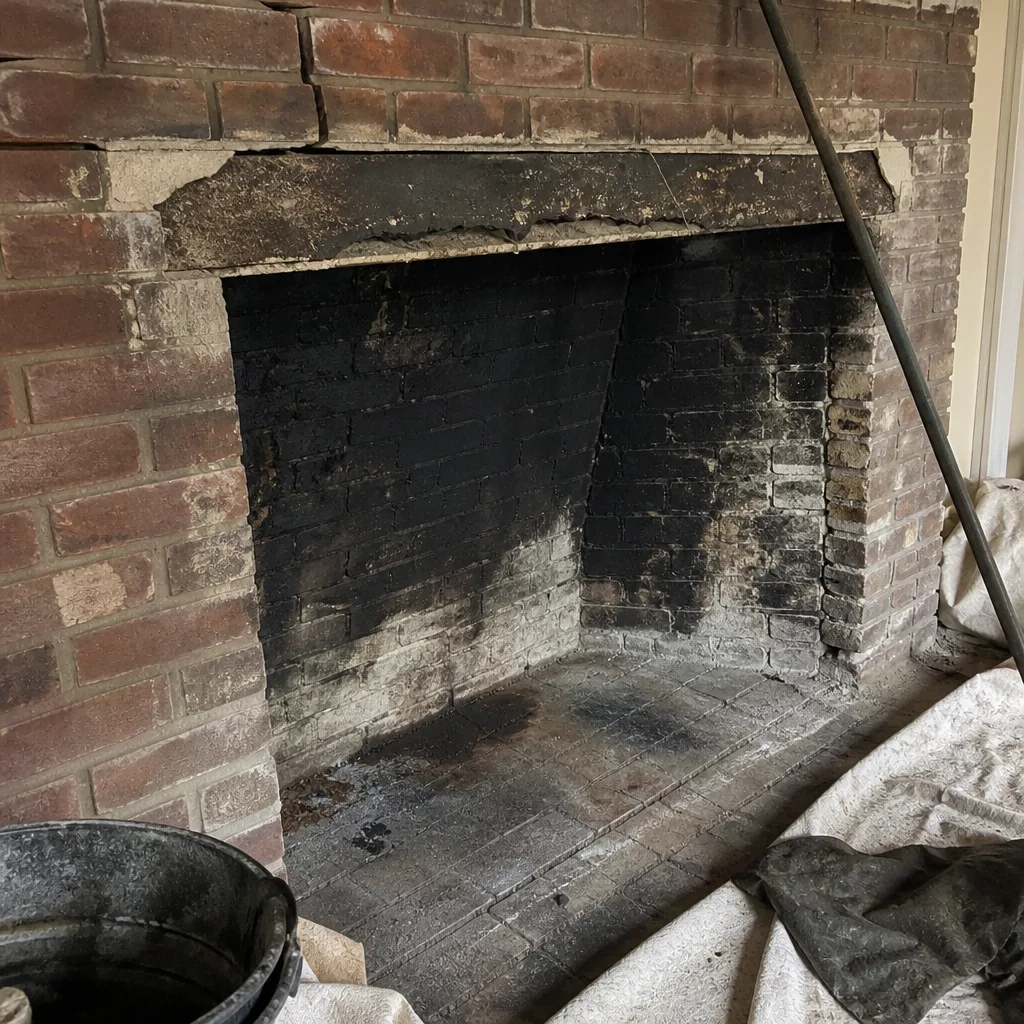 Before
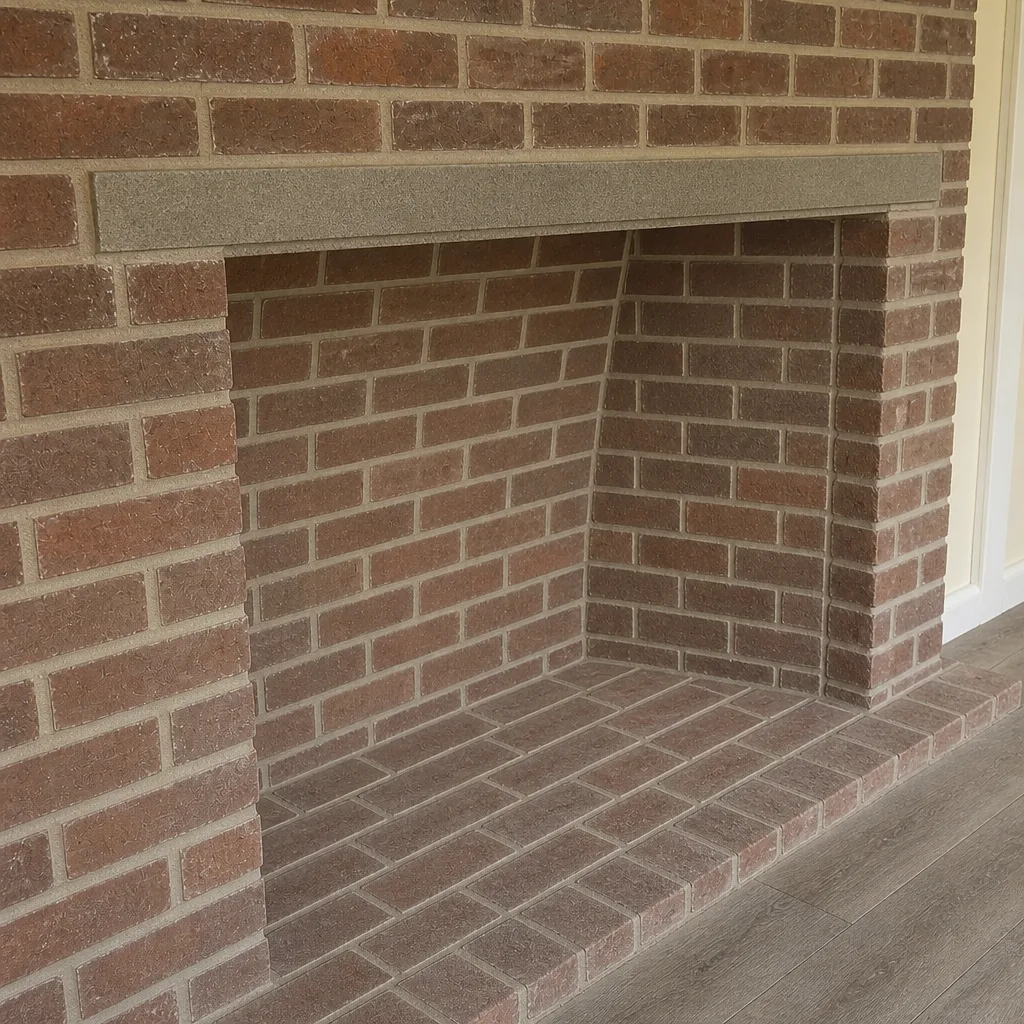 After
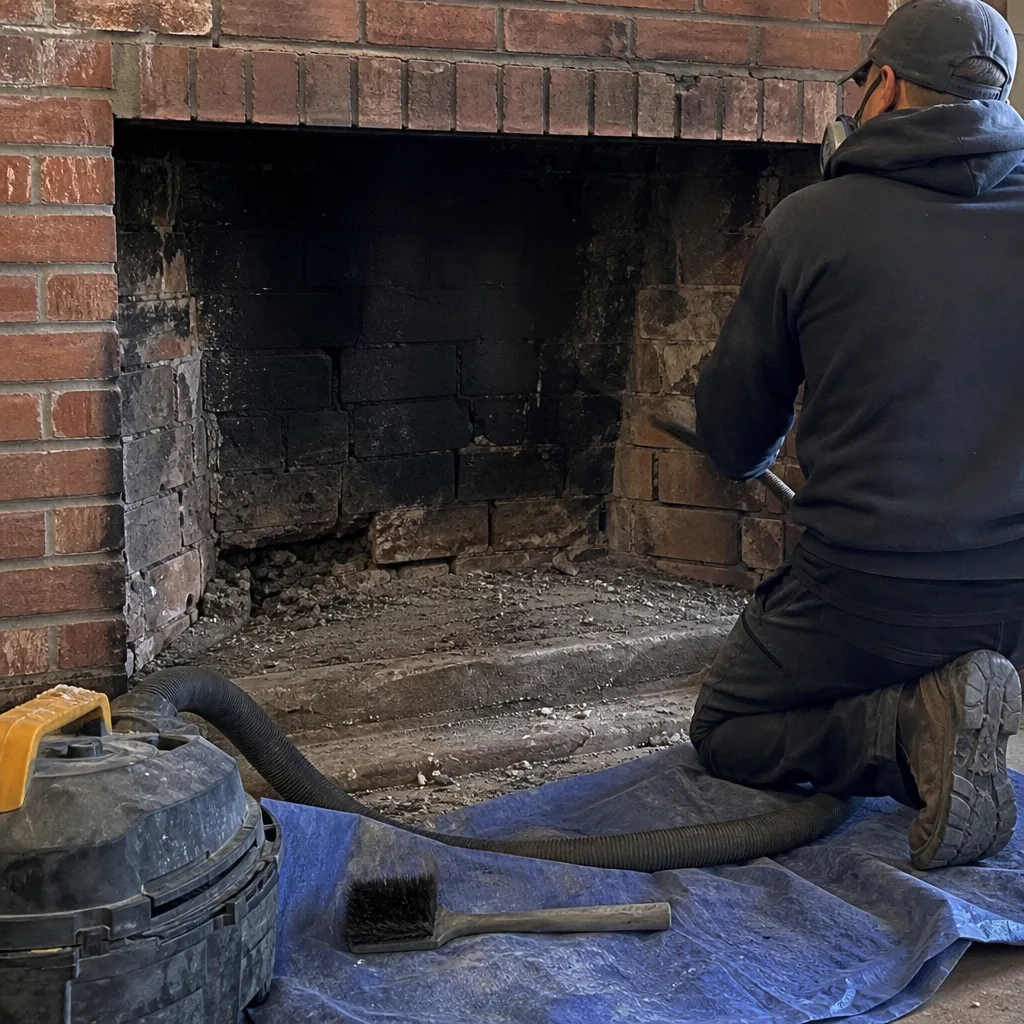 Before
 After
 Before
 After
When to Call a Professional
Call a specialist when the firebox has visible creosote buildup, when the flue has never been inspected, when there’s a smell in the room after a fire, or when a chimney cap or crown needs assessment. Call if you’ve had a chimney fire, even a small one – the damage may not be visible from the outside. Call if the home is older and you don’t have a current inspection on record. Call if the previous owner left no documentation. And call if you’ve never had the flue looked at and you burn regularly; the inspection is the starting point, and everything else follows from it. Chimney Sweep Jackson Heights offers free estimates in Jackson Heights – call (866) 937-7175. We answer 24/7. Fast dispatch from 7am to 7pm, Sunday through Friday.
Frequently Asked Questions
The price depends on the flue condition, the appliance type, and whether chemical treatment is needed. Prices are per job by written estimate, not a flat figure, and the estimate is free. Call (866) 937-7175 for an exact quote – estimates are free.
Not always. A full liner replacement is warranted only when the flue interior has a condition that cannot be repaired – and HeatShield Cerfractory Flue Sealant can address some flue deterioration without a full reline. The decision should be made from recorded inspection footage, not a verbal assessment. Call (866) 937-7175 for an exact quote – estimates are free.
Most homes that burn regularly benefit from an annual inspection and a sweep when the buildup warrants it. The frequency depends on how much you burn, the wood quality, and the appliance. A specialist will tell you the interval from the inspection, not a generic calendar. Call (866) 937-7175 for an exact quote – estimates are free.
Creosote builds up over time, and at higher accumulation levels the fire risk rises. A missed liner defect also creates a carbon monoxide pathway into the home. Skipping the inspection doesn’t cancel these risks; it removes the information you’d need to address them. Call (866) 937-7175 for an exact quote – estimates are free.
Look for a specialist who names specific professional lines: DuraFlex for flexible liners, HeatShield for ceramic flue repair, Copperfield and Olympia Chimney for professional materials, and Gelco and Famco for venting and accessories. Our technicians have up to 10 years of experience and work with those product lines daily. If a company can’t name a single supply brand, that’s worth noting. Call (866) 937-7175 for an exact quote – estimates are free.
It’s best if you are, so the technician can show you the recorded footage and walk you through the crown and cap assessment at the same time. If you can’t be there, ask for the written report and the video to be delivered afterward. Call (866) 937-7175 for an exact quote – estimates are free.
The Bottom Line
The brand decision that determines whether your chimney gets the right work is made at the product level, not the marketing level. Ask what’s being applied, what’s being installed, and what’s being verified. A specialist who works with HeatShield, DuraFlex, Copperfield, and Olympia Chimney can walk you through the specification of every product going into your flue. A generalist will promise you a good sweep and hand off the liner work. Verify the CSIA credential, ask for the camera recording, ask about permits, and get the estimate in writing. That process, applied to any company, will find the right one for your Jackson Heights home. For a system that needs a full scope – sweep, inspection, cap and crown, liner, masonry, or fireplace – call (866) 937-7175. We answer 24/7. Fast dispatch from 7am to 7pm, Sunday through Friday. Estimates are free, and the written estimate sets the final price.
Written by the team at Chimney Sweep Jackson Heights.