
Last updated November 22, 2026
 Sweep & inspection
 Caps & crowns
 Flue relining
 Masonry repair
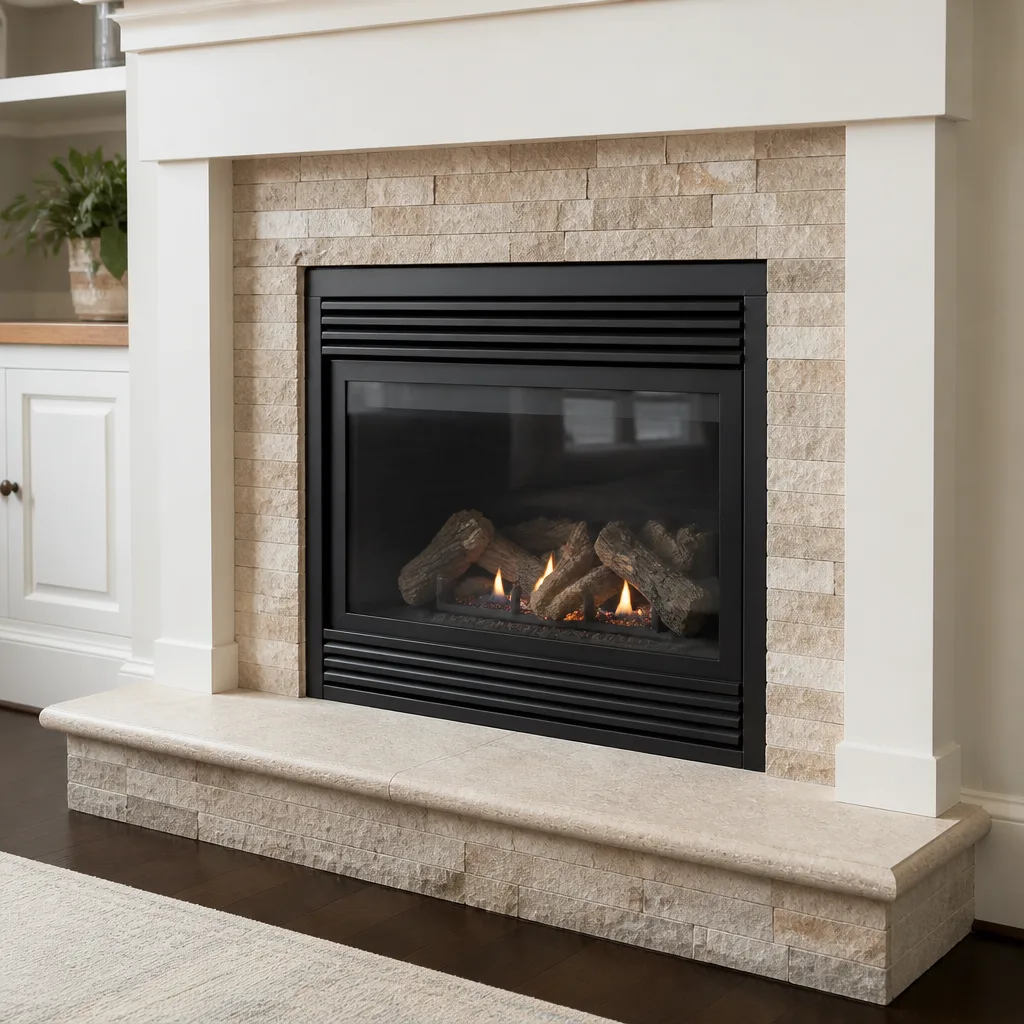 Gas fireplace service
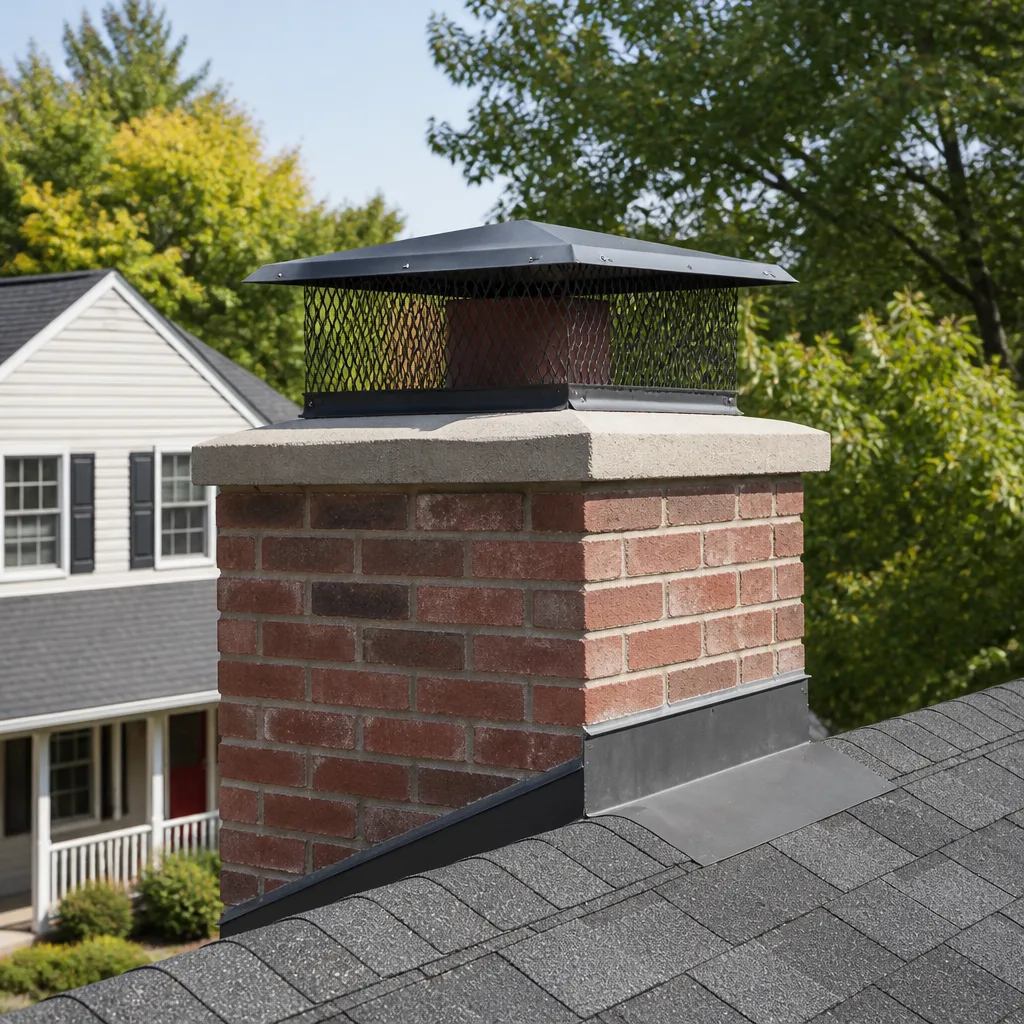
Level 1 sweep and inspection to the NFPA 211 annual standard - flue, crown, cap, and flashing checked and photographed
Chimney sweep logs do not sweep chimneys. They loosen some creosote - which then falls where a brush and vacuum still have to collect it.
Chimney Sweep Maintenance Schedule: What to Do and When
NFPA 211 tells you to have your chimney inspected “at least once a year.” That number gets repeated everywhere, and it’s a floor, not a plan. A homeowner who lights a gas insert a few times in December and a homeowner burning two cords of wood every winter are both technically “inspected once a year” and both technically compliant, yet their chimneys are in completely different condition. In our experience, the heaviest creosote loads show up in the homes that followed the annual rule to the letter during a cold season of steady burning. This guide builds a maintenance schedule around how you actually use your chimney, not the calendar, with notes on what matters in Jackson Heights specifically.
Quick Answer
Schedule a professional inspection once a year, and book a sweep whenever your usage reaches the next tier: light gas use gets an annual inspection with a sweep only when the technician finds residue or debris, moderate wood burning (around one cord a season) needs a sweep at least annually, and heavy wood burning (two cords or more) usually needs an inspection and sweep twice a season, once before the first fire and once mid-winter. Any chimney fire, storm event, or appliance change moves the next inspection to immediately, regardless of where you are in the cycle.
Styles & brands we work with
- Sweep & inspection
- Caps & crowns
- Flue relining
- Masonry repair
- Gas fireplace service
Table of Contents
- Why the annual rule isn’t enough
- The three usage tiers and their schedules
- Seasonal tasks vs. post-event tasks
- Why gas fireplace flues still need annual inspection
- What a Level 2 inspection covers and when to book one
- The Jackson Heights fall prep checklist
- What actually happens during a sweep
- How to build your own schedule
Why the annual rule isn’t enough
The annual inspection standard exists because it’s simple enough for everyone to follow. It’s a baseline, and it assumes a typical household with a typical burning habit. Most homes aren’t typical. A family that burns wood as supplemental heat from November through March accumulates creosote far faster than a household that builds a fire on holiday evenings. The standard can’t distinguish between them.
Creosote is the reason the schedule matters. It builds in three forms, and the difference between them is the difference between a routine sweep and a serious problem:
- First-degree creosote is light soot and flaky deposits. It’s what a chimney brush handles in a normal sweep.
- Second-degree creosote is denser, tar-like, and can cling to the flue wall in patches. It takes more work and, in some cases, chemical treatment to remove.
- Third-degree creosote is glazed and hardened. It’s flammable, and it’s the form most associated with chimney fires. It can require professional removal methods beyond brushing.
The faster you burn, the faster you move down that list. A homeowner in Jackson Heights burning two cords of seasoned hardwood over a cold winter is accumulating deposits much more rapidly than a homeowner using a gas log set now and then. Ignoring that difference is what makes the annual rule dangerous when it’s treated as the whole plan.
The three usage tiers and their schedules
Think of your chimney maintenance in three tiers, and find the one that matches your actual habits. If your habits change, your tier changes.
Tier 1: Light gas use
This is a gas fireplace or gas insert used a few evenings a month, or seasonally for atmosphere. There’s no wood, so there’s no creosote in the traditional sense. What there is: moisture, and in some systems, sulfur byproducts from the gas itself. These can corrode a liner slowly, quietly, without visible residue on the firebox walls. The schedule here is an annual inspection, with a sweep only when the technician finds debris, bird nests, or residue that needs clearing. An annual inspection is the non-negotiable piece, even though the firebox looks clean.
Tier 2: Moderate wood burning
Roughly one cord of wood per season, burned in a wood stove or open fireplace. This is the classic household that lights fires most evenings from late fall through early spring. The schedule is a professional sweep and inspection once a year, ideally before the burning season starts, so you’re not carrying last year’s deposits into this year’s fires.
Tier 3: Heavy wood burning
Two cords or more per season, or any household using wood as a primary or serious supplemental heat source. This is where the annual rule gets people into trouble. In our experience, a heavy burner benefits from a sweep before the first fire of the season and a second inspection at mid-winter, because deposits can build to a problematic level within a single cold stretch. If you’re burning continuously through January and February, don’t wait until the following fall to check.
If you’re not sure which tier you fall into, count your cords or estimate your fire frequency honestly, then book a chimney sweep and ask the technician to assess the buildup. They can tell you what your actual burn rate is doing to your flue.
Seasonal tasks vs. post-event tasks
Not every maintenance task belongs on a calendar. Some are triggered by the season, and some are triggered by an event. Mixing them up is how homeowners miss the urgent ones.
Seasonal tasks (calendar-driven)
- Pre-season inspection and sweep – before the first fire of the year, whenever that is for you.
- Cap and crown inspection – before the freeze-thaw cycles of late fall and winter, when small cracks in masonry widen.
- Damper and seal check – part of the pre-season routine; a warped or degraded damper seal lets heated air escape and cold air in.
- Mid-winter check for heavy burners – a second look at the flue partway through the season.
Post-event tasks (triggered, not scheduled)
- After any chimney fire, even a small one you think you contained. A fire can damage the flue lining in ways that aren’t visible from the firebox.
- After a storm that brought high wind or falling debris. Caps and crowns take the hit first.
- After any appliance change – a new insert, a new stove, a conversion from wood to gas, or a new furnace venting into the same flue.
- After a home purchase, before you light the first fire.
- After any sign of water intrusion – staining on the ceiling near the chimney, rust in the firebox, or a musty smell.
The post-event list is the one people skip. They see it as a “if something goes wrong” list rather than a maintenance list. But a chimney fire or a storm is exactly the moment the schedule should reset to zero and a fresh inspection should be booked.
Why gas fireplace flues still need annual inspection
Gas fireplaces don’t produce creosote, so it’s easy to assume they don’t need attention. That assumption is what makes gas flues worth writing about separately. The failure mode is different, not absent.
A gas appliance produces water vapor as a byproduct of combustion. That moisture travels up the flue and can condense on the liner walls, especially in a flue that’s oversized for the appliance or runs through a cold exterior chase. In Jackson Heights, where winters are cold and chimneys on older homes often run up the outside of the building, that condensation is a real concern. Over time, moisture combined with the mild acidic compounds in flue gas can corrode a metal liner from the inside out. You won’t see it from the firebox.
There’s also the sulfur question. Natural gas and propane carry trace sulfur compounds, and when they burn, those compounds produce small amounts of sulfur byproducts that interact with moisture in the flue. The result is a slow corrosive process distinct from wood creosote. A wood-burning chimney tells you it needs attention with visible buildup. A gas flue often doesn’t.
That’s why the annual inspection applies to gas as much as to wood. The inspection is where a technician checks the liner for corrosion, the venting connections for security, and the termination for blockages. If you’ve got a gas insert in a Jackson Heights apartment or townhouse and you’ve never had it inspected, the schedule is overdue. A Chimney Sweep Jackson Heights inspection covers this, and it’s bookable as a standalone service.
What a Level 2 inspection covers and when to book one
NFPA 211 defines three levels of chimney inspection, and most homeowners only ever encounter the first one. Level 1 is the standard inspection that comes with a routine sweep: a visual check of the accessible portions of the chimney, firebox, and venting. Level 2 goes further.
What Level 2 adds
- Video scanning of the flue interior, so the technician can see the full length of the liner rather than just the reachable sections.
- Access to concealed areas – attic spaces, crawl spaces, and other spots where the chimney passes through the building but isn’t visible from the room.
- Assessment of the liner’s condition along its entire run, including joints and connections that a Level 1 inspection can’t reach.
- A check of connected appliances and their venting, which matters when more than one appliance shares a flue.
When to book a Level 2
- When you buy a home. You don’t know the burning history, and a Level 2 tells you what you’re inheriting.
- After a chimney fire. Even a small one can crack a liner, and the damage isn’t visible without a camera.
- After a storm or seismic event. The flue can shift or crack in ways that only a scan reveals.
- After any appliance change. A new insert or a fuel conversion changes what the flue is venting and how it’s sized.
- When a Level 1 finds something concerning that needs a closer look.
If any of those apply, ask for a Level 2 when you book. Our technicians have up to 10 years of experience reading flue scans and can tell you what they find and what it means for your next steps.
The Jackson Heights fall prep checklist
Jackson Heights sits in a climate with real freeze-thaw cycles, cold winters, and older housing stock where the chimney was often built before modern liner standards. That combination makes fall prep the most important maintenance window of the year. Here’s what to work through before the first fire:
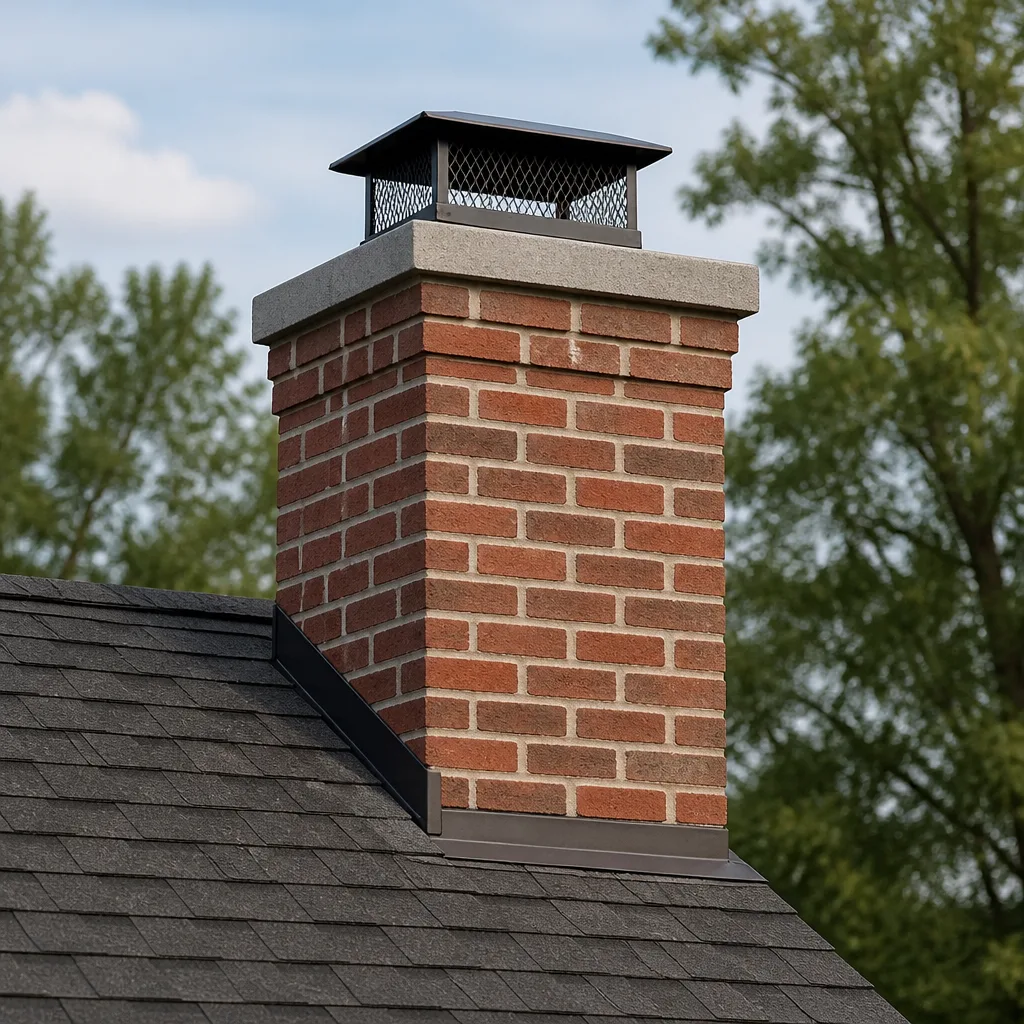
- Inspect the crown for cracking. The concrete crown at the top of the chimney takes the weather. Freeze-thaw cycles widen hairline cracks into real openings, and water gets in. If the crown is cracked or crumbling, that’s a repair to address before winter, not after.
- Check the cap and its screen. A cap keeps rain, birds, and debris out of the flue. The screen can corrode or tear, and a damaged screen lets animals in. A cap and crown in good shape is the single best defense against water intrusion and the damage it causes.
- Test the damper seal. A damper that doesn’t close fully lets heated air escape up the flue and cold air down. The seal can degrade with age, and a simple check tells you whether it’s time for service.
- Look for signs of water intrusion. Staining on the chimney breast, rust in the firebox, or a musty smell near the hearth all point to water getting past the crown or flashing. Catching it in fall is far better than finding it in spring.
- Book the sweep and inspection. Do this before the burning season, not after. A pre-season sweep clears last winter’s deposits and gives you a clean baseline for this winter.
The chimney cap & crown service is where most of this checklist resolves. If the crown needs repair or the cap needs replacing, it’s a job to do while the weather is still workable. The freeze-thaw cycle is what turns small cracks into expensive problems.
What actually happens during a sweep
A professional sweep is not just running a brush up the flue. Here’s the general sequence, so you know what to expect when a technician arrives:
- Setup and protection. Drop cloths and a vacuum system protect the floor and furnishings. The technician seals the firebox opening so dust stays contained.
- Removal of deposits. Brushes sized to the flue clear soot and creosote from the liner walls. The type of brush and method depends on the creosote form found.
- A visual inspection. Once the flue is clear, the technician checks the firebox, damper, smoke chamber, and accessible portions of the liner for damage or wear.
- A report on what was found. This is where you learn whether there’s a repair to address and whether the schedule should change based on what the flue showed.
- Cleanup. The debris goes out with the technician. The room should look the way it did before.
A sweep doesn’t fix a cracked liner or a damaged crown, but it tells you whether one exists. That’s the point of pairing a sweep with an inspection.
How to build your own schedule
Here’s the practical version. Work through this once, then put the dates on your calendar and adjust as your habits change.
- Identify your tier. Count your cords or estimate your fire frequency. Light gas use, moderate wood (around one cord), or heavy wood (two cords or more).
- Set your annual inspection date. Before the first fire of the season for most households. For heavy burners, set a second date at mid-winter.
- Add the pre-season cap and crown check. Early fall, before the freeze-thaw cycle begins.
- Add the damper and seal check. Same visit as the pre-season inspection.
- Note the post-event triggers. Any chimney fire, storm, appliance change, or home purchase resets the clock. Book a Level 2 in those cases.
- Review it annually. If your usage changed, your schedule should change with it.
If a chimney repair comes up during an inspection, the schedule doesn’t pause. The repair gets done, and the next inspection resets. That’s the whole point of a schedule: you know when the next check is, and you know what triggers an early one.
Common Mistakes to Avoid
- Treating “once a year” as the whole plan. It’s the floor, not the ceiling. Heavy burners and households that changed their habits need more frequent attention, and the annual standard doesn’t account for that.
- Skipping the sweep after a cold winter. The heaviest deposits accumulate during the season when the chimney is in constant use. Waiting until fall to clear them means carrying the load through the off-months, where it continues to sit against the flue walls.
- Assuming a gas fireplace needs no inspection. It produces less visible residue, but moisture and sulfur byproducts can corrode a liner quietly. An annual inspection is how you find that out before it becomes a reline.
- Skipping the cap and crown check before winter. In Jackson Heights, freeze-thaw cycles are what turn small crown cracks into real water intrusion. Checking in fall is what prevents spring surprises.
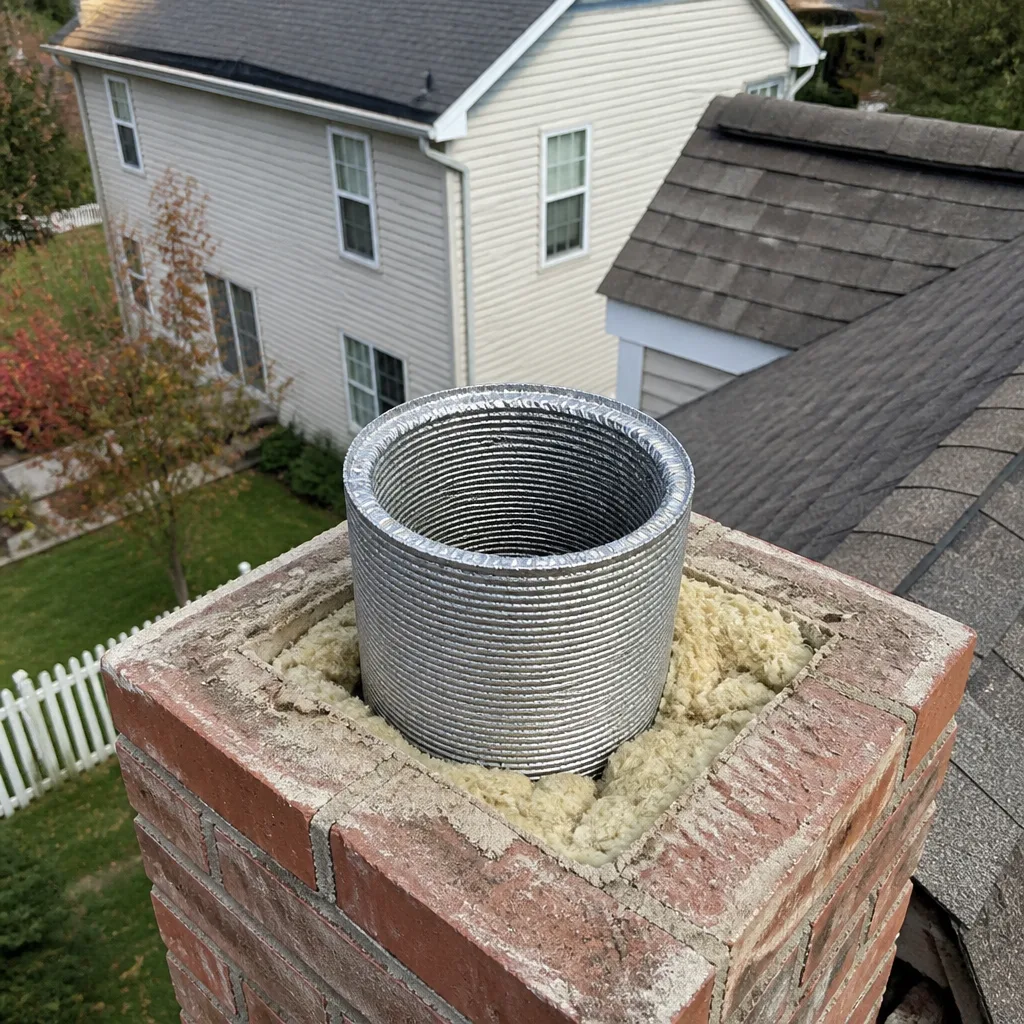
- Going straight to replacement when HeatShield would work. HeatShield is a ceramic flue repair system that can restore a damaged liner without a full reline in the right conditions. It’s not a solution for every liner, but it’s worth asking about before assuming replacement is the only option.
- Ignoring the post-event list. A chimney fire or storm resets the schedule. If you had one, book a Level 2 before the next fire, not at the next scheduled inspection.
- Skipping the sweep because the firebox looks clean. The creosote that matters collects on the flue walls, not the firebox floor. What you can see from the hearth tells you very little about what’s up the flue.
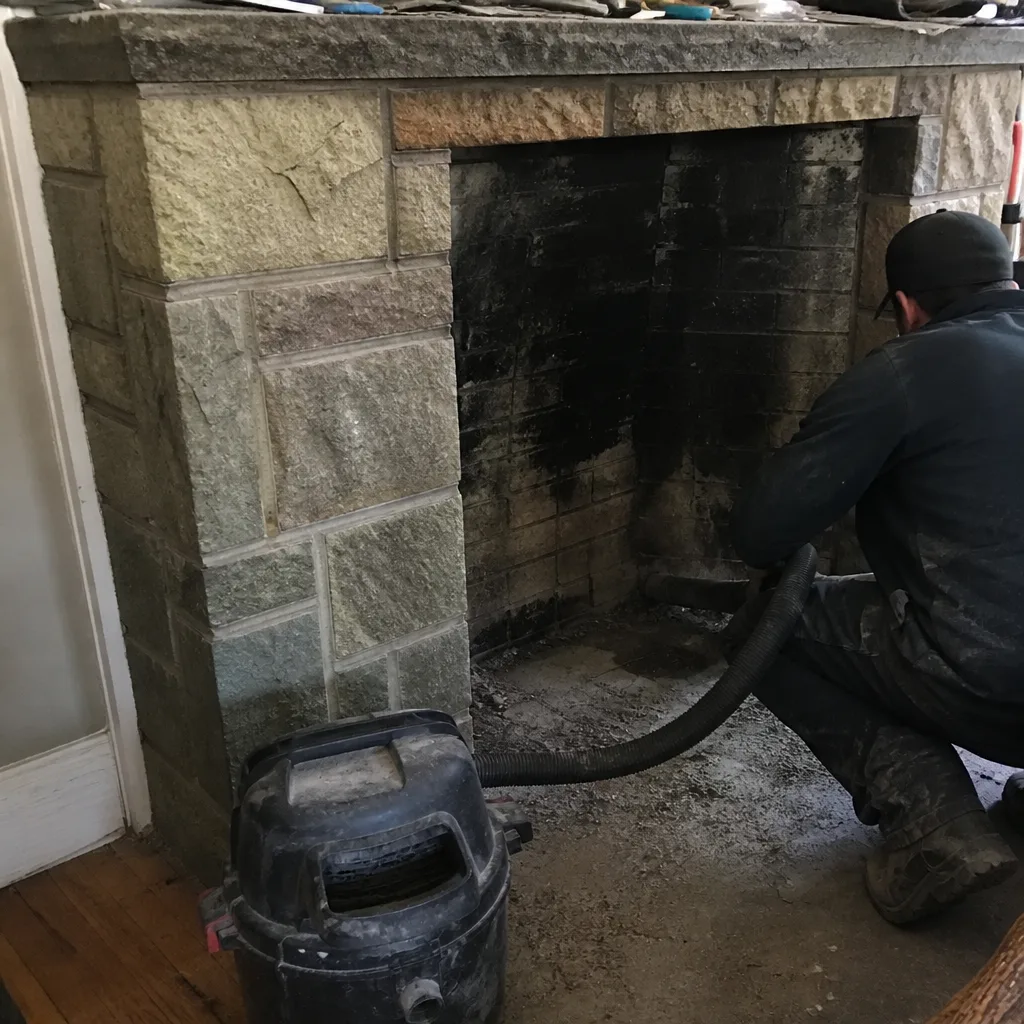
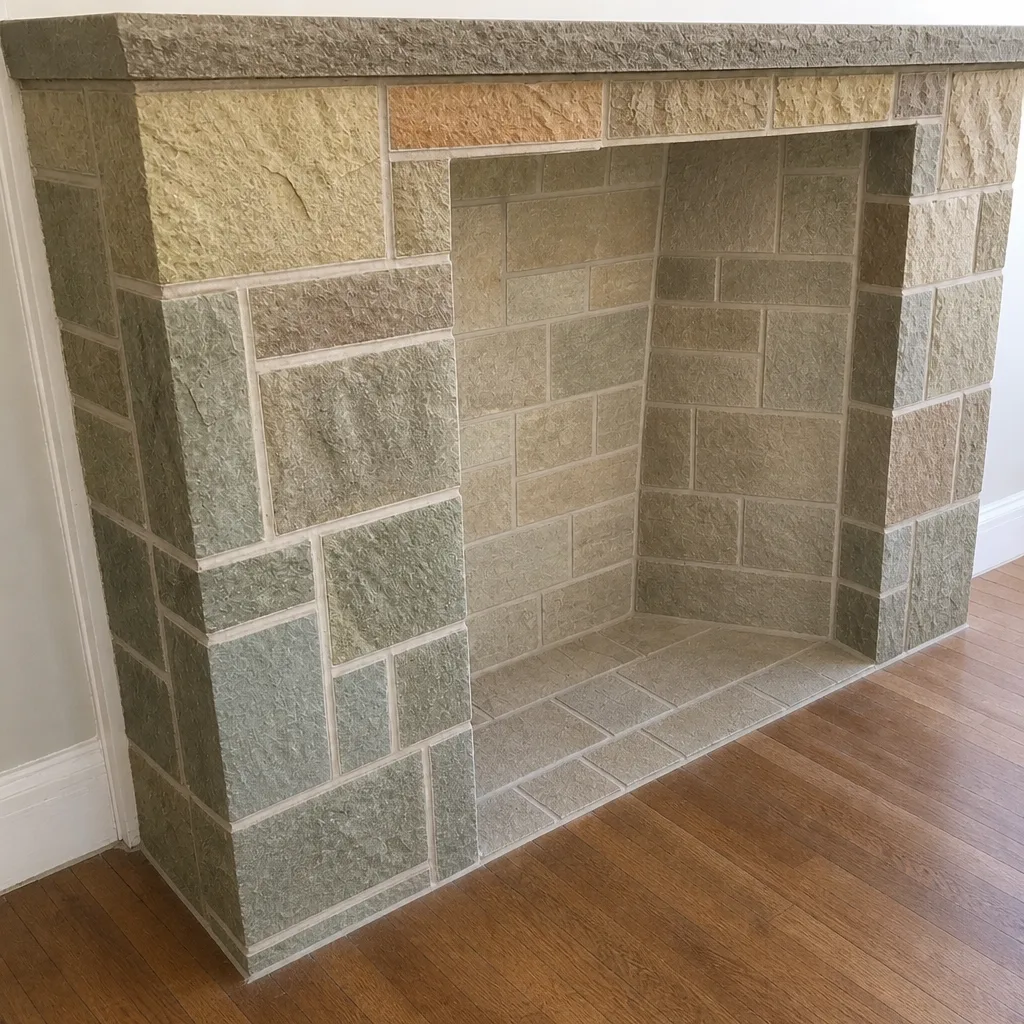
See the difference
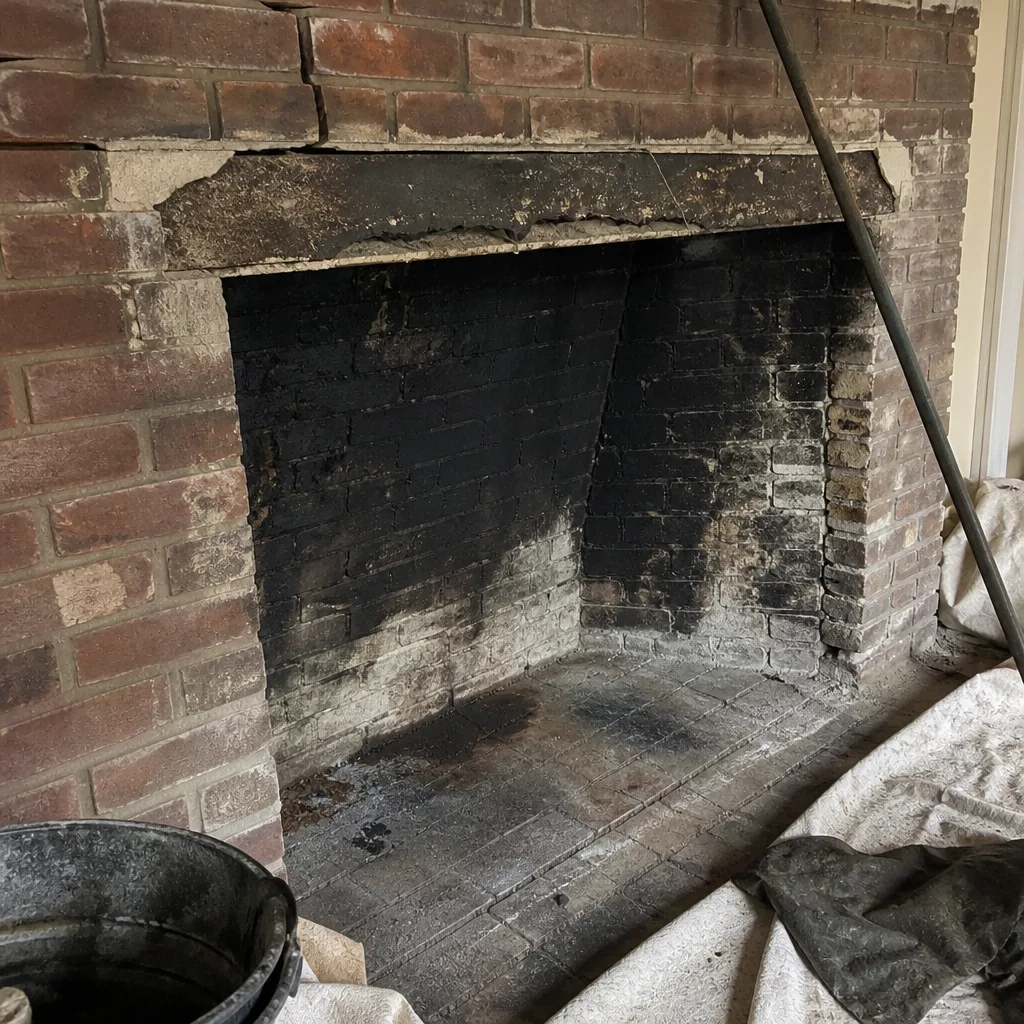 Before
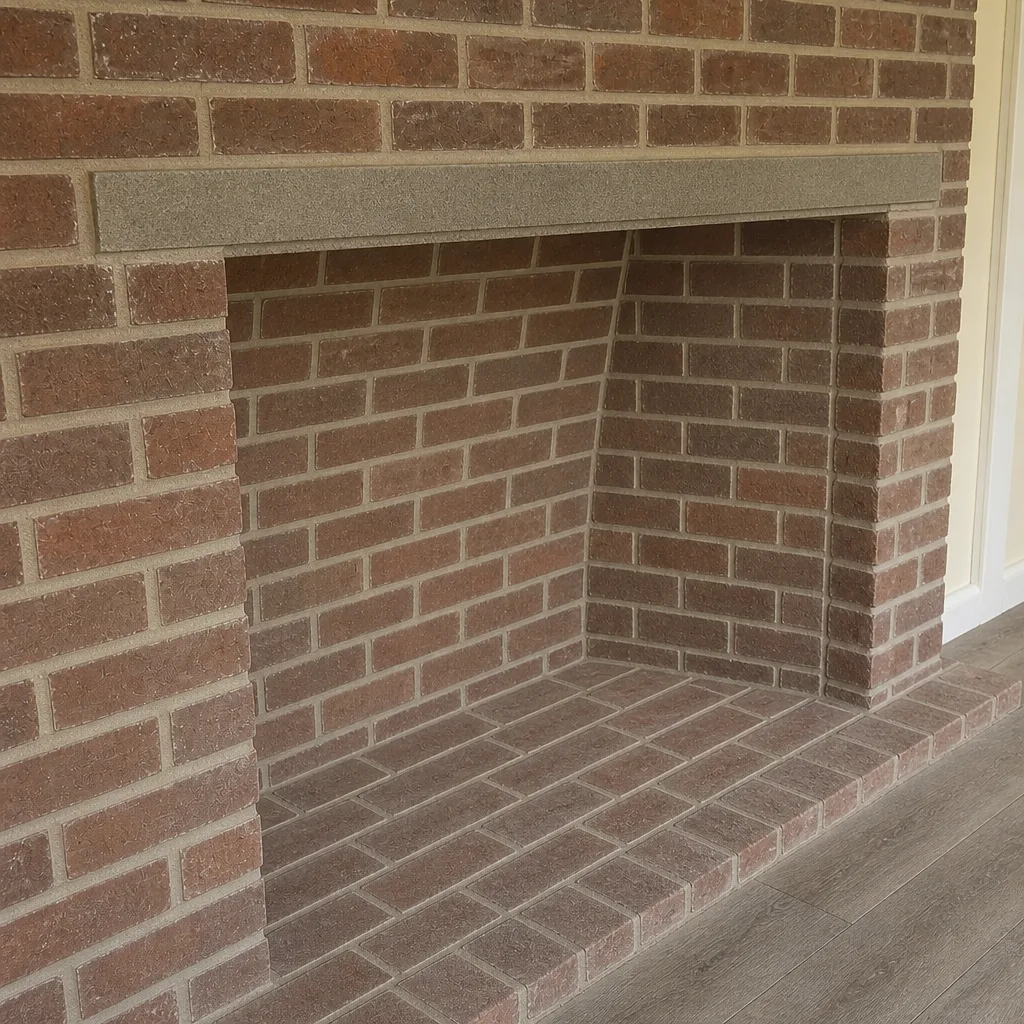 After
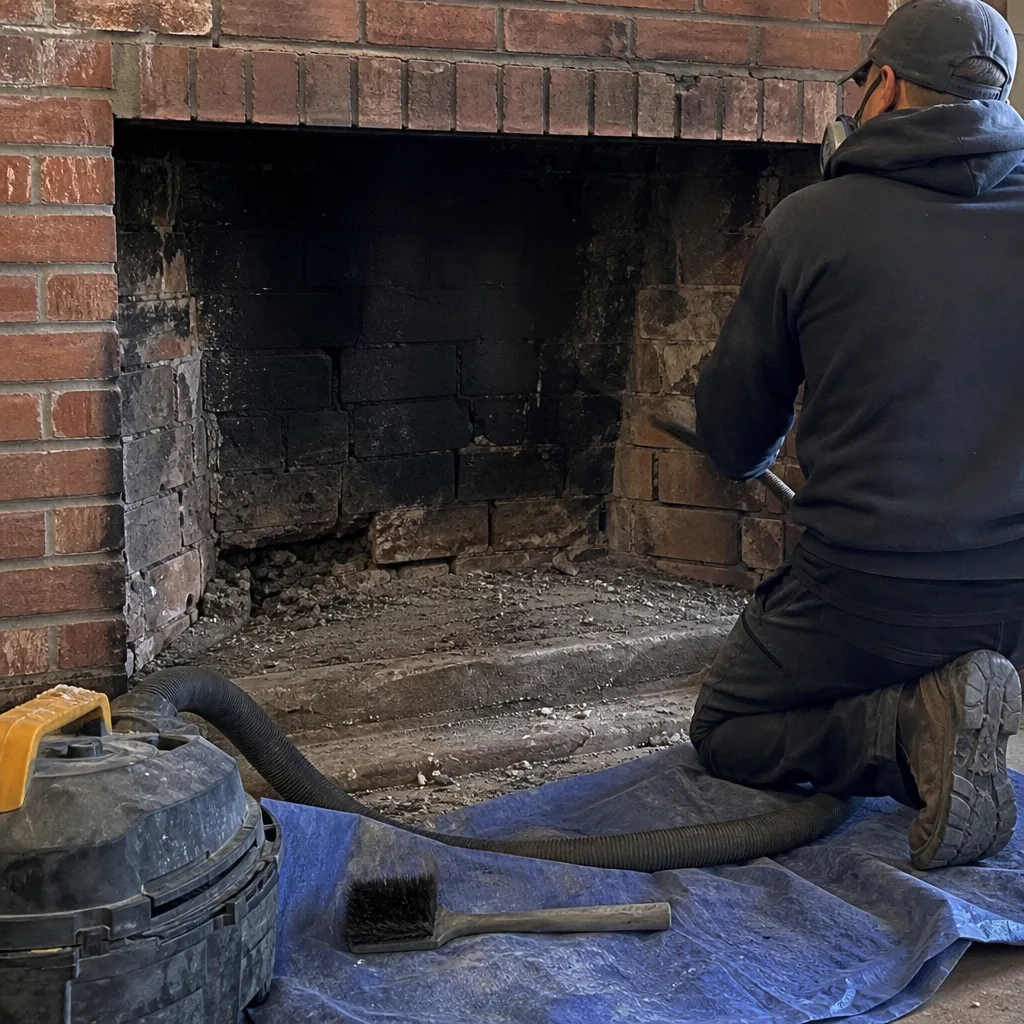 Before
 After
 Before
 After
When to Call a Professional
Call a professional when you’ve had a chimney fire, when you see signs of water intrusion near the chimney, when your cap or crown is damaged, or when you’re buying a home and don’t know the flue’s history. Book a sweep when you reach the next usage tier, and book a Level 2 when an appliance changes or a storm moves through. Any of these situations warrants a call to a dedicated chimney specialist rather than a generalist. The whole system matters, from the firebox to the crown, and a generalist may not have the materials knowledge for a proper repair. Chimney Sweep Jackson Heights offers free estimates in Jackson Heights. Call (866) 937-7175. We answer 24/7. Fast dispatch from 7am to 7pm, Sunday through Friday.
Frequently Asked Questions
At least once a year for moderate use of around one cord of wood, and twice a season for heavy use of two cords or more, with one sweep before the season and one at mid-winter. The annual rule is a minimum; your actual burning frequency sets the real schedule. If you’re unsure of your tier, call (866) 937-7175 for a free estimate on a sweep and inspection.
Yes. Gas fireplaces produce less visible residue, but moisture and sulfur byproducts can corrode a liner without leaving obvious signs on the firebox. An annual inspection is how that corrosion gets caught before it becomes a reline. Call (866) 937-7175 to book one.
A sweep removes deposits from the flue; a Level 2 inspection adds video scanning of the full flue interior and access to concealed areas. Book a Level 2 when you buy a home, after any chimney fire, after a storm, or after an appliance change. Call (866) 937-7175 for an exact quote.
In the right conditions, yes. HeatShield is a ceramic repair system that restores a damaged liner from the inside, and it can extend the chimney’s life without a full reliner replacement. It’s not appropriate for every liner, so the technician has to assess the flue first. Call (866) 937-7175 to find out if your liner qualifies.
Yes. The cap and crown are the first line of defense against rain, animals, and debris, and in Jackson Heights the freeze-thaw cycles of late fall and winter widen any small crown crack into a real opening. Fall is the time to check both. Call (866) 937-7175 for a free estimate on cap and crown work.
You lose the ability to catch a cracked liner, a failing crown, or heavy creosote buildup before it becomes a repair. The inspection is cheap compared to the damage it prevents, and the schedule exists to keep it on the calendar. Call (866) 937-7175 to book your next one.
The Bottom Line
A maintenance schedule built around the annual standard alone misses the households that need more frequent attention. Build your schedule around your actual usage tier: light gas use gets an annual inspection, moderate wood gets an annual sweep and inspection, and heavy wood gets two visits per season. Add the pre-season cap, crown, and damper checks, and reset the clock after any chimney fire, storm, appliance change, or home purchase with a Level 2 inspection. The materials matter too, from HeatShield ceramic repair to DuraFlex flexible liners and parts sourced from Copperfield and Olympia Chimney. A schedule you actually follow is what keeps the whole system, from the firebox to the crown, in working order.
To put this schedule on the calendar, call (866) 937-7175 for a free estimate. We answer 24/7. Fast dispatch from 7am to 7pm, Sunday through Friday, closed Saturday.
Written by the team at Chimney Sweep Jackson Heights.