
Last updated November 22, 2026
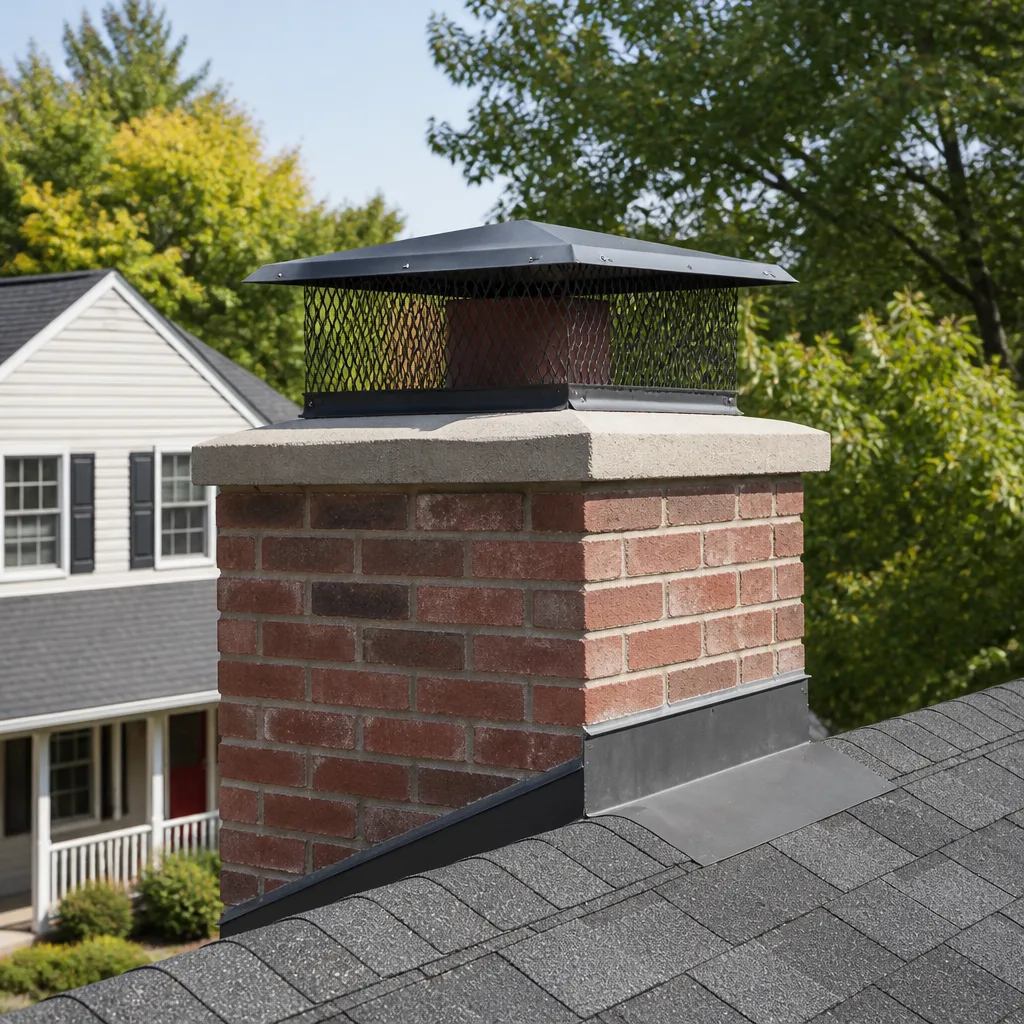 Sweep & inspection
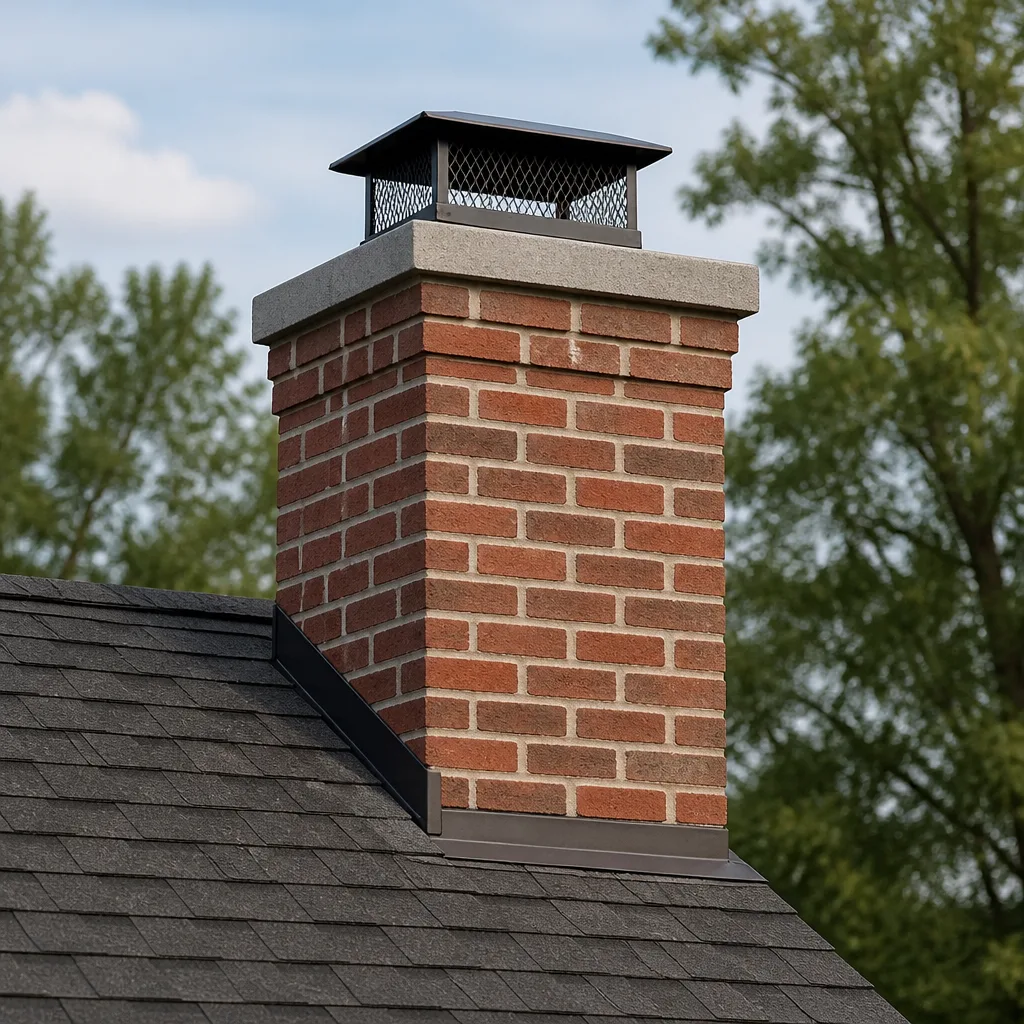 Caps & crowns
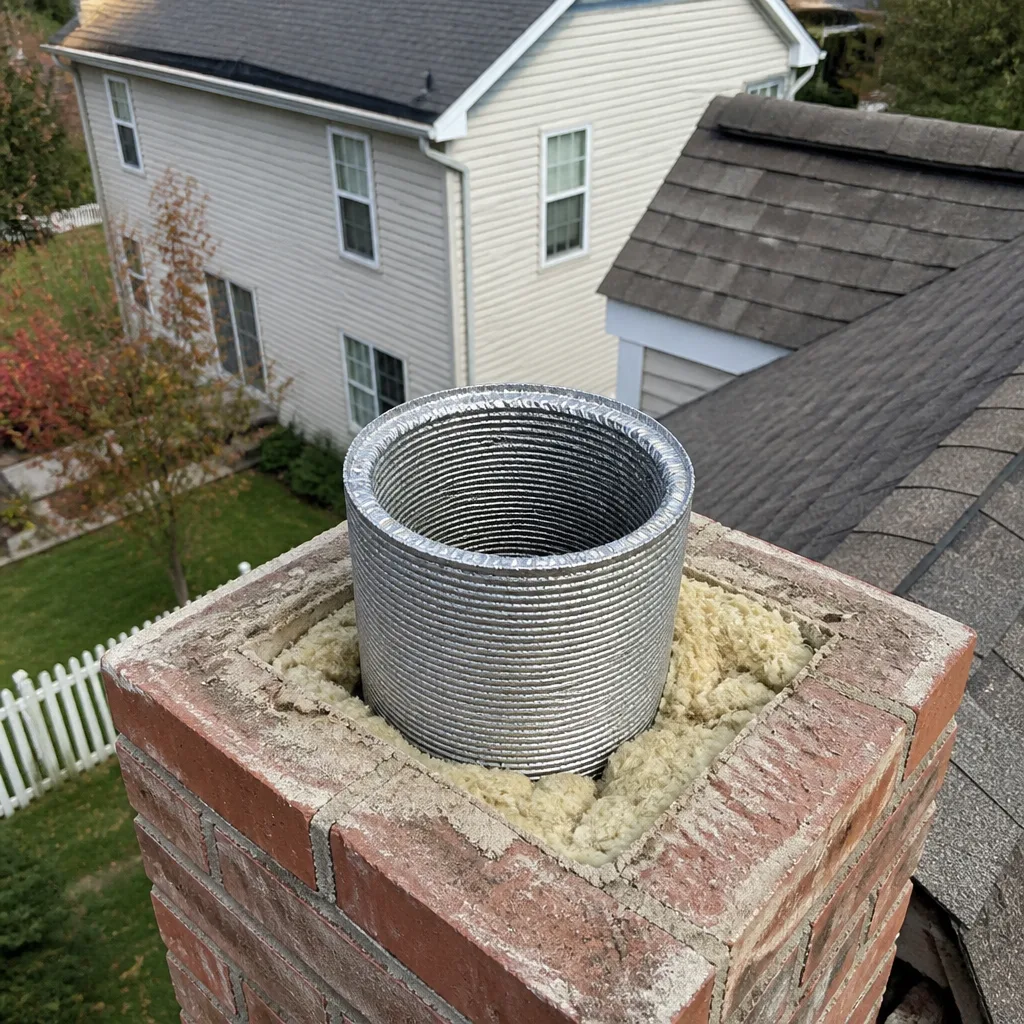 Flue relining
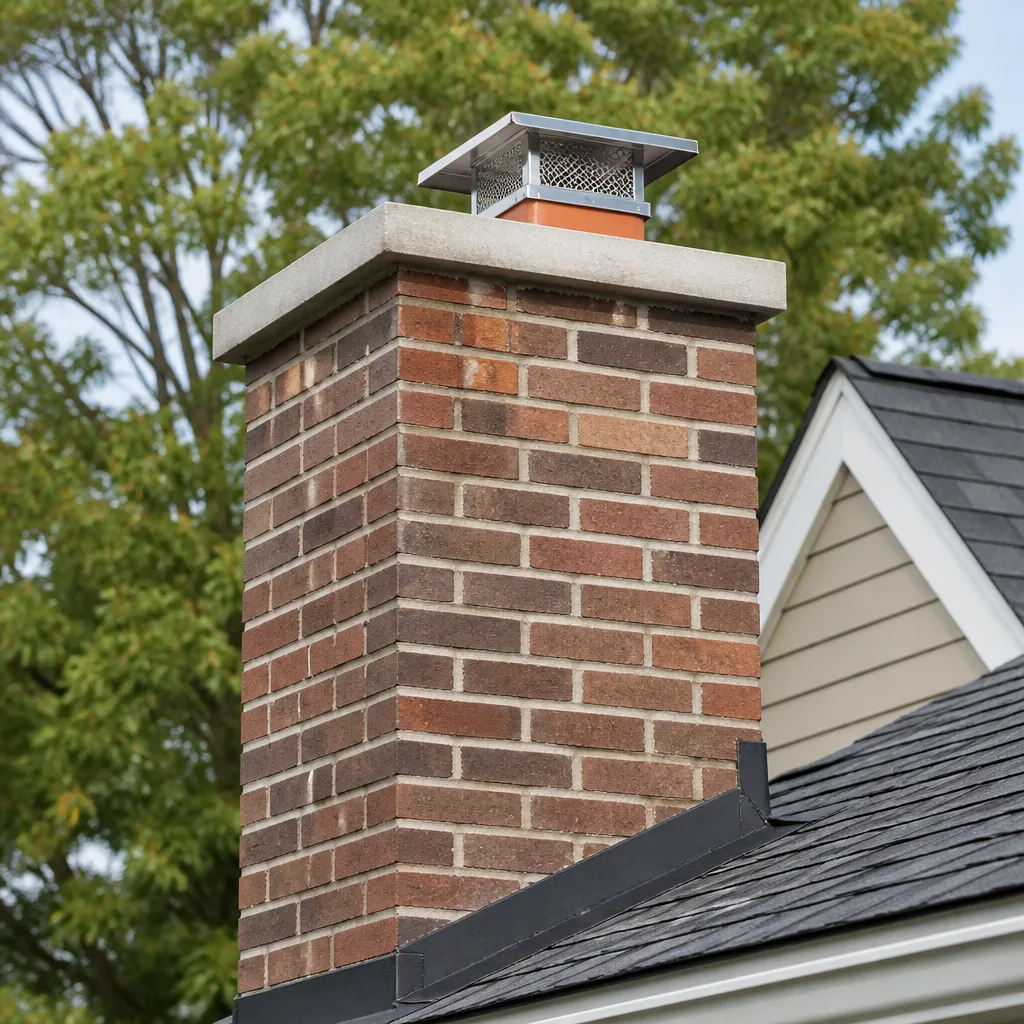 Masonry repair
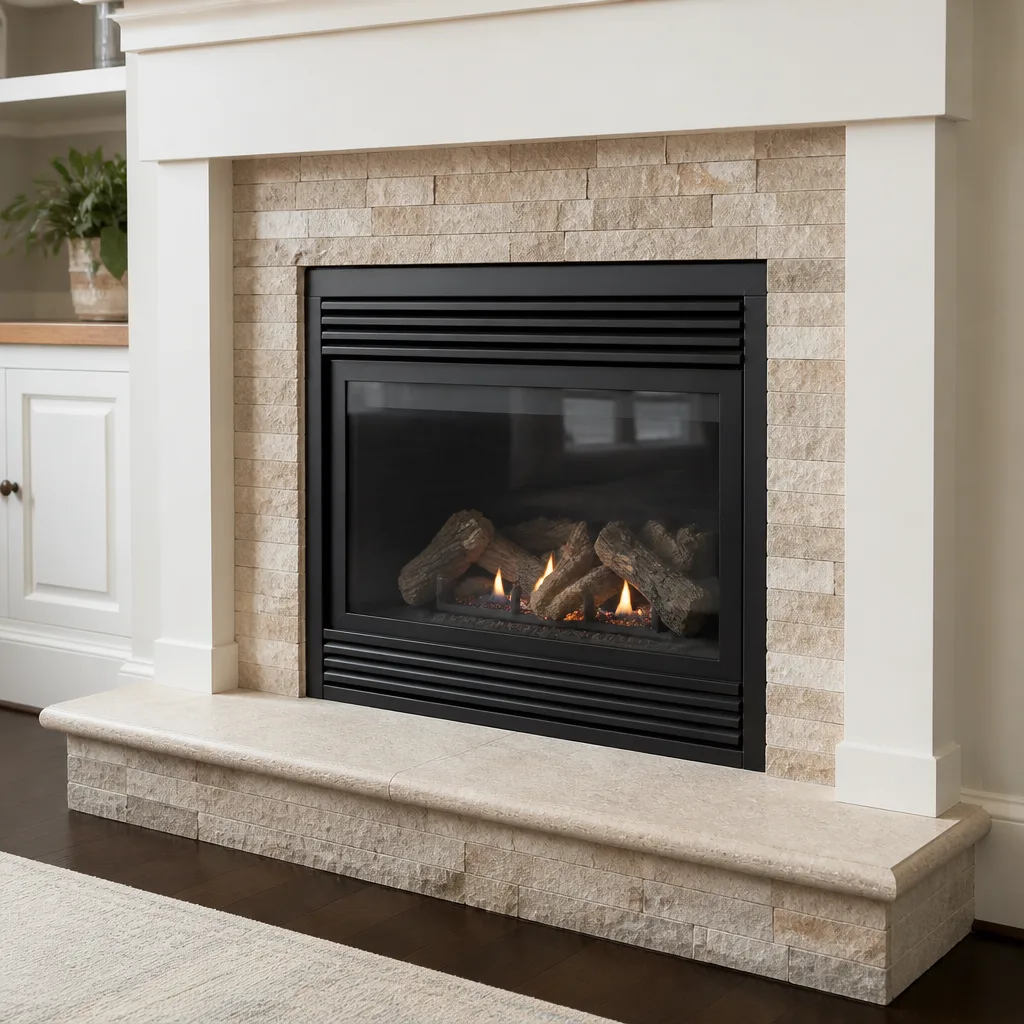 Gas fireplace service
Level 1 sweep and inspection to the NFPA 211 annual standard - flue, crown, cap, and flashing checked and photographed
Chimney sweep logs do not sweep chimneys. They loosen some creosote - which then falls where a brush and vacuum still have to collect it.
Chimney Cleaning Cost Breakdown: The Jackson Heights Homeowner’s Reference for 2026
That $89 chimney sweep special in your search results doesn’t include the inspection report, the HEPA vacuum, or the camera scan. It buys a brush pass through the flue and little else, and the homeowner who books it often ends up paying for a second visit once the real condition of the chimney surfaces. A chimney cleaning quote in Jackson Heights is really a bundle of separate line items, and knowing what each one pays for changes how you read every estimate you receive. This guide breaks down what a professional sweep actually costs here in 2026, what drives the number up or down, and how to tell a fair quote from a stripped-down one before you book.
Quick Answer
A standard chimney sweep in Jackson Heights typically runs $175 to $250 and covers a HEPA vacuum setup, a brush sweep of the flue, a visual inspection, and a written report on what we found. A Level 2 inspection with video documentation adds roughly $150 to $350 on top of the sweep. Liner work and crown rebuilding are quoted separately, and the written estimate you receive sets the final price.
Styles & brands we work with
- Sweep & inspection
- Caps & crowns
- Flue relining
- Masonry repair
- Gas fireplace service
Table of Contents
- What Does a $175 – $250 Sweep Actually Cover in Jackson Heights?
- Why a Lowball Sweep Quote Costs More Later
- Level 1 vs. Level 2 Inspection: What’s the Difference and When Do You Need One?
- Liner Repair and Relining Costs in Jackson Heights Rowhouses
- Crown Rebuild vs. Crown Coat: The $300 vs. $1,200+ Question
- How to Read a Multi-Line Chimney Estimate
- When to Schedule Chimney Work in Jackson Heights
- Common Mistakes to Avoid
What Does a $175 – $250 Sweep Actually Cover in Jackson Heights?
A standard sweep in Jackson Heights costs between $175 and $250, and that number reflects four distinct pieces of work. First is setup: laying drop cloths, sealing the firebox, and running a HEPA vacuum so fine soot doesn’t migrate into the living space. Second is the mechanical sweep itself, using brushes sized to the flue. Third is a visual inspection of the firebox, damper, smoke chamber, and flue. Fourth is the written report, which records what was observed and what, if anything, needs attention before the next burning season.
That report matters more than most homeowners realize. It’s the document your insurer may ask for, the record you keep across years so you can see how the chimney is aging, and the basis for any repair conversation. Without it, you’ve paid for a cleaning and received no information about the condition of the system.
What the Price Breaks Down Into
- Labor: Technician time for setup, sweeping, inspection, and cleanup. This is the largest share of the cost.
- Equipment: The HEPA vacuum, brushes, rods, drop cloths, and the vehicle that carries them. Equipment costs are absorbed across jobs, not added as a surcharge.
- Inspection time: A proper visual inspection takes real time, especially in older flues with offsets or bends.
- Reporting: The written documentation you keep.
Jackson Heights rowhouses and pre-war apartment buildings often have chimney configurations that add time. Flues with offsets, shared stacks in attached buildings, and fireplaces that have been sealed or modified over the decades all require more careful work than a straight, clean flue. That’s part of why a Jackson Heights sweep quote can land toward the top of the range rather than the bottom.
For the full scope of what a proper chimney sweep involves, including what we check beyond the flue itself, we’ve laid it out in detail on that page.
Why a Lowball Sweep Quote Costs More Later
When a sweep is advertised far below the range above, something has been removed from the scope. Usually it’s one of three things: the inspection, the vacuum, or the written report. Sometimes it’s two of the three. The homeowner pays less up front and learns nothing about the chimney’s condition, which is exactly the wrong outcome for a system that causes problems quietly.
What Gets Cut From a Cheap Quote
- The HEPA vacuum. A shop vac and a brush will scatter fine soot through the room. Professional sweeps use HEPA filtration for a reason.
- The inspection. A visual inspection requires training and time. A quick brush pass doesn’t include it.
- The written report. Undocumented work leaves you with no record. Some insurers and real estate transactions require documented inspection history.
- Proper flue sizing. Brushes need to match the flue. A one-size brush damages the liner or misses creosote in the corners.
Jackson Heights has a large stock of older homes where liner condition, crown integrity, and masonry wear are live concerns. A sweep without an inspection is a sweep that can’t tell you any of that. We’d rather quote the honest number and give you the information than hand you a receipt for a brush pass.
In our experience, the homeowners who end up spending the most are the ones who skipped the inspection for several seasons and only learned about a cracked crown or a deteriorated liner once water was already inside the chimney structure. Catching those early is a repair. Catching them late is a rebuild.
Level 1 vs. Level 2 Inspection: What’s the Difference and When Do You Need One?
A Level 1 inspection is a visual check of the readily accessible parts of the chimney and venting system, and it’s included in a standard sweep. A Level 2 inspection goes further: it includes a video scan of the flue interior, inspection of accessible attic and crawl spaces, and a documented report on what the camera found. In Jackson Heights, a Level 2 typically adds $150 to $350 to the sweep cost, and it’s the inspection most insurance carriers and real estate transactions will ask for.
When a Level 2 Inspection Is Required
- Before a home sale or purchase, when the transaction requires documented chimney condition
- After a chimney fire, even a small one, per the standards most professionals follow
- After any change to the appliance or fuel type connected to the chimney
- When a liner or flue has never been documented and the home is older
- When a level 1 inspection reveals something the camera needs to confirm
Standards from the National Fire Protection Association (NFPA 211) define the inspection levels, and a professional inspection should map to them. We offer inspection as a standalone service for homeowners who need the documentation without a sweep, which is common during a Jackson Heights co-op or condo sale when the buyer’s attorney wants the record.
The video documentation is the part worth paying for. A camera scan shows the homeowner exactly what’s inside the flue, and that footage is far more useful than a written summary that says “liner in fair condition.”
Liner Repair and Relining Costs in Jackson Heights Rowhouses
Liner work is the biggest variable in any chimney estimate, and Jackson Heights rowhouses are where it gets interesting. A pre-war rowhouse flue often runs 25 to 35 feet from the firebox to the crown, with offsets and bends that shape the labor. Relining a flue that length typically runs $3,500 to $7,500 depending on the liner type, the number of bends, and whether the crown or masonry needs attention at the same time.
Flexible Stainless vs. Rigid Liner
A flexible stainless liner, like a DuraFlex system, is the standard choice for most relining jobs in Jackson Heights. It follows the offset in an older flue, installs with less demolition, and carries a long service life when sized and insulated correctly. A rigid liner, typically used with Olympia Chimney components, is a good fit for straight flues and situations where the added structural rigidity is the better answer. The per-foot material cost between the two is close; the labor and access in a Jackson Heights rowhouse is what moves the total.
HeatShield as a Repair Alternative
HeatShield is a ceramic flue-repair system that resurfaces a damaged liner rather than replacing it. It’s appropriate when the liner is cracked or spalling but the structural integrity of the flue is still sound. In those cases it can extend the life of the liner by years without a full reline, and it’s a solution many generalist services simply don’t offer. When the flue has failed structurally, HeatShield isn’t the answer and a full reline is. The camera tells you which situation you’re in.
The key point for a Jackson Heights homeowner: liner repair and relining should never be recommended without a video inspection you can watch yourself. If the estimate says “liner replacement” and no camera scan was performed, ask why. Find more detail on chimney repair services and what’s typically involved.
Crown Rebuild vs. Crown Coat: The $300 vs. $1,200+ Question
The crown is the concrete cap on top of the chimney that sheds water away from the flue. When it cracks or spalls, water enters the chimney and the repair bill grows with every freeze-thaw cycle. A crown coat using an elastomeric product like CrownSeal typically costs $300 to $450. A full crown rebuild runs $1,200 to $2,500 or more depending on the chimney’s footprint and access. The price gap reflects scope, not markup.
When a Crown Coat Is Appropriate
- The crown is intact but has hairline cracks or surface wear
- The crown is properly sloped away from the flue
- There’s no separation between the crown and the flue tile
When a Crown Rebuild Is the Right Call
- The crown is broken into pieces or has lost its slope
- Water is already entering the chimney structure
- The crown has pulled away from the flue tile
- Earlier repairs have failed repeatedly
Jackson Heights chimney crowns take a real beating. The mix of wet winters, summer heat, and freeze-thaw cycles works on concrete the way it works on sidewalks. A crown coat is a maintenance step and a rebuild is a structural fix, and the honest answer depends on what the crown looks like up close. We scope chimney cap & crown work with the camera and a ladder, not from the ground, because the difference between a coat and a rebuild usually shows up in close inspection.
If the crown is failing or missing, the water damage that follows often hits the masonry, the liner, and the interior walls below. Catching it before the rebuild stage is where the cost difference really lives.
How to Read a Multi-Line Chimney Estimate
A chimney estimate that lists a single lump-sum number is hard to evaluate. A good one breaks the job into line items that tell you what’s fixed labor, what’s material, and what’s contingent. Here’s how to read one clearly.
What Each Line Item Should Show
- Scope of work: A plain description of what the technician will do. “Sweep and inspect flue serving fireplace, one flue” is clear. “Chimney service” is not.
- Labor hours: Fixed labor is a fixed cost, not a variable you’re paying by the minute. A fair estimate should include it as a set number.
- Materials: Specify the brand and product. “Flexible stainless liner, DuraFlex, 30 ft, insulated” is a real material pass-through. “Liner” is not.
- Contingency for additional findings: A clause like “additional findings may include masonry repair at the crown shoulder” tells you what’s likely and what it will cost if it comes up. It should never be open-ended.
- What’s excluded: A good estimate tells you what it doesn’t cover, usually in as much detail as what it does.
- The total and the assumption: The final price assumes the scope as described. If the flue needs more work than the inspection showed, the written estimate is revised before additional work starts.
The Safeguards to Look For
An “additional findings” clause should be specific. If the estimate names a category of repair and gives a price range for it, you can plan. If it says “additional work may be necessary at additional cost,” you’re signing an open invoice. A fair clause also stops work when findings change the scope, and comes back to you before proceeding. That’s how a written estimate protects both sides.
If you’re ready to see what an itemized estimate for your Jackson Heights chimney looks like, call (866) 937-7175 and we’ll schedule the inspection first.
When to Schedule Chimney Work in Jackson Heights
The best time to schedule chimney work in Jackson Heights is before the first cold snap, usually late summer into early fall, and again in early spring once the burning season is done. Winter is when chimney problems have the most opportunity to become emergencies. If the system is clean and inspected before the first fire of the year, the rest of the season is easier.
What Each Season Tells You
- Late summer and early fall: The best window for sweeps, inspections, liner work, and crown work before heating season.
- Winter: The busiest season for chimney problems. Annual creosote buildup, wet crowns, and unnoticed damage all surface here.
- Early spring: A good time to assess the year’s wear. Freeze-thaw damage at the crown and masonry is visible once the thaw is complete.
- Summer: Fair weather is the most comfortable time for exterior work like crown and cap.
The other thing to plan around is selling or buying a home in Jackson Heights. If a real estate transaction is on the horizon, the Level 2 inspection with video documentation needs to happen early. A last-minute inspection in the middle of a closing is where timelines get tight. Get it done before the contract goes out.
Common Mistakes to Avoid
- Booking on price alone. The cheapest sweep quote in Jackson Heights is usually the one that skips the inspection, the HEPA vacuum, or both. You end up paying for a second visit anyway.
- Skipping the annual sweep. Creosote accumulates slowly, and a flue that looks fine at the firebox can carry enough buildup to be a fire risk. Annual cleaning is the baseline.
- Accepting a liner recommendation without a camera scan. No homeowner should approve a $4,000-plus reline based on a written summary alone. The camera footage is the evidence, and you should be able to see it.
- Ignoring the crown. A small crown crack looks minor. In Jackson Heights winters, a crack becomes water intrusion, and water intrusion becomes masonry and liner damage. Catch it before it costs you.
- Letting a generalist do chimney work. A mason who does chimneys as a side offering and a dedicated chimney specialist source different materials and know different failure modes. A dedicated chimney specialist, not a generalist add-on, is the safer call.
- Waiting for a real estate deadline. A Level 2 inspection takes time to schedule and document. Homeowners who wait until the contract is signed usually pay more and move slower.
- Assuming a gas fireplace needs nothing. Gas fireplaces still have venting systems that need inspection. The fuel changes, the venting still matters.
See the difference
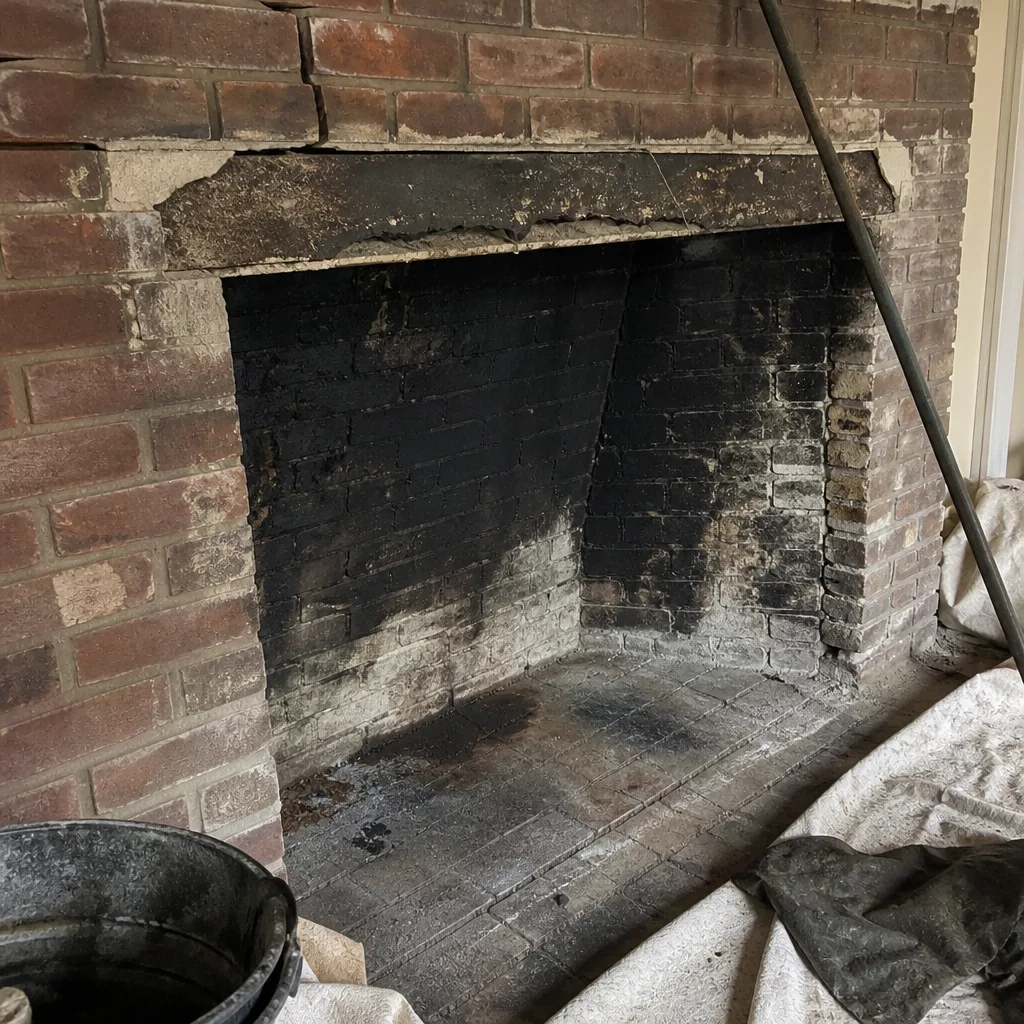 Before
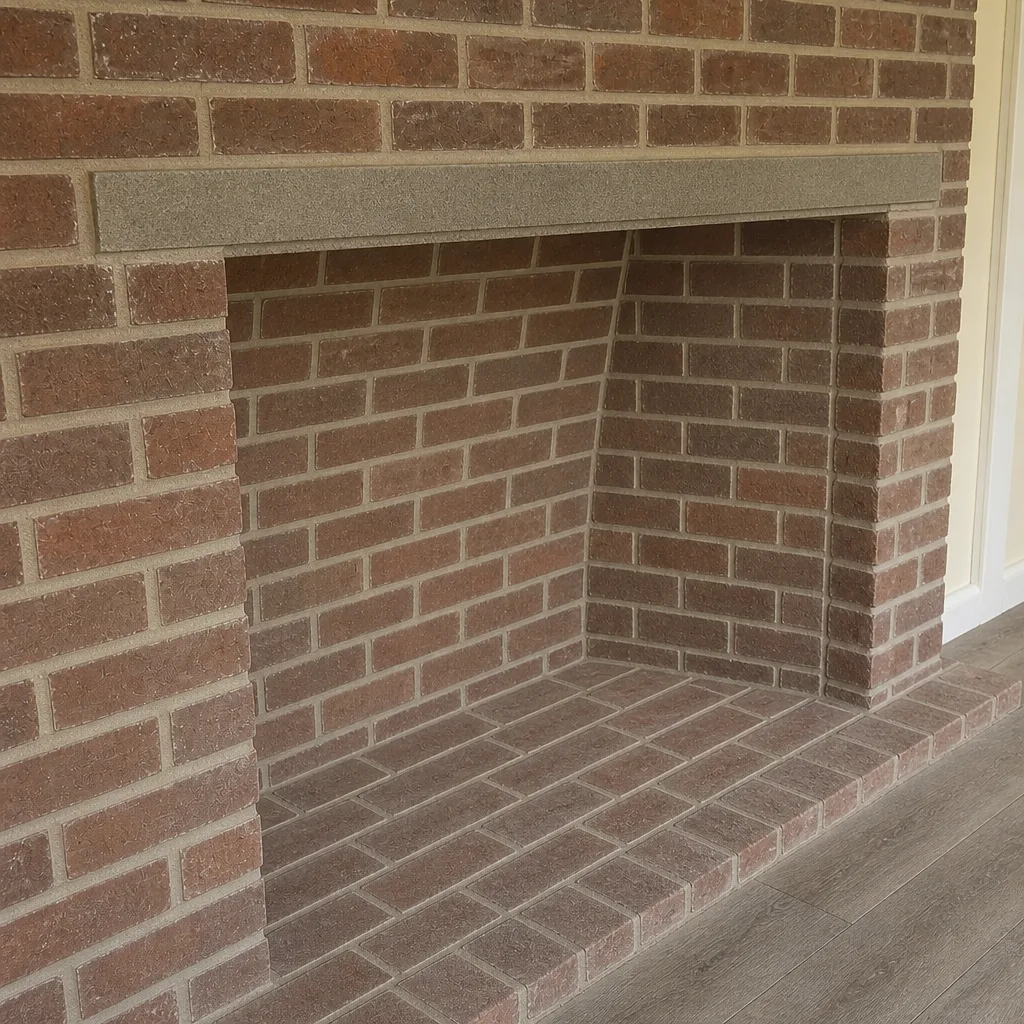 After
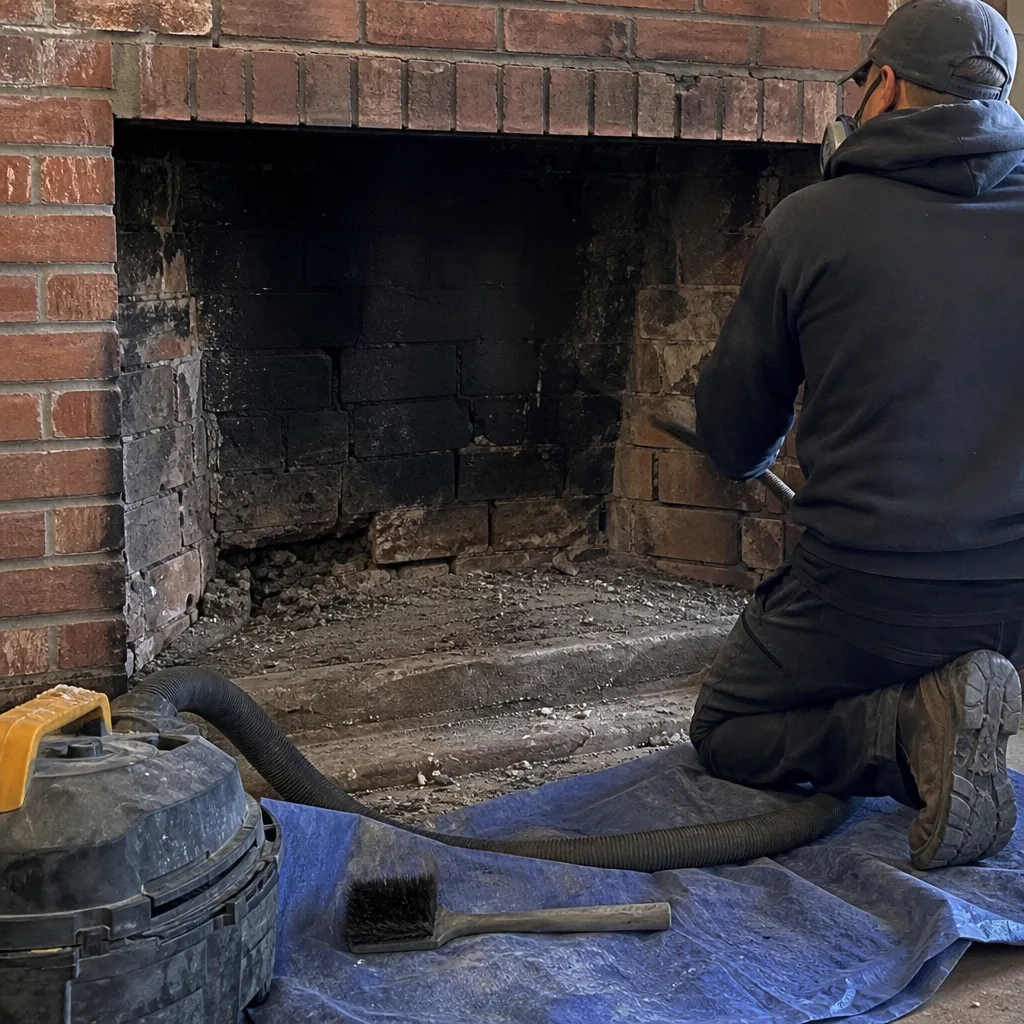 Before
 After
 Before
 After
When to Call a Professional
A chimney deserves a professional visit when you haven’t had a sweep in a year or more, when you’ve had a chimney fire of any size, when you’re buying or selling a home and need a Level 2 inspection, or when you notice water staining, cracking, or odor near the fireplace. A sudden draft problem, soot falling into the firebox, or a crown that’s visibly damaged are all reasons to call sooner rather than later. If you’ve never had the liner documented in a pre-war Jackson Heights rowhouse, that’s the visit to schedule first. We work on the whole system, from the firebox to the crown, so a single visit covers sweeping, inspection, and repair scope in one estimate.
Chimney Sweep Jackson Heights offers free estimates in Jackson Heights. Call (866) 937-7175. We answer 24/7. Fast dispatch from 7am to 7pm, Sunday through Friday.
Frequently Asked Questions
A standard sweep in Jackson Heights typically runs $175 to $250 and includes a HEPA vacuum setup, brush sweep, visual inspection, and written report. A Level 2 inspection with video documentation adds roughly $150 to $350. Call (866) 937-7175 for an exact quote; estimates are free.
Not always. A liner needs replacing when the camera scan shows it has failed structurally, cracked through, or separated at a joint. When the liner is damaged but structurally sound, a HeatShield repair can extend its life without a full replacement. The answer is always grounded in camera evidence you can watch yourself, never in a written summary alone. Call (866) 937-7175 to schedule the inspection and see the footage.
Most wood-burning fireplaces need a sweep once a year, and gas fireplaces need an annual inspection even when they don’t need sweeping. Homes that burn frequently should be swept at the start of every heating season. If you burn heavily through the winter, an early-spring check is a good addition. For most Jackson Heights homeowners, the once-a-year habit is the right baseline. Call (866) 937-7175 to book your annual visit.
Creosote accumulates in the flue, and at a certain level it becomes a fire risk. The crown also deteriorates quietly, letting water into the chimney structure and the masonry. Skipping sweeps doesn’t cause an immediate problem, it just pushes all the costs into a single visit later. We’ve seen plenty of Jackson Heights chimneys where the annual sweep would have caught the issue years before it became a rebuild. Call (866) 937-7175 and we’ll take a look before it gets worse.
Yes. We offer Level 2 inspection as a standalone service, including the video scan and the written documentation that insurance carriers and real estate transactions typically require. The cost in Jackson Heights typically runs $150 to $350 above a standard sweep. If the closing is on a schedule, book the inspection as soon as the contract goes out. Call (866) 937-7175 to schedule.
Yes. We handle the chimney system and the fireplace together, which means you’re not coordinating between two separate trades when a problem touches both. Sweeping, inspection, cap and crown, liner systems, masonry, and fireplace repair all come from the same call. From the firebox to the crown, it’s one estimate. Call (866) 937-7175 to discuss what you need.
The Bottom Line
The number on a Jackson Heights chimney estimate is a sum of specific work: the vacuum, the sweep, the inspection, the report, and then any repairs the inspection turns up. A $175 to $250 sweep is the baseline for a real cleaning with real documentation. A Level 2 inspection adds $150 to $350 when you need it. Liner work, whether a HeatShield repair or a full reline, and crown work, whether a coat or a rebuild, are quoted separately based on what the camera and the ladder show. The written estimate sets the final price, and a fair one tells you what’s included, what’s excluded, and how additional findings will be handled. If you’re planning chimney work this year, read the estimate carefully and ask for the evidence behind any major recommendation. Chimney Sweep Jackson Heights is here to help whenever you’re ready to schedule.
Call (866) 937-7175 for a free estimate. We answer 24/7. Fast dispatch from 7am to 7pm, Sunday through Friday.
Written by the team at Chimney Sweep Jackson Heights.