
Last updated November 22, 2026
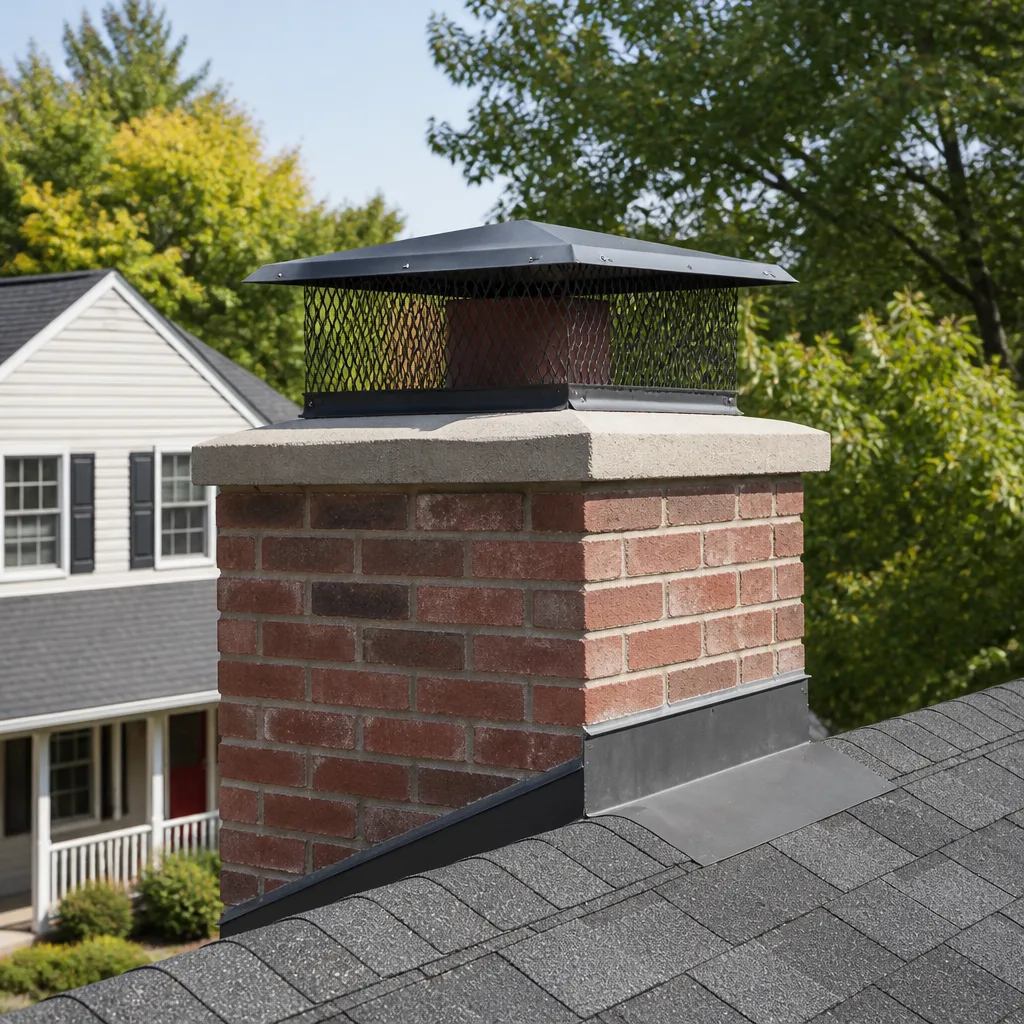 Sweep & inspection
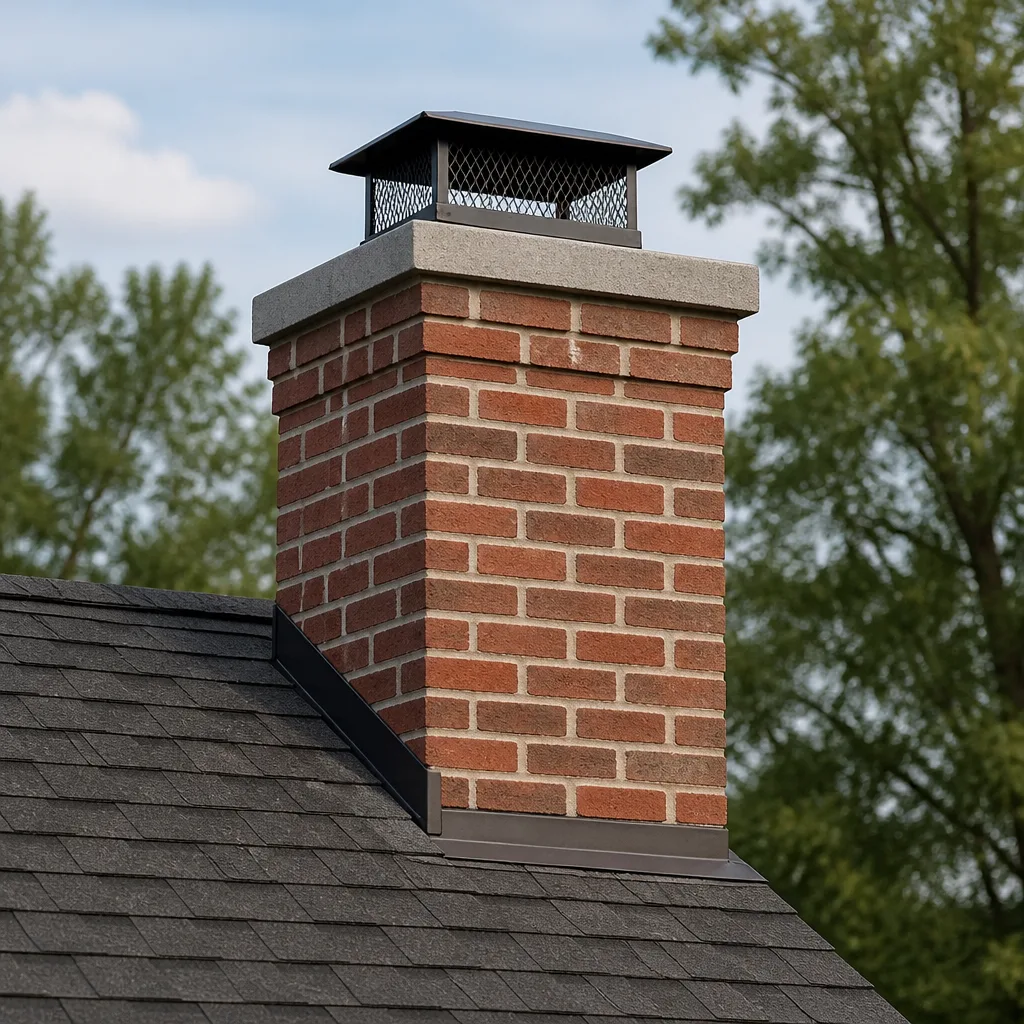 Caps & crowns
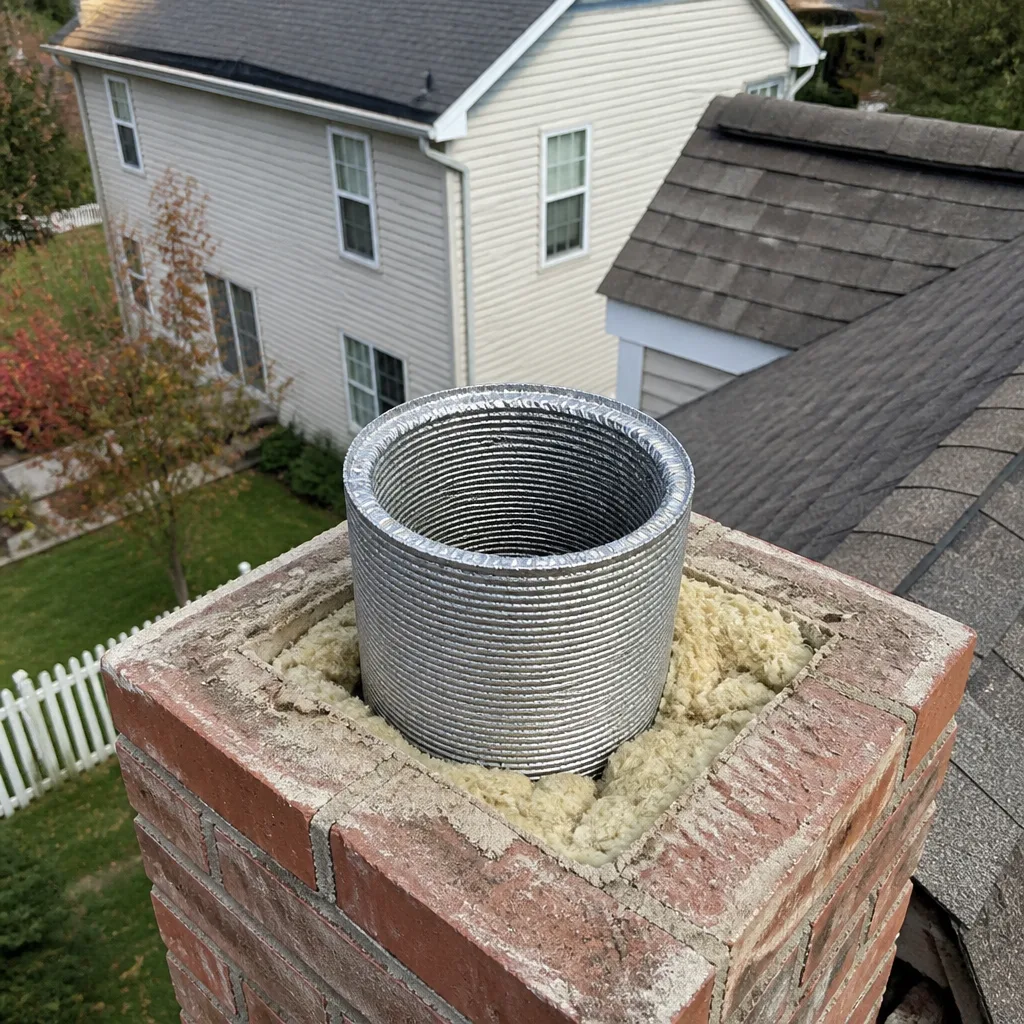 Flue relining
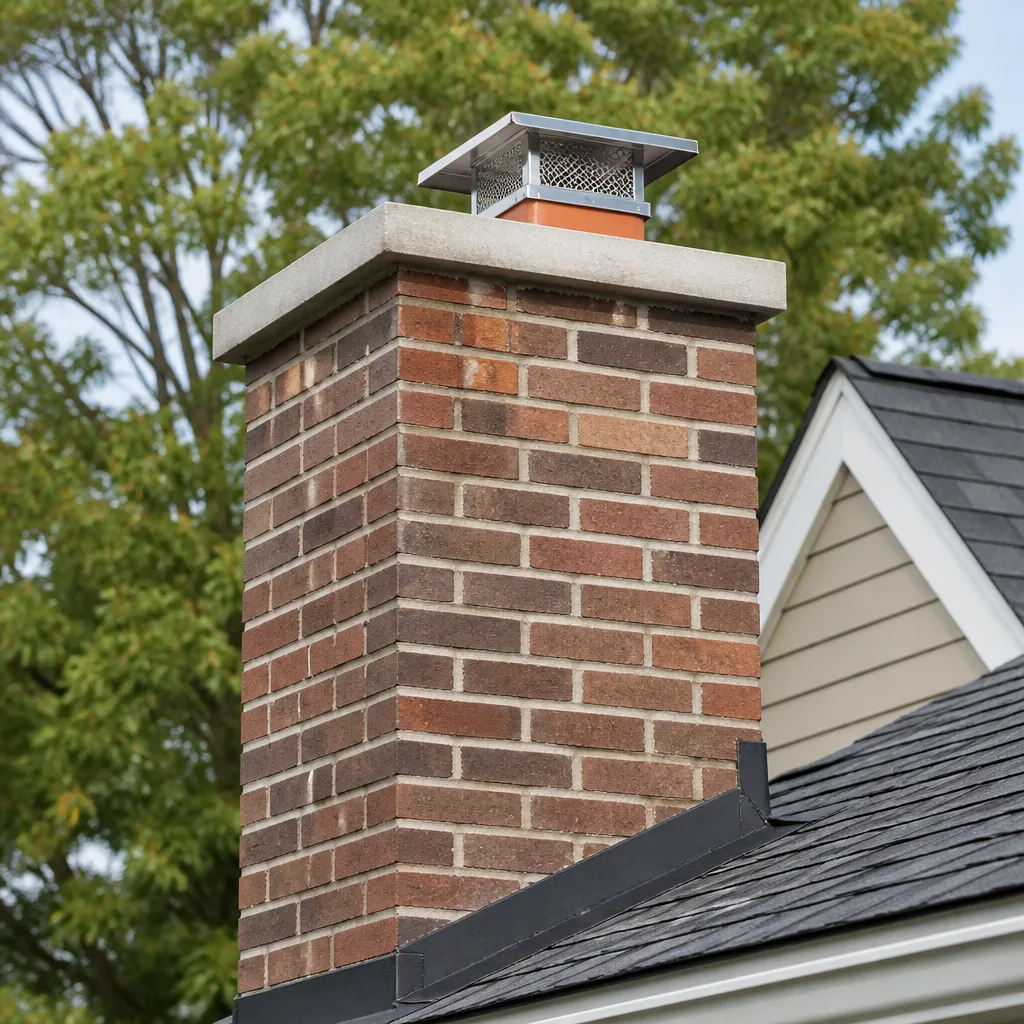 Masonry repair
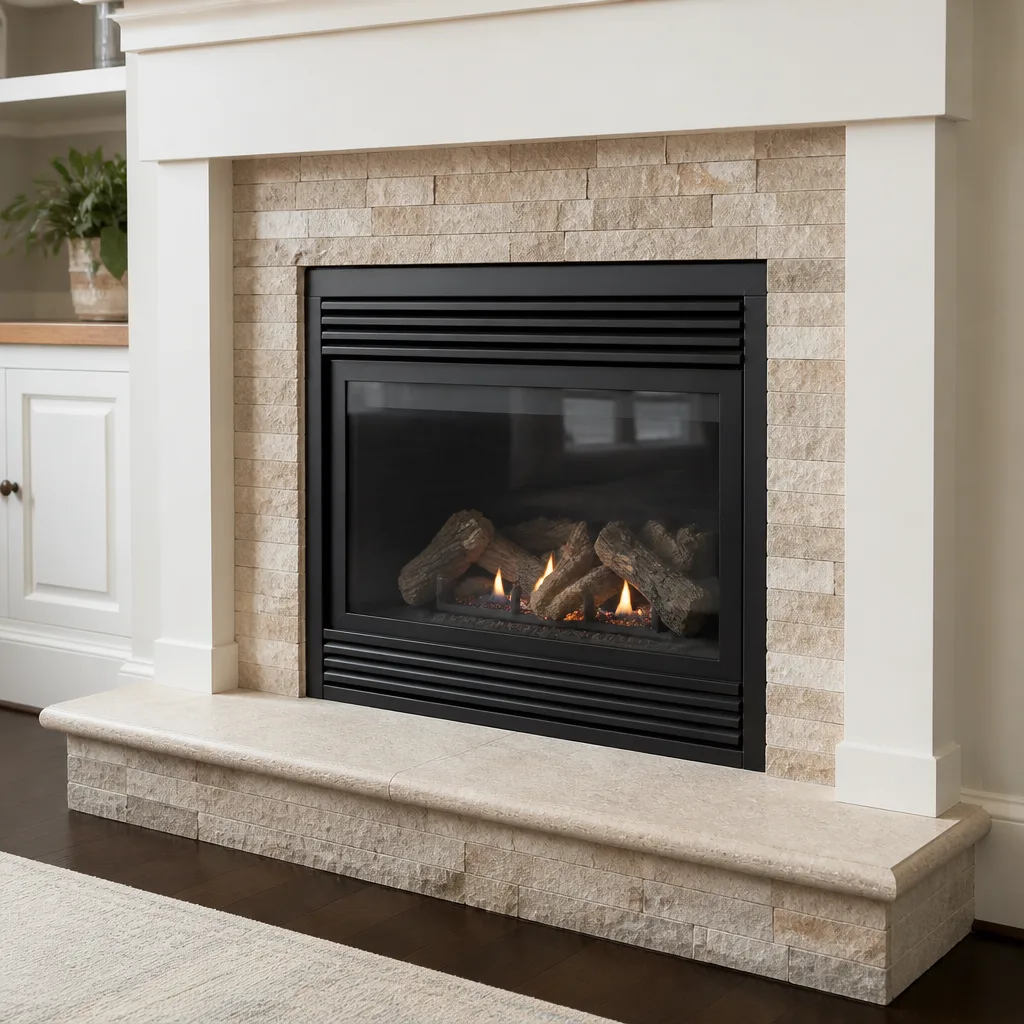 Gas fireplace service
Level 1 sweep and inspection to the NFPA 211 annual standard - flue, crown, cap, and flashing checked and photographed
Chimney sweep logs do not sweep chimneys. They loosen some creosote - which then falls where a brush and vacuum still have to collect it.
Chimney Cleaning Emergency Preparedness Guide for Jackson Heights Homes
Most homeowners think chimney emergency prep means buying a fire extinguisher and hoping they never need it. That misses the actual danger. A chimney fire in a tile-lined flue can reach 2,000°F while showing no visible smoke at the roofline, and in a Jackson Heights attached rowhouse that heat moves straight into the framing you share with your neighbor. There’s also the quieter threat: a smoldering liner event that produces carbon monoxide with no flame you’d ever notice. This guide covers how to tell those two apart, what to do in the first five minutes, and what to check before heating season starts so neither catches you off guard.
Quick Answer
An active chimney fire needs three immediate actions in this order: close the damper to cut the air supply, get everyone out of the house, and call 911. A slow smoldering creosote fire is different: it may produce no visible smoke at all but can push carbon monoxide into your living space, so a working CO detector matters as much as a fire extinguisher. Either way, no chimney should be reused after a suspected fire until a Level 2 inspection confirms the liner is sound.
Styles & brands we work with
- Sweep & inspection
- Caps & crowns
- Flue relining
- Masonry repair
- Gas fireplace service
Table of Contents
- How do you identify an active chimney fire?
- What’s the difference between a slow burn and a fast burn chimney fire?
- Why carbon monoxide detection matters more in Jackson Heights rowhouses
- What happens to a terra cotta liner during a chimney fire?
- When to call 911 versus when to call a sweep
- Pre-season emergency preparedness tasks
- Recognizing Stage 3 creosote before it becomes a problem
- What happens after a chimney fire
How do you identify an active chimney fire?
A fast-burning chimney fire usually announces itself with sound. You’ll hear a low roar that sounds like a freight train or a distant jet, and a popping or crackling that’s louder and more rhythmic than normal fire noise in the firebox. These are the sounds of creosote igniting and expanding inside the flue.
Visual signs are just as important:
- Dense black or dark gray smoke pouring from the chimney top instead of the thin whitish plume you normally see
- Sparks or embers visible at the cap, sometimes floating onto the roof
- A hot, vibrating chimney pipe or flue that you can feel radiating through the surrounding wall
- Creosote flakes or dark debris falling into the firebox or onto the roof
- A smell of burning that’s sharper and more acrid than ordinary wood smoke
If you see or hear any of those, act in this exact order:
- Close the damper. This starves the fire of air. Don’t open the glass doors to look – the surge of oxygen can feed it.
- Evacuate the house. Get everyone out, including pets. Close doors behind you as you leave.
- Call 911. Chimney fires in Queens fall under FDNY jurisdiction. Don’t try to watch it from the yard and wait.
After you’ve called, don’t re-enter to put anything out yourself. A chimney fire burns above your firebox, in a space you can’t reach with an extinguisher. Let the fire department do their job. Once the fire is out, the chimney is not safe to use again until a sweep has inspected it. We get asked constantly whether a homeowner can just “air it out for a few days” after a fire. The answer is no – thermal damage to the liner isn’t visible from the firebox, and using the chimney before it’s inspected risks a second, worse event.
If you need a proper evaluation afterward, our chimney inspection follows NFPA 211 inspection levels, so a post-fire assessment gets documented the way it should be.
What’s the difference between a slow burn and a fast burn chimney fire?
A slow, smoldering chimney fire is the harder one to catch. It happens when a thick buildup of Stage 3 creosote – the glazed, hardened kind that forms after repeated burns with restricted air – ignites at a lower temperature and burns quietly for hours. There may be no roar, no visible sparks, and no dense smoke at the roofline. The flue temperature climbs while everything looks normal from inside your living room.
The signs are subtle:
- A faint, persistent smell of burned creosote that doesn’t go away when the fireplace is cold
- A slight haze or heat shimmer near the chimney that isn’t from a normal fire
- Soot streaks or discoloration at the chimney top or around the thimble
- Creosote flakes appearing on the firebox floor days after a fire
The real danger here isn’t the fire itself – it’s what a smoldering event does to the liner. Prolonged heat weakens tile joints and opens hairline fractures that let combustion gases escape into the wall cavity. That’s how a slow burn becomes a carbon monoxide problem instead of a fire problem.
The clearest protection is catching the glazed creosote before it ever gets hot. That’s the point of a scheduled chimney sweep, and it’s also the reason our technicians have up to 10 years of experience with the hardened Stage 3 deposits older Jackson Heights homes tend to have. If you burn a lot of wood and haven’t had the flue cleaned in a while, get that checked before winter. A cleared flue removes the fuel a slow burn needs in the first place.
Why carbon monoxide detection matters more in Jackson Heights rowhouses
In a detached house, a venting failure sends combustion gases into the wall cavity with a little more room to dissipate. In an attached Jackson Heights rowhouse, a shared party wall means there’s no such buffer. Your chimney’s masonry field runs directly against the stud bay and brickwork next to your neighbor’s home. If a hairline fracture in the liner lets CO through, the gas follows the wall cavity – sometimes into your rooms, sometimes into theirs.
Carbon monoxide is dangerous because you can’t smell it, taste it, or see it, and early symptoms look like a cold or flu. The CDC recommends a detector on every level of a home and near sleeping areas. For Jackson Heights rowhouses specifically, we tell homeowners to add one more layer: a CO detector positioned in the same room as the fireplace or in the room directly adjacent, mounted at eye level or above, not just in the hallway. The party wall and the chimney chase are where a leak is most likely to travel.
- Mount a CO detector in the fireplace room and in the hallway outside sleeping areas
- Add one in any room that shares the chimney party wall with a neighbor if you can
- Test the alarm monthly during heating season, not just once a year
- Replace the battery at every daylight saving change if it’s not a sealed 10-year unit
- Replace the entire detector at end of its manufacturer’s service life
If any detector reads above zero without an obvious explanation, don’t wait – get everyone outside and call for help. CO is the reason a pre-season inspection isn’t optional. It’s the only tool that finds a compromised liner before the alarm goes off.
What happens to a terra cotta liner during a chimney fire?
Terra cotta tile is designed for steady, moderate heat. When a fast-burning fire pushes the flue past 2,000°F, the tiles experience thermal shock – they expand faster than the mortar holding them can flex. The result is hairline fractures, spalling at the joints, and sometimes a cracked tile you can’t see from the firebox without a camera.
This is why the post-fire inspection exists. The tiles can look perfectly fine inside your fireplace while the upper flue is cracked into several pieces. That’s what a Level 2 inspection catches, and it’s not an upsell – most homeowner insurance claims related to a chimney fire require a Level 2 inspection report before any repair or remediation claim is paid. Insurance plus NFPA 211 both say the same thing: no reuse until a documented inspection confirms the liner is intact.
If the inspection finds damage, the fix depends on scope:
- Localized joint failure: HeatShield ceramic flue repair may seal the cracks and extend liner life without a full relliner – something most general contractors can’t offer
- Structural fracture or missing sections: a full relliner with a flexible stainless system such as DuraFlex is usually the right answer
- Rebuild required: if the crown and cap were also compromised, that work goes hand-in-hand with the liner repair
Our chimney repair service handles both the liner and the surrounding masonry in one scope, so you’re not stuck coordinating separate trades after a fire. And because we work with Copperfield and HeatShield materials directly, the repair matches the damage instead of being fitted around whatever was on a shelf.
When to call 911 versus when to call a sweep
Call 911 the moment you see or hear an active chimney fire – dense smoke, roaring sound, sparks at the cap, or visible flames escaping anywhere but the firebox. FDNY handles the emergency. They will put water on the fire, confirm the fire is out, and check that the fire hasn’t extended into the framing or the wall cavity. They may not inspect the inside of the flue, and they’ll usually advise you to get the chimney evaluated before you use it again. That part is on you.
Call a sweep when:
- You suspect a past chimney fire but the fire is already out
- You have recurring smoke spills or a fireplace that doesn’t draft properly
- You smell creosote or see soot staining
- You need a Level 2 inspection for insurance purposes after a fire
- Your cap or crown looks damaged and you want it evaluated before heating season
One FDNY reality worth knowing: if you call 911 for what turns out to be a minor smoke issue, they’ll still respond, and it will still go in a report you may need to disclose later. There’s no penalty for calling when you’re genuinely unsure, but calling a sweep for a sound you can’t pin down is often the right first move. When you do call us, we’ll tell you straight if you need to hang up and call 911 instead.
We answer 24/7, so if you’re not sure which number to call at 2am, we can help you decide. Fast dispatch from 7am to 7pm, Sunday through Friday.
Pre-season emergency preparedness tasks
The work that keeps a chimney emergency from happening happens in the weeks before heating season, not during a fire. These are the checks we walk Jackson Heights homeowners through every fall:
- Confirm the damper closes fully. Open the firebox, look up, and work the damper handle through its full arc. It should seal flush against the frame with no visible gap. A damper that sticks partway open is the first thing that feeds a chimney fire with air, and it’s also the thing you need to close fast in an actual emergency. If it won’t seat, get it fixed before you burn.
- Verify the cap screen is intact. A damaged screen lets embers escape onto the roof and lets birds and debris enter the flue – both are pre-fire conditions. Look at the cap through binoculars from ground level or have a technician check it. A clean, intact chimney cap & crown also stops the water intrusion that quietly rots crowns and masonry through the winter.
- Save the sweep’s phone number in your phone and in the household emergency list. Not something to look up while the fire’s roaring.
- Test every carbon monoxide detector and replace batteries. Do this before the first fire of the season, not after.
- Have a sweep inspect the flue and firebox. If a cap or crown has failed, or the liner shows early wear, catching it now is far cheaper than repairing it after a fire – that’s the “catch it before it costs you” logic behind our cap and crown work.
- Clear combustibles from around the hearth. Firewood, kindling, rugs, furniture – all of it more than 3 feet back from the fireplace opening.
Jackson Heights winters are cold enough that heating season runs long, and homes here burn hard for months. That makes pre-season prep a real maintenance task, not a formality. Our chimney sweep in Jackson Heights handles all of it in a single visit if you’d rather have a trained eye do the checking.
Recognizing Stage 3 creosote before it becomes a problem
Creosote forms in three stages, and only the last one is a fire waiting to happen. Stage 1 is a light, flaky dust you can brush off. Stage 2 is a crusty, puffy deposit that scrapes off with effort. Stage 3 is glazed, shiny, and hard like candle wax – and it burns hot enough to be the fuel source for a fast-burning chimney fire.
You can sometimes spot Stage 3 yourself by looking up the flue with a flashlight, but the deposits tend to be where you can’t see them. Three conditions make Stage 3 more likely:
- Burning unseasoned or wet wood – the moisture limits the fire’s heat and lets more unburned material plate the flue
- Restricted air intake – a half-closed damper or a fire that smolders for hours instead of burning hot
- A flue that’s oversized for the firebox – common in older Jackson Heights homes that have had a fireplace insert removed
If any of those describe your setup, a spring or fall inspection is the simplest way to find out whether the creosote has reached the glazed stage. Removing it is a job for a specialist with the right tools – scraping glazed creosote out of a terra cotta flue is not a homeowner task, and trying to burn it off by running a hot fire is exactly how a chimney fire gets started.
What happens after a chimney fire
Once FDNY has put out the fire and cleared the scene, three things follow in sequence:
- A Level 2 inspection. This is a camera-based inspection of the entire flue from firebox to cap, plus a look at the crown, cap, and any exterior masonry. It documents the state of the liner for your insurance claim and tells you exactly what’s safe to reuse. Our chimney inspection is offered as a standalone service for exactly this purpose.
- Repairs, if the inspection finds damaged areas. A cracked tile may be a candidate for HeatShield ceramic repair, while a structurally compromised length of flue usually calls for a DuraFlex stainless relliner. Cap and crown damage from the same event is often addressed in the same scope.
- Clearance to burn again. Only after the liner has been verified and any repairs completed. Reuse before that point is how second chimney fires happen.
The paperwork matters here as much as the repair. Keep the inspection report, photographs, and estimate together for your insurer. If a claim adjuster asks for a Level 2 report, the report you already have is one less delay between you and getting the chimney back in service before the coldest weeks of a Jackson Heights winter.
Common Mistakes to Avoid
- Opening the firebox doors during a chimney fire. The extra oxygen can feed the fire just when it was starting to die back. Close the damper and leave the doors alone.
- Assuming no visible smoke means no fire. A slow-burning creosote fire can smolder for hours without producing smoke at the cap. If you smell burning creosote and can’t pin down the source, treat it as a potential event.
- Skipping the post-fire inspection because “the fire department said it was fine.” FDNY handles the emergency. They don’t do a camera inspection of your flue, and the tile damage from thermal shock is inside the flue where they can’t see it.
- Reusing a chimney after a fire without a Level 2 inspection. Damage to the liner can’t be confirmed visually, and using it without a documented inspection can void an insurance claim.
- Relying on the hallway CO detector to protect a rowhouse. In attached Jackson Heights homes the party wall carries gas between units, so a detector needs to be in the fireplace room and any room directly adjacent to the chimney.
- Watching for a chimney fire from the yard instead of calling 911. A chimney fire on a rowhouse block can spread into shared framing in minutes. Call first, worry about the investigation after.
- Trying to “burn off” creosote with a hot fire. That’s the fire a chimney fire is. Glazed Stage 3 creosote needs to be physically removed by a sweep, not self-incinerated.
See the difference
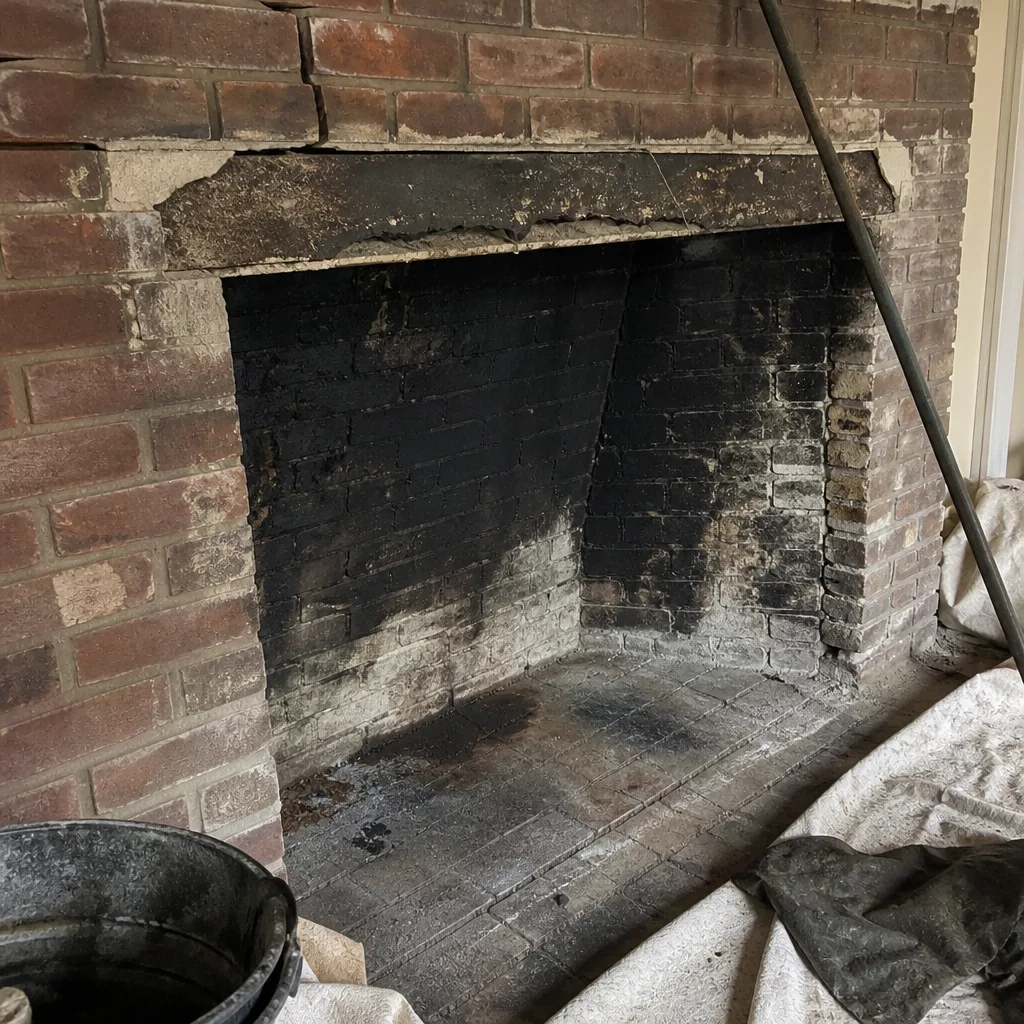 Before
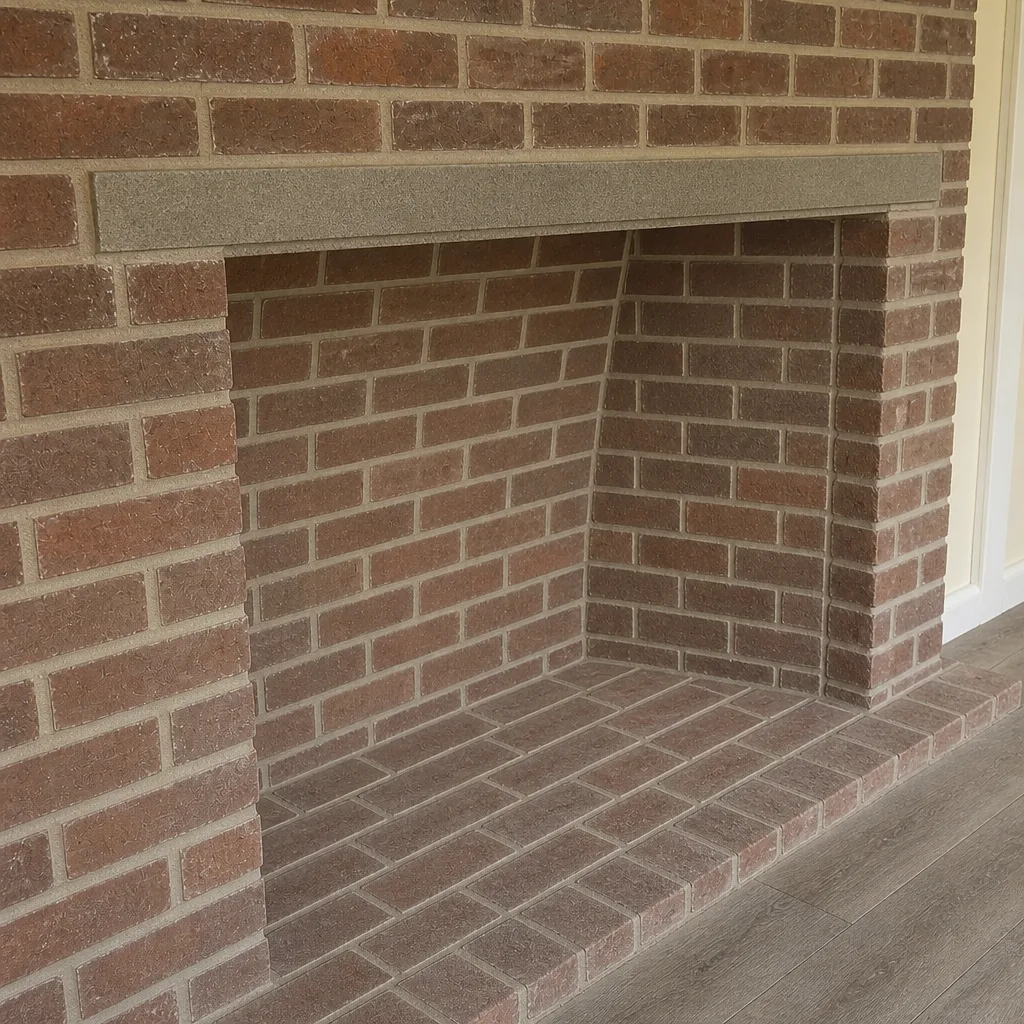 After
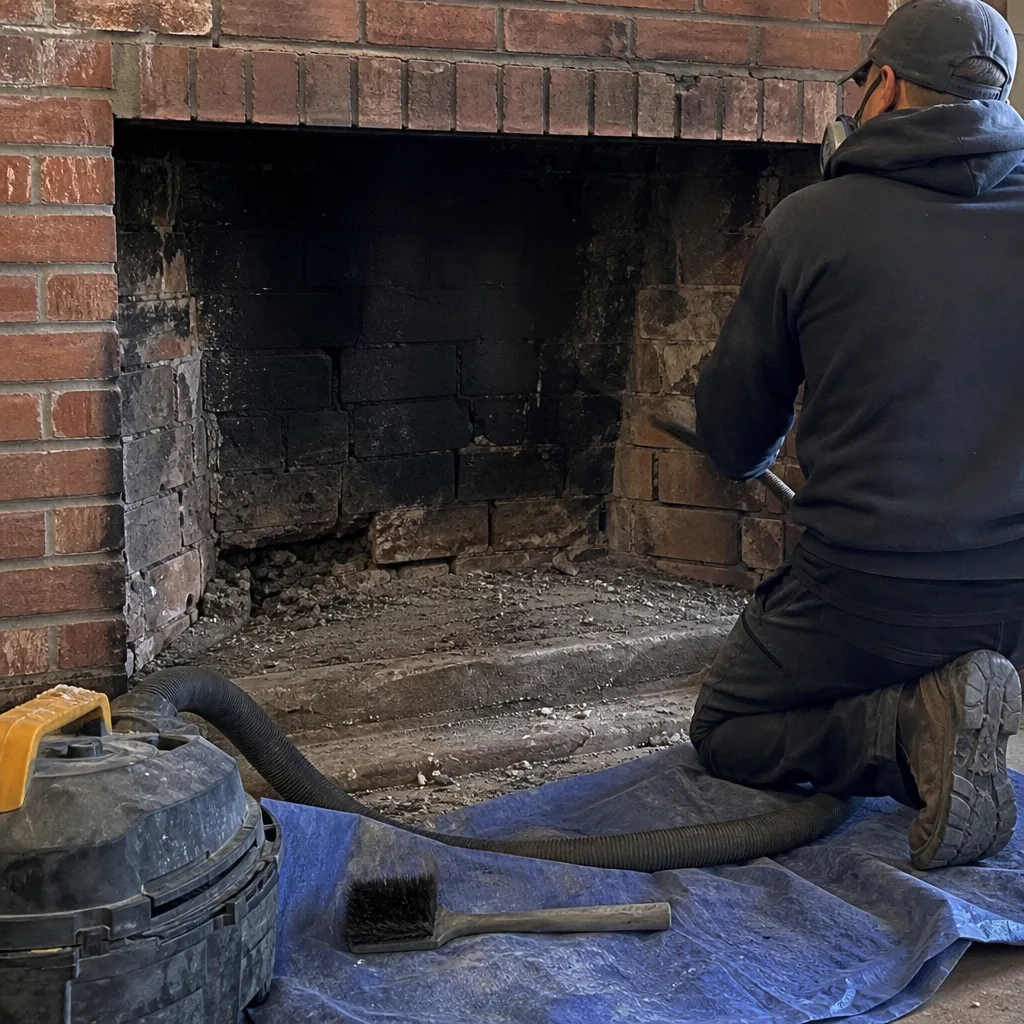 Before
 After
 Before
 After
When to Call a Professional
Call a sweep before heating season if your fireplace has seen heavy use, if you smell creosote on cold days, if the damper won’t seat, or if your cap or crown shows wear. Call immediately after any suspected fire – roaring sound, dense smoke, sparks at the cap – because a Level 2 inspection is what determines whether the chimney is safe to use again. Call us with a concern you can’t quite place: a faint burning smell, a chimney that’s just not drafting right, or a sudden streak of soot on the firebox face. Chimney Sweep Jackson Heights offers free estimates in Jackson Heights – call (866) 937-7175 to schedule one.
Frequently Asked Questions
Close the damper first, then get everyone out of the house, then call 911. The damper cut-off starves the fire of air; evacuation protects you and your neighbors; the 911 call brings FDNY to the fire itself. Don’t open the firebox doors to check, and don’t try to fight the fire from the hearth. Call (866) 937-7175 once the emergency is over for a post-fire inspection – estimates are free.
Look for soot or creosote flakes on the roof or in the firebox, check for a strong burned-creosote smell that lingers on cold days, and have the crown and cap checked for heat damage. The most reliable sign is a Level 2 inspection with a camera, which is the only method that shows you the inside of the flue. Call (866) 937-7175 to book one – estimates are free.
Yes. A Level 2 inspection is required by NFPA 211 before a chimney is reused after a fire, and most insurers will ask for a Level 2 report before they process a chimney-related claim. It’s not an upsell – the camera is how the inspection finds thermal shock fractures a visual check can’t see. Call (866) 937-7175 to schedule – estimates are free.
No. FDNY responds to active chimney fires, puts out the fire, and confirms it hasn’t extended into the structure, but they don’t perform camera inspections of the inside of your flue. Their standing advice after a chimney fire is a professional evaluation before reuse. Call (866) 937-7175 for that inspection – estimates are free.
NFPA 211 recommends an annual inspection, and a sweep whenever creosote reaches roughly 1/8 inch inside the flue. Homes that burn wood heavily through a long Jackson Heights winter often need a sweep every year. Homes on gas logs may go longer between sweeps but still need the annual inspection. Call (866) 937-7175 to book one – estimates are free.
Every level, outside sleeping areas, plus at least one in the room with the fireplace and one in any room that shares the chimney party wall with a neighbor. In an attached rowhouse, combustion gases travel through shared wall cavities, so the standard hallway placement isn’t enough. Call (866) 937-7175 if you want a technician to walk the system with you – estimates are free.
Not until a Level 2 inspection clears the liner. Even a small fire can cause thermal shock hairline fractures that aren’t visible from the firebox, and those cracks are the path a carbon monoxide problem takes into the house. Wait for the inspection report before the next fire. Call (866) 937-7175 to schedule – estimates are free.
Creosote keeps building each time you burn, and once it reaches the glazed Stage 3, it’s the fuel a chimney fire needs. You’re not guaranteed a fire by skipping a season, but you’re removing the protection that stops one. The other risk is slower: an unnoticed crack in the liner lets CO into the wall cavity with no fire at all. Call (866) 937-7175 to book a sweep and inspection – estimates are free.
The Bottom Line
A chimney emergency in Jackson Heights is not just a fire problem – it’s a fire problem, a carbon monoxide problem, and a shared-wall problem between neighbors. The prep that matters is simple: know the three-step response to an active fire (close the damper, evacuate, call 911), install a CO detector in the fireplace room and against the party wall in addition to the hallway, and get a Level 2 inspection after any suspected fire before the chimney is used again. Do the pre-season checks – damper, cap screen, sweep contact, detector batteries – and you’ll walk into heating season with a system that responds the way it should if the worst happens.
If you’re ready to schedule that sweep or inspection before the cold sets in, call (866) 937-7175. Our technicians have up to 10 years of experience and work with Copperfield, DuraFlex, HeatShield, and other professional-grade materials to keep the whole system – from the firebox to the crown – in condition to run another season safely. We answer 24/7. Fast dispatch from 7am to 7pm, Sunday through Friday.
Written by the team at Chimney Sweep Jackson Heights.