
Last updated November 22, 2026
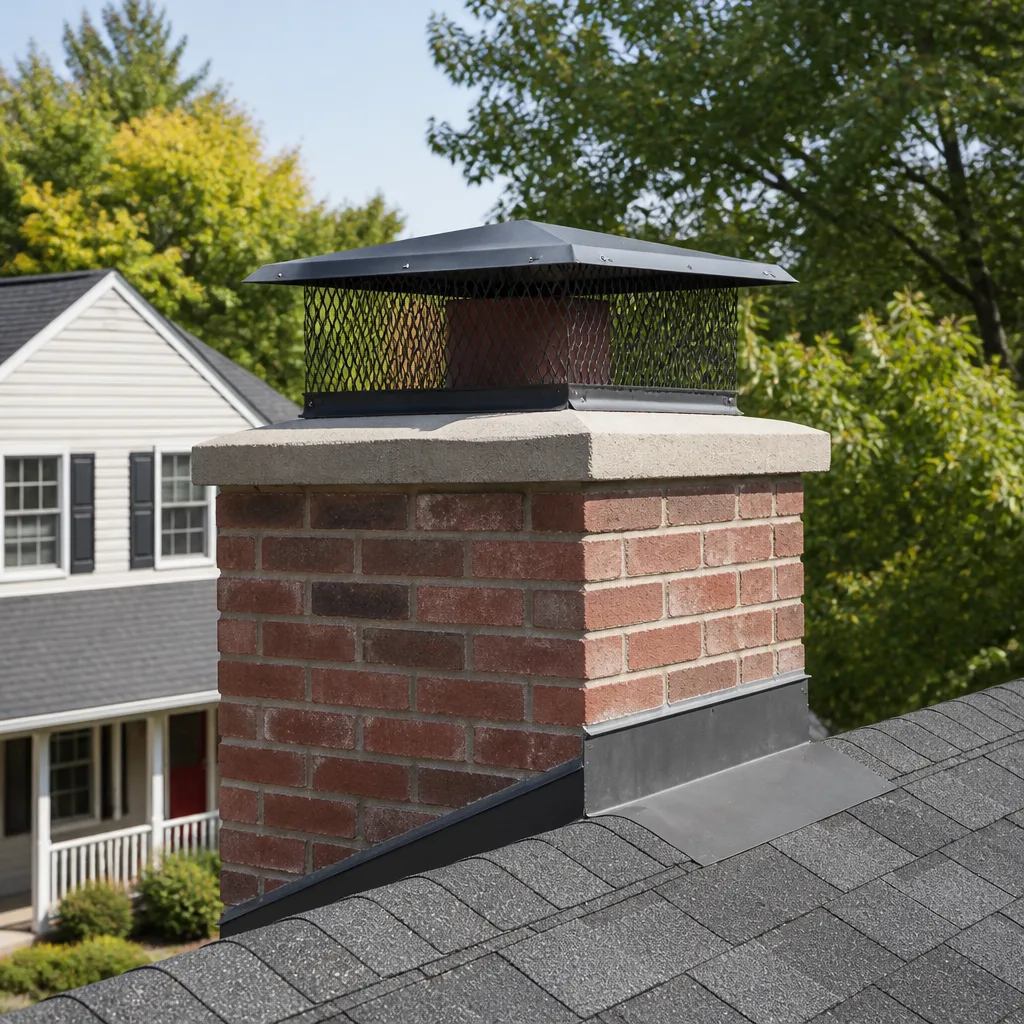 Sweep & inspection
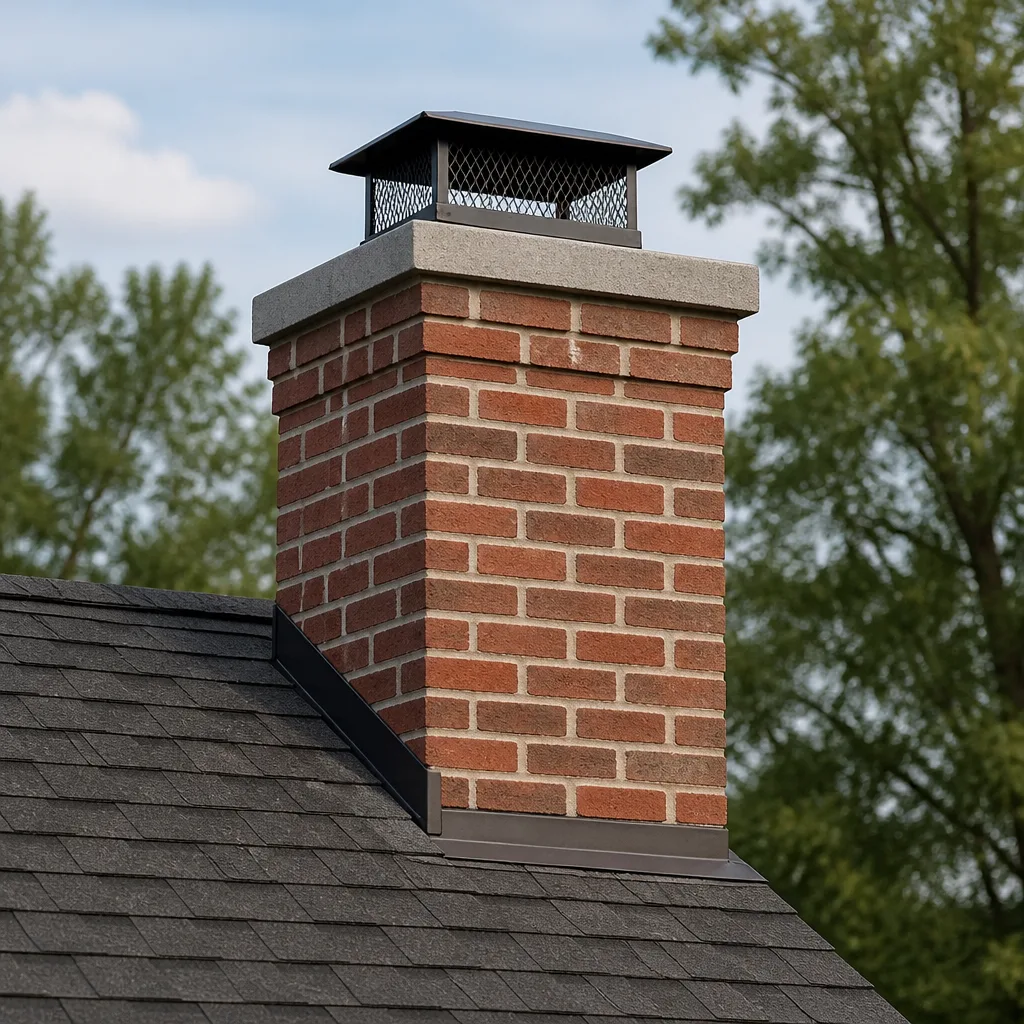 Caps & crowns
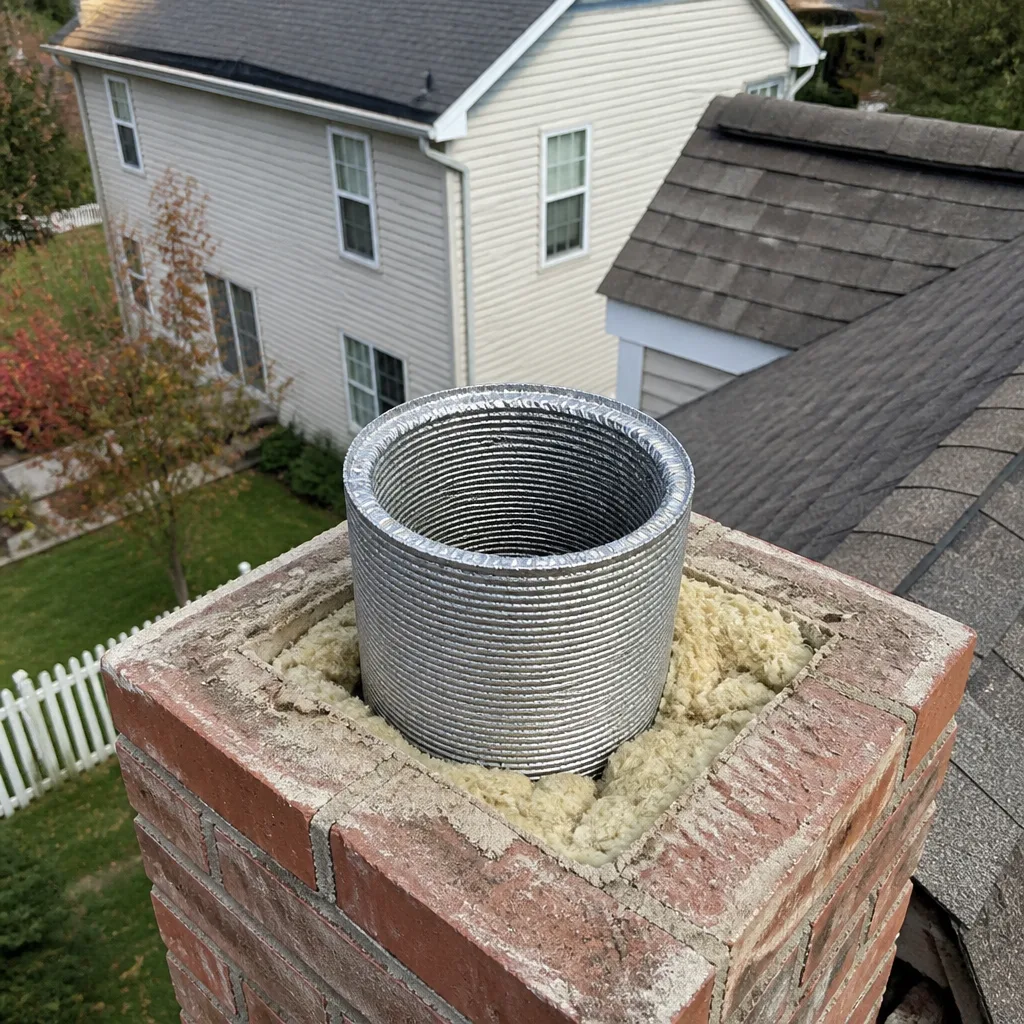 Flue relining
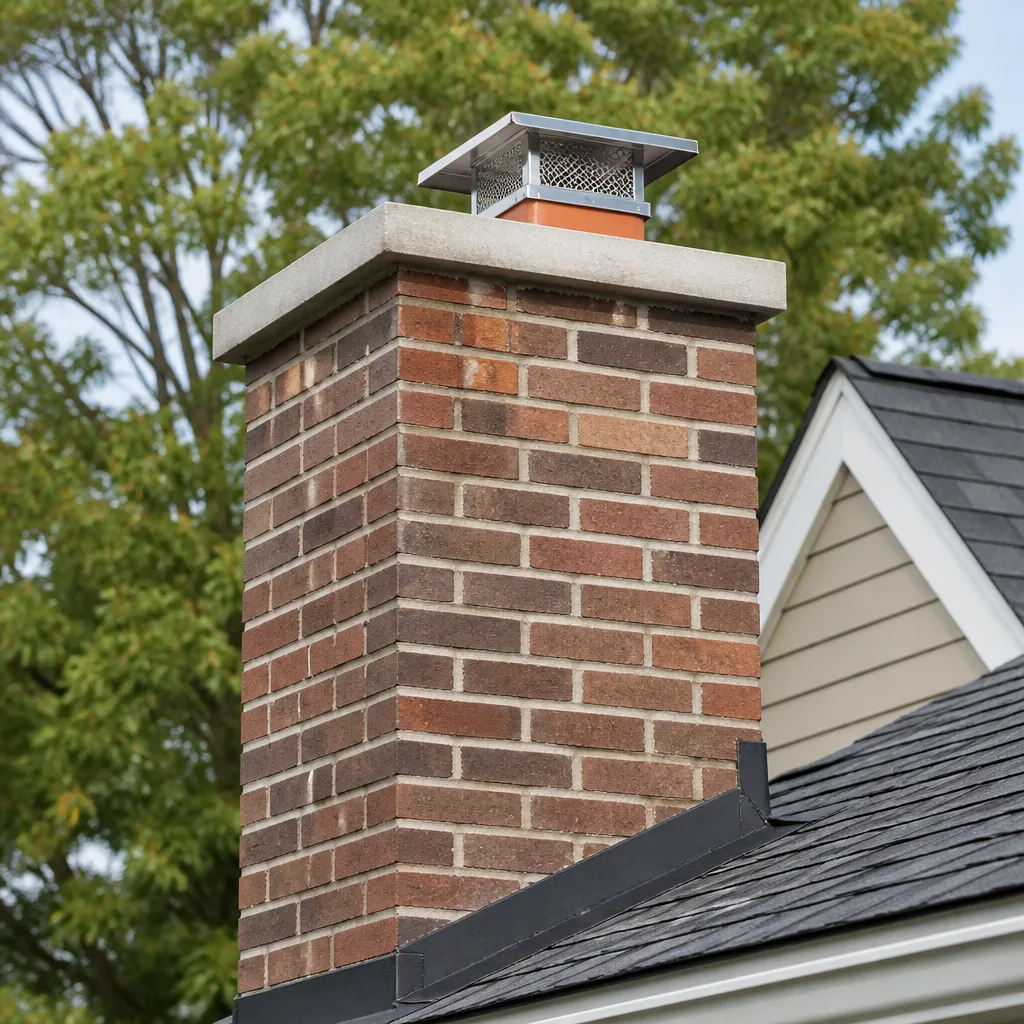 Masonry repair
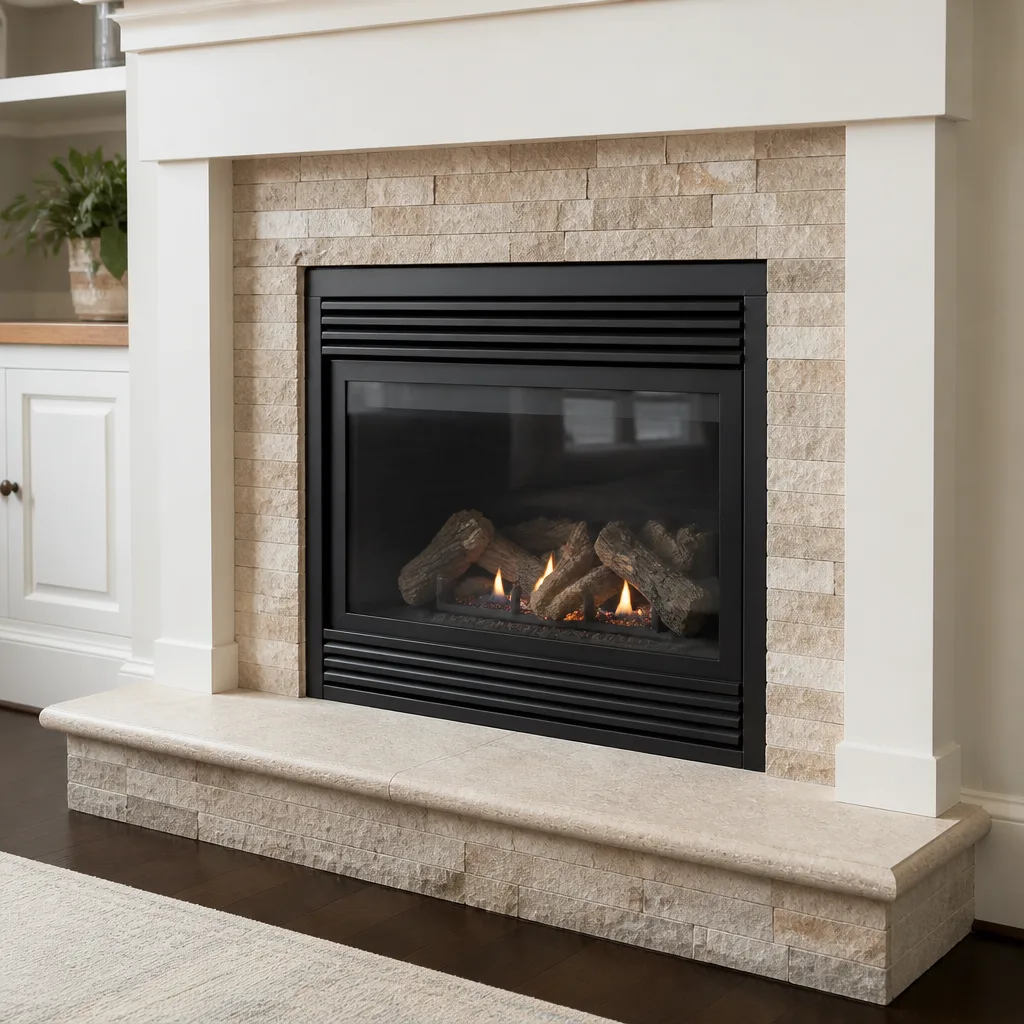 Gas fireplace service
Level 1 sweep and inspection to the NFPA 211 annual standard - flue, crown, cap, and flashing checked and photographed
Chimney sweep logs do not sweep chimneys. They loosen some creosote - which then falls where a brush and vacuum still have to collect it.
Seasonal Chimney Cleaning Care for Jackson Heights: Year-Round Homeowner’s Guide
Most homeowners treat the chimney like a switch: off all summer, on all winter, and forgotten in between. That’s exactly backwards. A chimney in Jackson Heights takes on damage in every season, and the periods when you’re not burning wood are when the quiet structural problems start. Freeze-thaw cycles pry at mortar joints in late winter. Summer humidity condenses inside a cool, unused flue and works on the liner and damper plate. By the time the first cold night arrives, whatever went wrong in the off-season is waiting for you. This guide walks through the chimney calendar season by season, shows you which tasks belong to each window, and explains the service triggers worth scheduling before small problems turn into rebuilds.
Quick Answer
Seasonal chimney care in Jackson Heights follows a four-part rhythm: inspect and repair after winter, manage moisture through summer, sweep and inspect before heating season, and check creosote mid-winter if you burn heavily. The single most valuable window is late summer, before the fall rush, when a sweep and an inspection can be scheduled without a wait and any repairs can be completed before the first fire. Everything else on the calendar supports that one appointment.
Styles & brands we work with
- Sweep & inspection
- Caps & crowns
- Flue relining
- Masonry repair
- Gas fireplace service
Table of Contents
- What a Queens Winter Does to Your Chimney
- Spring: The Post-Winter Audit That Saves Real Money
- Summer: Why an Idle Chimney Isn’t Maintenance-Free
- Pre-Season: The September-October Sweep Window
- Mid-Season: Creosote Checks for Heavy Wood Burners
- Spring Cap and Crown Audit: Reading the Damage
- Why We Treat the Chimney as One System
- Common Mistakes to Avoid
What a Queens Winter Does to Your Chimney
A chimney is a masonry and metal assembly that sits outdoors, gets rained on, and then gets heated from the inside. Winter is when those two forces fight hardest. In Jackson Heights, a typical winter brings repeated freeze-thaw cycles: daytime temperatures rise enough to melt snow and ice on the crown and shoulders of the chimney, water seeps into small cracks and pores in the mortar, and then overnight temperatures drop below freezing and that water expands. Masonry doesn’t stretch. The expansion widens the crack a little more each cycle.
By the end of a hard winter, the chimney you see from the street may look unchanged, but the vulnerable spots are usually:
- The crown – the concrete cap on top of the chimney. It’s the most exposed surface in the whole system and the first place small cracks show up.
- Mortar joints – especially on the side of the chimney that faces the prevailing weather. Raking and separation are common after a long winter.
- The chimney cap and its screen – metal components that can loosen, dent, or rust, letting water and animals in.
- The firebox and damper – indoor components, but the freeze-thaw cycling above them can shift the flue in ways that affect the seal.
Jackson Heights has a large stock of older homes, many of them brick with original exterior chimneys. Older masonry has already been through many winters, so it’s often closer to the failure point than the homeowner realizes. In our experience, chimneys that haven’t been inspected after a hard winter are where the expensive surprises live. A chimney repair done in spring is a small job. The same problem left through a summer of rain and a second winter often isn’t. That rhythm is why we recommend a chimney repair assessment in spring, not in the fall when everything’s booked.
Spring: The Post-Winter Audit That Saves Real Money
Spring is the first real service window of the year, and it’s the one most homeowners skip. The house is warm, the fireplace is off, and the chimney drops off the list entirely. That’s a mistake, because spring is the only time of year when you can look at the chimney after winter damage and before the summer moisture cycles that make everything worse. Scheduling a chimney inspection in March or April, especially after a harsh winter, catches masonry and crown problems while they’re still surface-level.
Here’s what an inspection after a Queens winter should cover:
- Exterior visual scan – crown, mortar joints, flashing, cap, and the visible portion of the flue.
- Interior camera scan – the flue lining, looking for cracks, gaps, spalling, and evidence of condensation damage.
- Firebox and damper check – seals, gaskets, and metal condition.
- Photo report – what was found, with images the homeowner can see.
The photo report matters more than it sounds. The single biggest hesitation homeowners have is being told they need liner or masonry work they have no way to verify. A camera inspection can show them directly. If the interior of the flue looks sound, we say so and the homeowner moves on. If there’s a crack or a gap, they see it themselves before any work is recommended. We offer inspection as a standalone service consistent with NFPA 211 inspection-level standards, so it’s a valid call on its own even if you’re not ready for a sweep yet.
Pre-season scheduling is the other half of the spring argument. Every chimney sweep in Queens gets slammed in October. If you book your full sweep and inspection in spring or early summer, you get a wider choice of dates, and any repair work can be completed before the fall. That’s the whole point of the calendar. If you already know you want a chimney sweep before heating season, there’s no reason to wait until the week everyone else wants one.
Summer: Why an Idle Chimney Isn’t Maintenance-Free
Summer looks like the safe season for a chimney. Nothing’s burning, no smoke, no risk. But an unused chimney is not an inert one. When the fireplace sits cold and the flue is cooler than the surrounding air on a humid Jackson Heights day, warm moist air condenses on the cooler interior surfaces. That condensation is the summer problem, and it’s the one that quietly shortens the life of a chimney system.
Where the moisture does its work:
- Clay tile liners – repeated wetting and drying, plus winter freeze-thaw, spalls the tile surface and opens hairline cracks.
- Metal liners – rust forms on unprotected steel components, especially at seams and at the top of the flue where moisture can sit.
- Damper plates – cast iron and steel damper assemblies can rust at the pivot points and the sealing surface, which is why a damper that worked fine in March can stick or fail to seal by October.
- Firebox masonry – the firebrick and mortar absorb moisture over the summer season, and the first hot fire in fall drives that moisture out fast, which stresses the joints.
There are a couple of practical summer tasks that don’t require a professional. Keep the damper closed when the fireplace isn’t in use, so humid air doesn’t flow through the flue. Look at the chimney from the ground with binoculars and note any change in the crown or cap. And get on the calendar for a pre-season appointment, because summer is when the best dates are available. If the chimney already has signs of condensation damage, our technicians work with HeatShield, a ceramic flue-repair system that restores damaged liners rather than automatically replacing them. It isn’t appropriate for every situation, but when it applies, it lets a homeowner preserve a liner that would otherwise be a full relliner job. We always show the camera evidence first.
Pre-Season: The September-October Sweep Window
The official pre-season window is September and October, and the reason is simple: this is the last chance to sweep and inspect before the chimney goes back into service. A sweep removes creosote and soot that built up during the previous heating season, and an inspection confirms that nothing structural changed over the summer. Doing this before the first fire means any issue is caught before it’s an actual hazard.
The complication is that everyone else has the same idea. September and October are the busiest months in the chimney trade, and once you’re into the second half of October, scheduling gets tight. Our approach is straightforward about this: booking in August, or even late July, beats the October rush, and there’s no downside to sweeping a little early. The creosote that’s in the flue in August is the same creosote that would be there in October. An August appointment gets the work done, opens the window for any repair before the season starts, and doesn’t leave you waiting.
What the pre-season visit should include:
- Full sweep – the flue, smoke chamber, firebox, and any accessible connector components.
- Inspection – consistent with the same NFPA 211 levels used for a standalone inspection.
- Creosote assessment – a note on how heavy and how glazed the buildup was, which guides how often you should be sweeping.
- Photo report – what was found and whether anything needs attention before the first fire.
If a chimney cap & crown is missing, damaged, or incorrectly sized, the pre-season visit is the natural time to address it, because a cap is one of the least expensive ways to keep water out of a system you’re about to rely on for months. We schedule these as part of the same visit where possible, so the homeowner isn’t coordinating separate appointments.
Mid-Season: Creosote Checks for Heavy Wood Burners
Most homes don’t need a mid-season visit. If you’re burning a cord or two a winter, the pre-season sweep covers you. But if you burn more than two cords per winter, the calendar shifts. A mid-January creosote assessment is worth considering, and the reason is the nature of what creosote does when it’s left in place. Creosote starts as a soft, flaky deposit. As it’s exposed to heat, moisture, and time, it goes through stages, and the later stages are glazed, hard, and much harder to remove. A mid-season assessment catches the transition before it sets.
The stages matter for scheduling:
- Stage 1 – light, fluffy, easy to remove with a standard sweep.
- Stage 2 – hard, crunchy, and crusty; removable but with more effort.
- Stage 3 – glazed, tar-like, and requiring more specialized removal.
A heavy burner who waits until the following September may find that a Stage 1 deposit has become a Stage 2 or even Stage 3 deposit that’s costlier and more involved to clear. The mid-season check is a short visit; the whole point is to grade the deposit and decide whether another sweep is worth scheduling before spring. Our technicians have up to 10 years of experience reading creosote in wood-burning systems, and we’ll tell you plainly if a mid-season sweep is unnecessary. If it is, we say so.
One note on safety, because this is the topic where the danger is real. Creosote is a genuine fire risk when it builds up, and no homeowner should be attempting to remove heavy or glazed deposits from inside a flue with hand tools. High-tension components and confined space make chimney work a professional job. If your flue has visible buildup, the safe move is to call a trained technician, not to work from a video.
Spring Cap and Crown Audit: Reading the Damage
The cap and crown are the least glamorous parts of the chimney system and the most consequential for long-term cost. The crown is the concrete or masonry top surface that sheds water away from the chimney. The cap is the metal cover and screen assembly that keeps rain, debris, and animals out of the flue. Between them, they’re the first line of defense for everything underneath. When they fail, the damage doesn’t stay at the top: water enters the flue, works into the masonry, and travels down toward the firebox.
Common signs of winter damage that are cheapest to fix in spring:
- Hairline cracks in the crown – often small enough to seem cosmetic. They aren’t. Water enters them, freezes, and widens them over the following winter.
- Spalling on the crown surface – flaking or crumbling concrete, which signals freeze-thaw damage is already underway.
- Corroded or torn cap screen – rusted mesh allows birds and debris in, and a loose cap can be pulled off in wind.
- Mortar joint separation – visible gaps between brick courses, especially on the weather-facing side.
- Flashing separation – the metal at the chimney-to-roof junction lifting or pulling away.
In our experience, spring is the right time to look at these because the evidence is fresh from winter and summer moisture hasn’t yet done its second round of damage. A crown that’s re-sealed in April is protected through the wet months. A crown left until October has had a full summer of rain working into the same cracks. If the crown is beyond repair, we reinstall, typically with professional-grade materials. If the cap has failed, the replacement is sized to the flue, not picked off a shelf. Chimney caps are a distinct service for us because we’ve seen how often water intrusion that looks like a big masonry problem starts at the top of the chimney with a cap that wasn’t doing its job.
Why We Treat the Chimney as One System
A chimney isn’t a single component. It’s a stack: crown, cap, flue liner, smoke chamber, damper, firebox, and the fireplace itself. Damage in one part tends to migrate to the others, and that’s why a season-by-season plan works better than reacting to individual symptoms. If the cap fails, water gets into the liner. If the liner cracks, the firebox absorbs heat it wasn’t designed for. If the crown cracks, the masonry below gets water that causes separation. Problems move.
We work on the whole system. That’s a practical statement, not a marketing one. It means a homeowner can call once and get the sweep, the inspection, the cap and crown, the liner work, and the fireplace repair handled in one relationship instead of coordinating a sweep from one contractor, a masonry job from another, and a fireplace repair from a third. It also means the person looking at your crown is the person who knows the state of your liner, so recommendations are made with the full picture.
The material side of this matters too. We install and work with DuraFlex flexible liner systems, an industry-standard product for relining aging or damaged flues. Our technicians use HeatShield for ceramic flue repair, which many general contractors don’t offer. We source components from professional chimney trade suppliers, including Copperfield and Olympia Chimney, and we work with Famco venting components and Gelco accessories when a repair calls for them. The point isn’t the brand names. The point is that the materials match the job, which is what separates a real repair from a patch.
We’re a chimney specialist, not a generalist add-on. We don’t do HVAC, roofing, or unrelated masonry. Everything we do traces back to the system above your firebox, which is how we keep recommendations honest: if the answer isn’t a chimney issue, it isn’t our job. The starting point for all of it is a proper look at the whole system, which is what the Chimney Sweep Jackson Heights service is built around.
Common Mistakes to Avoid
- Waiting until the first cold night to think about the chimney. Every sweep in Queens is booked three weeks out by then. The middle of October is already late for a unit that hasn’t been looked at since last season.
- Skipping spring because nothing feels wrong. Winter damage to crowns and mortar is often invisible from the street. The absence of a problem you can see doesn’t mean the chimney has none.
- Leaving the damper open all summer. It’s a small habit with a real cost. An open damper lets humid Jackson Heights air move through the flue all season, condensing on the liner and rusting the damper assembly.
- Applying a patch to a crown without addressing the liner underneath. A cosmetic seal on top of a crown with water already in the flue doesn’t fix the problem; it hides it until the next hard winter.
- Assuming a cord or two of wood is “heavy.” Heavy burning is above two cords per winter. If you’re in that range, a mid-season creosote assessment is worth scheduling.
- Trusting a sweep that doesn’t show you what they found. If a technician recommends liner work without camera evidence you can look at, ask for it. You should see the crack or gap before you approve the work.
- Mixing up a sweep and an inspection. A sweep cleans. An inspection evaluates. They’re often done together, but they’re not the same thing, and an annual inspection catches problems that a sweep alone won’t.
See the difference
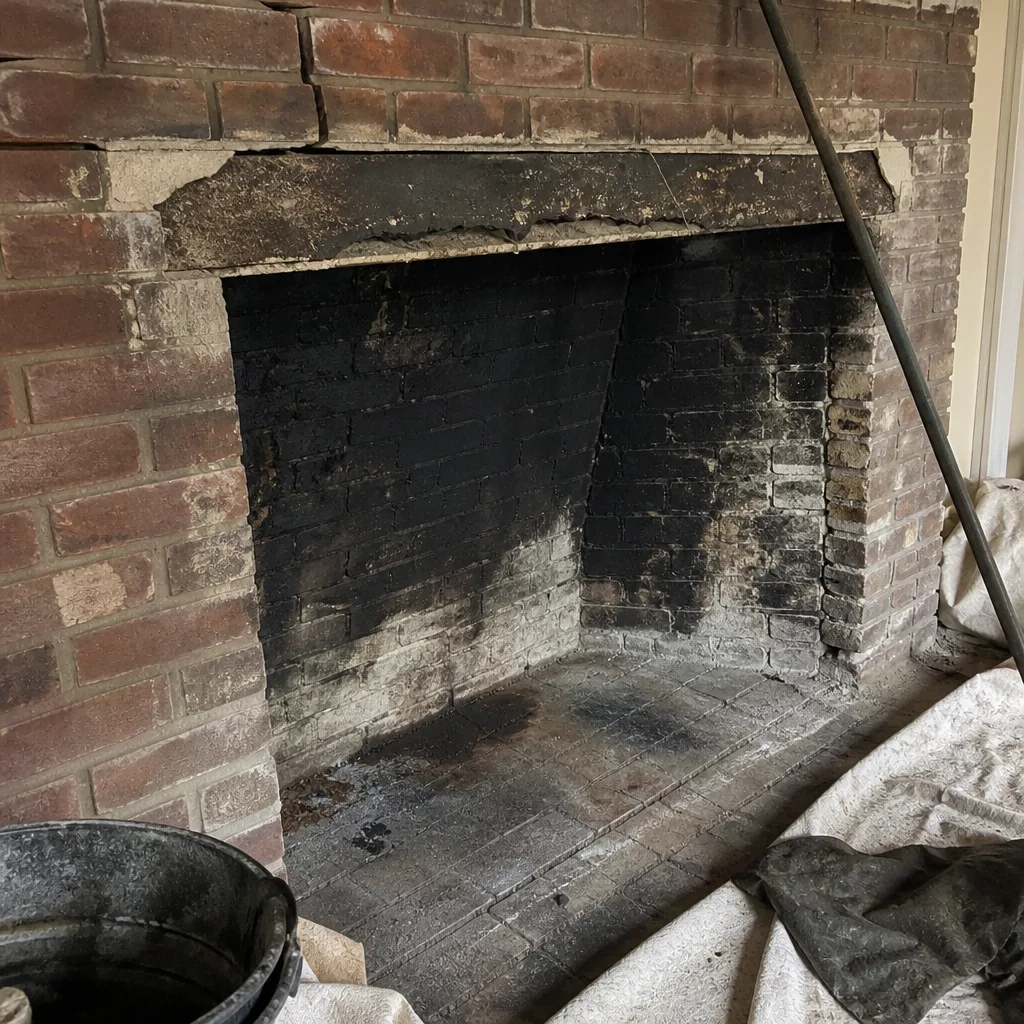 Before
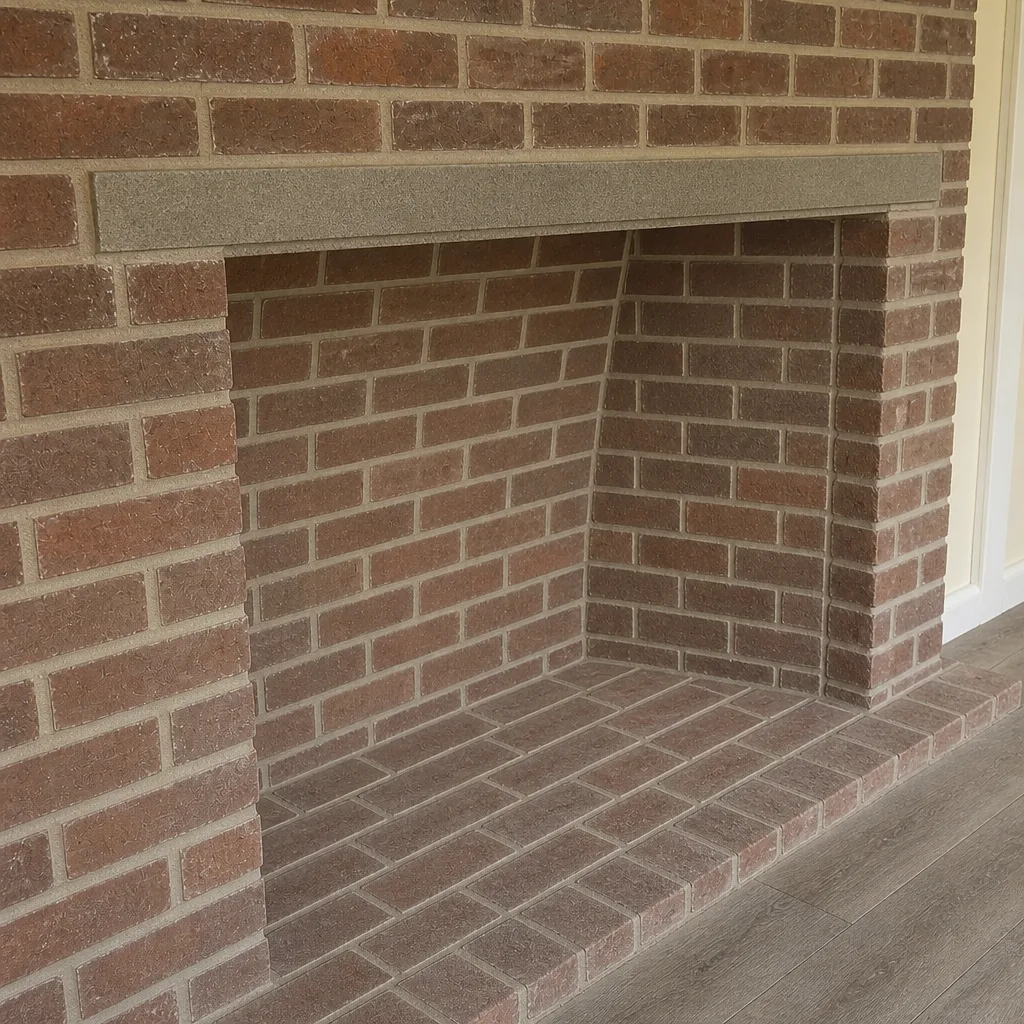 After
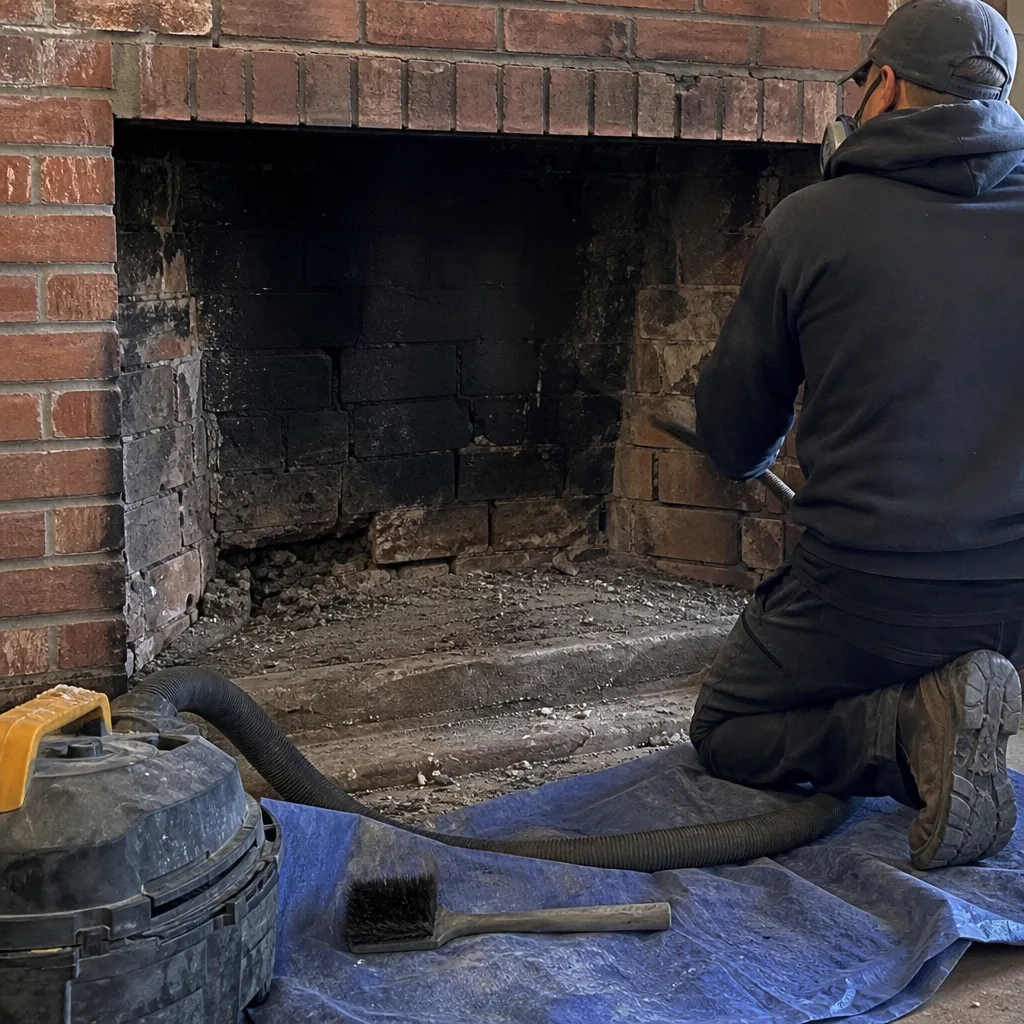 Before
 After
 Before
 After
When to Call a Professional
Some chimney work is a professional call, and it’s worth saying plainly which situations belong in that list. Call a technician if you’ve burned more than two cords this season and haven’t had the flue checked since fall. Call if you’ve noticed creosote buildup in the firebox or smoke backing into the room. Call if you see cracks in the crown, missing mortar, or a loose chimney cap, because that’s the start of water intrusion. Call if you’re buying or selling a home with a fireplace and need the system documented at NFPA 211 inspection levels. And call immediately if you smell gas from a gas fireplace, or if a chimney fire has occurred, even if it seemed to go out on its own. High-tension components and confined spaces make chimney work genuinely dangerous to attempt without training; this is not a DIY category.
Chimney Sweep Jackson Heights offers free estimates in Jackson Heights – call (866) 937-7175. We answer 24/7. Fast dispatch from 7am to 7pm, Sunday through Friday. Nothing is recommended without camera evidence you can see for yourself, and we’ll tell you when work can safely wait.
Frequently Asked Questions
Most chimneys should be swept once a year, typically before heating season, with an inspection each year and a check after any harsh winter that produced visible damage. Heavy wood burners above two cords per winter often benefit from a mid-season creosote assessment as well. If you’re not sure where you fall, a pre-season sweep and inspection will tell you how quickly your system builds creosote. Call (866) 937-7175 for an exact quote – estimates are free.
A typical chimney sweep in Jackson Heights runs in a moderate range for a standard flue and higher for a system with heavy or glazed creosote, additional flues, or repairs beyond the sweep itself. Because the work varies, we set the price per job from a written estimate rather than from a flat rate. You’ll know the number before we book. Call (866) 937-7175 for an exact quote – estimates are free.
Not every chimney needs a new liner, and the only honest way to answer is with camera evidence. If the flue lining shows cracks, gaps, or spalling, replacement or a HeatShield ceramic repair may be the right call – but we show you what the camera saw before recommending either. If the liner is sound, we say so. Some damaged liners can be repaired with HeatShield rather than fully replaced. Call (866) 937-7175 for an exact quote – estimates are free.
Creosote accumulates in the flue with every fire, and heavy or glazed buildup is a genuine fire risk. Skipping the sweep also means structural problems – a crown crack, a damaged liner, a failing damper – go undetected through the off-season, which is when moisture does the most damage. It’s a small maintenance action that prevents a much larger repair. Call (866) 937-7175 for an exact quote – estimates are free.
Summer is better. Every chimney sweep in Queens gets busy in October, so booking in summer or early fall, ideally by August, gets you onto the calendar without the wait and leaves time for any repair to be completed before heating season. There’s no benefit to waiting for the rush. Call (866) 937-7175 for an exact quote – estimates are free.
Look for hairline cracks or flaking on the crown, separation in the mortar joints, a loose or rusted cap, and any signs of water staining on the firebox or the chimney exterior. If any of those are visible, or if the chimney hasn’t been inspected since last year, schedule a post-winter inspection before spring rain sets in. A camera scan will show whether water has reached the flue. Call (866) 937-7175 for an exact quote – estimates are free.
The Bottom Line
Seasonal chimney care in Jackson Heights works best as a calendar, not a reaction. Winter damages the crown and mortar through freeze-thaw. Spring is the window to catch that damage before summer rain makes it worse. Summer is when an unused chimney picks up moisture in the flue and rust on the damper. And the pre-season window, ideally booked by August, is the single smartest appointment of the year. If you burn more than two cords, add a mid-January creosote check. Do those things in that order and the chimney keeps working without surprise rebuilds. Skip them and you find out what’s wrong on the coldest night of the year, when the calendar is already full.
Ready to get on the calendar? Call (866) 937-7175. We answer 24/7. Fast dispatch from 7am to 7pm, Sunday through Friday. Estimates are free, and nothing is recommended without camera evidence you can see for yourself.
Written by the team at Chimney Sweep Jackson Heights.