
Last updated November 22, 2026
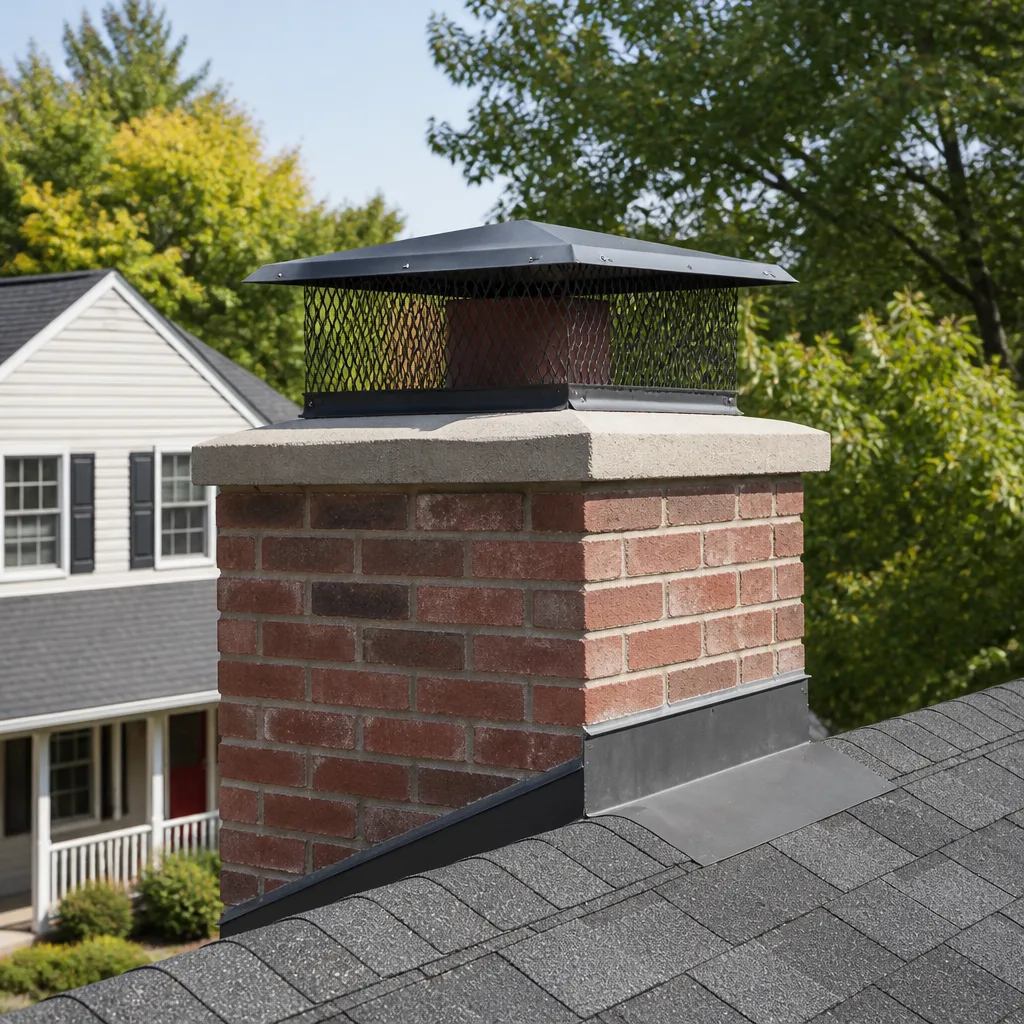 Sweep & inspection
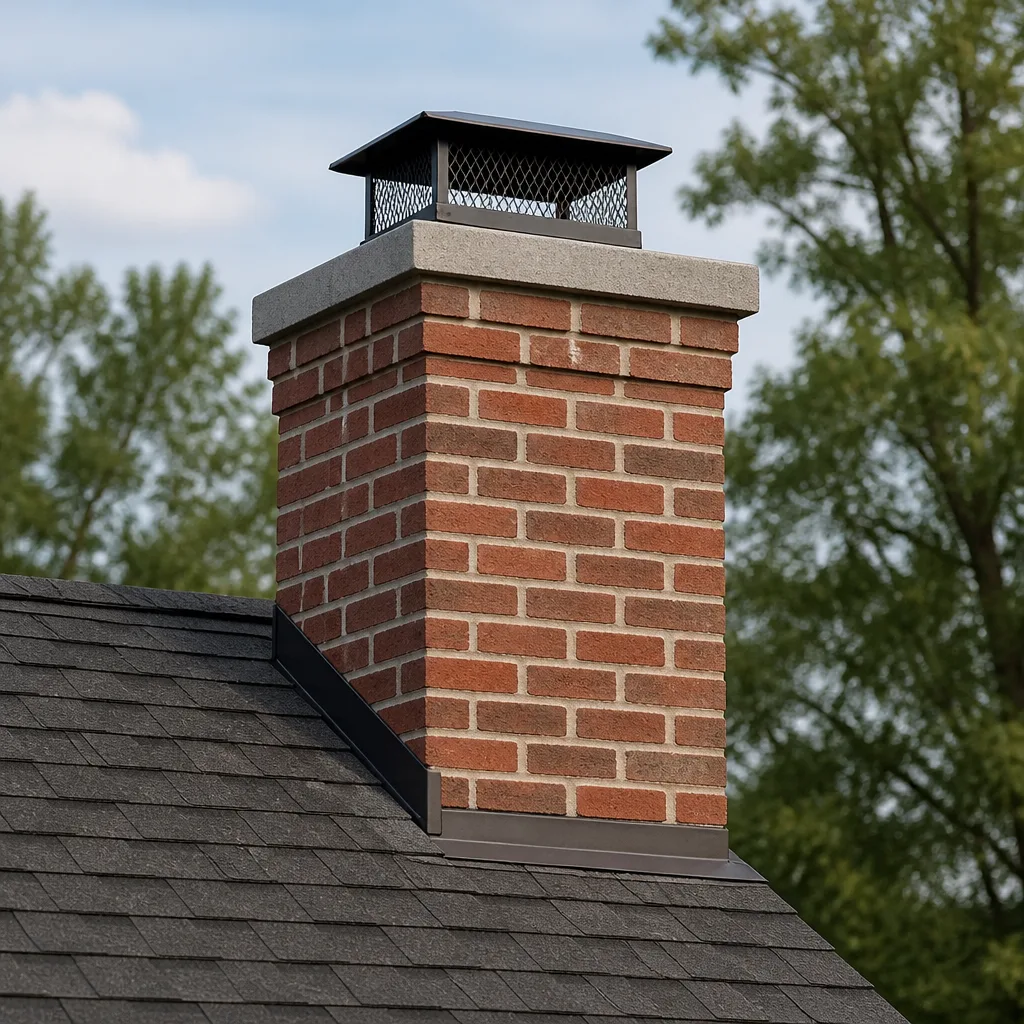 Caps & crowns
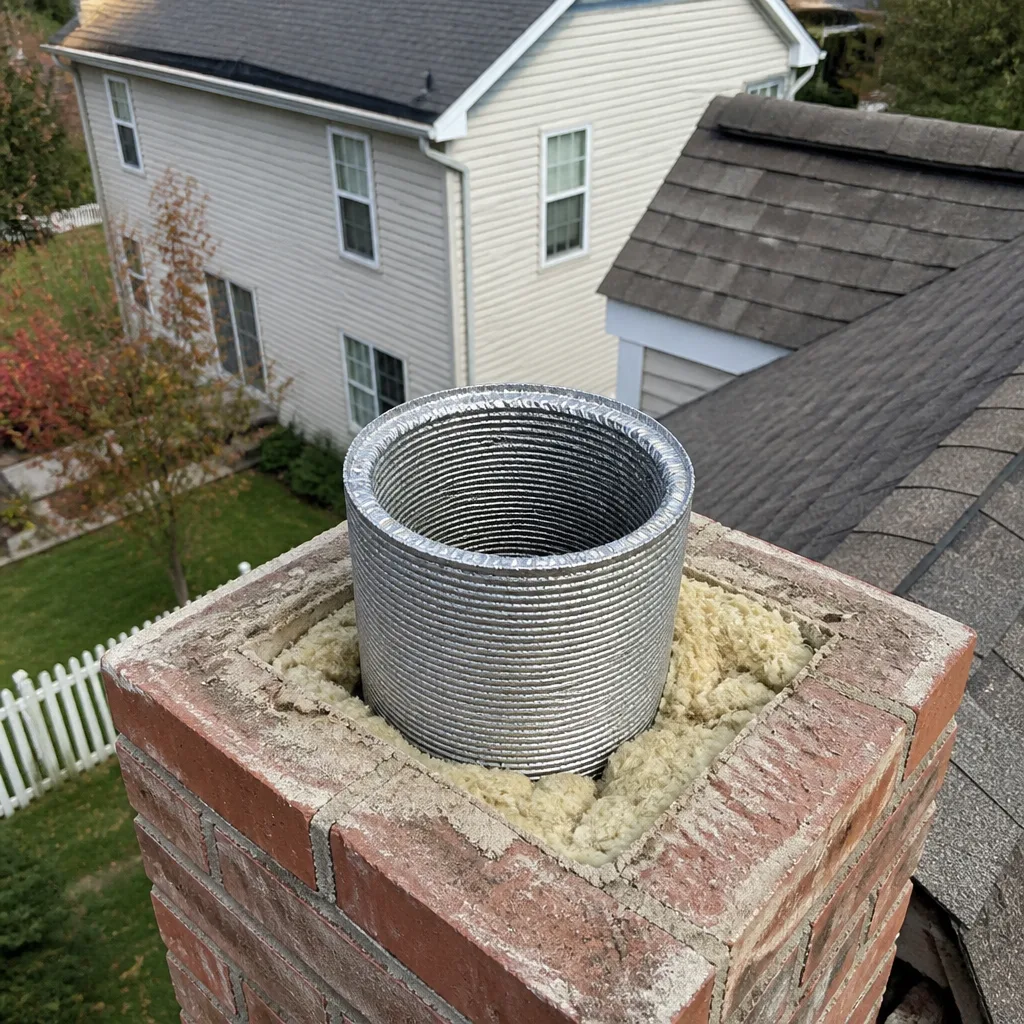 Flue relining
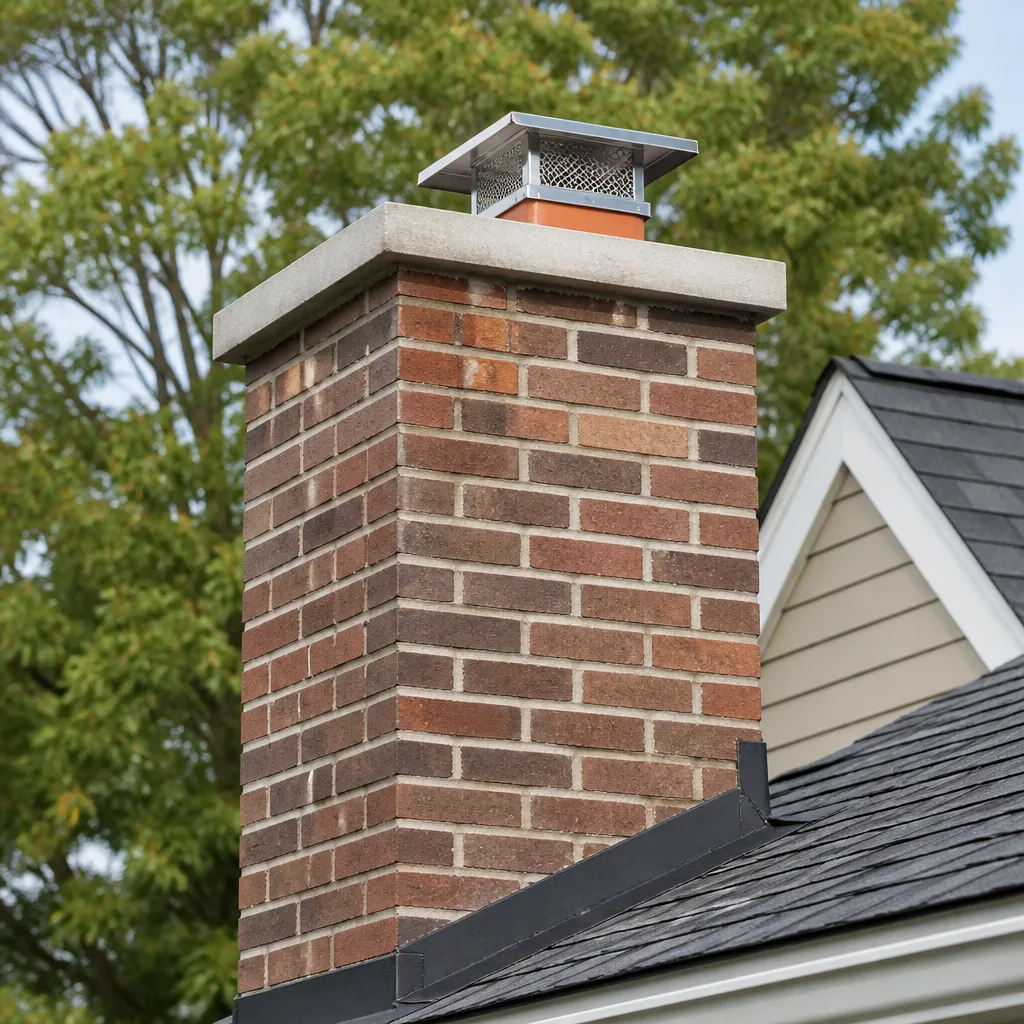 Masonry repair
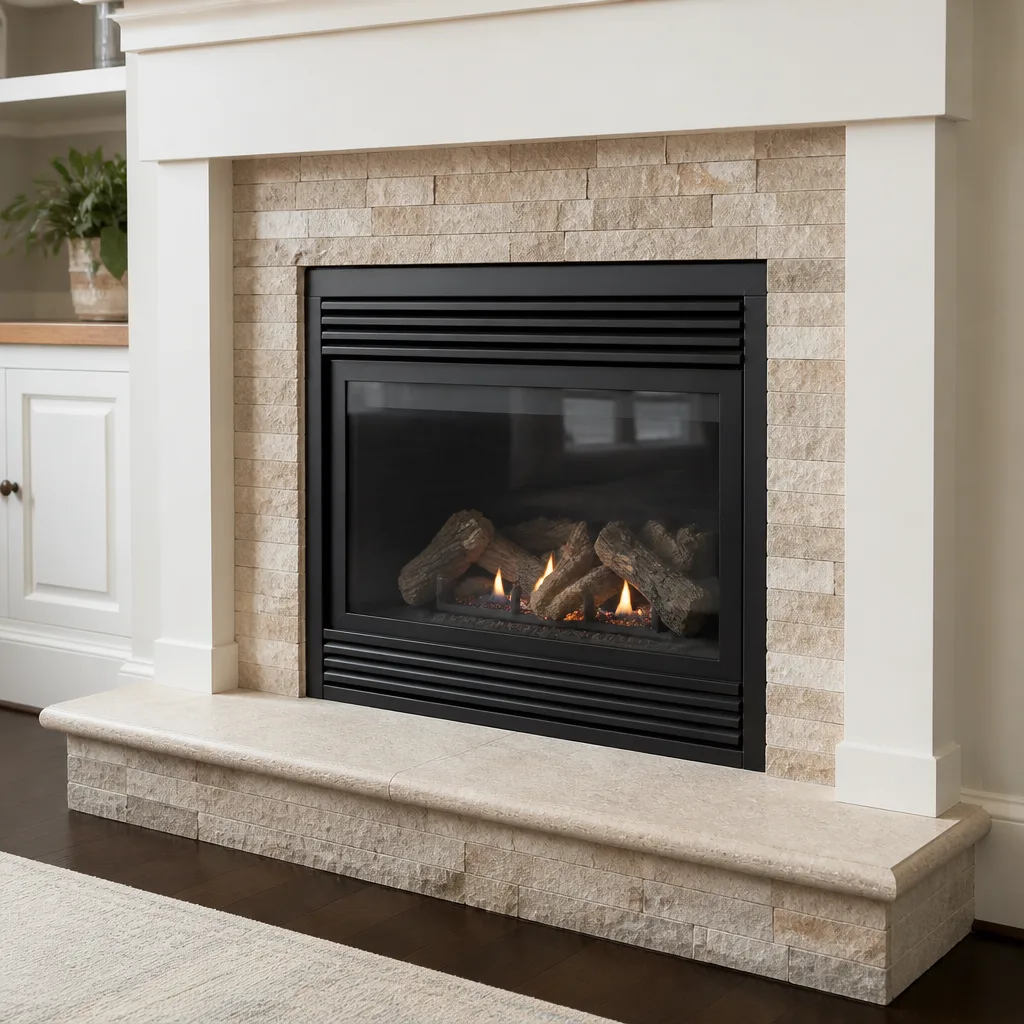 Gas fireplace service
Level 1 sweep and inspection to the NFPA 211 annual standard - flue, crown, cap, and flashing checked and photographed
Chimney sweep logs do not sweep chimneys. They loosen some creosote - which then falls where a brush and vacuum still have to collect it.
How to Hire a Chimney Cleaning Contractor in Jackson Heights: A Step-by-Step Guide
Most people hire a chimney sweep the way they hire a handyman: whoever answers the phone first and quotes the lowest number. That’s the wrong instinct here. Sweeping is a small job attached to a system with real failure points – a cracked flue tile, a rusted damper, a crown that’s pulling away from the stack – and a generalist who runs a brush down the flue has no way to tell you which of those you have. The credential that separates a specialist from an add-on is easier to check than most homeowners realize, and it takes about five minutes. This guide walks you through the credentials that matter in Jackson Heights, the questions to ask before you book, how to read a written estimate line by line, and what a post-service report should actually tell you.
Quick Answer
Hire a chimney contractor in Jackson Heights by verifying three things before anyone touches your flue: a CSIA Certified Chimney Sweep credential, NFI certification if you have a gas or wood fireplace insert, and current NYC DOB registration for the work being performed. Then ask what camera they use, whether they carry their own HEPA vacuum, and whether the written report is included in the quoted price. A legitimate estimate itemizes inspection, sweeping, and documentation separately; a lowball quote usually folds all three into one number so you can’t tell what you’re paying for.
Styles & brands we work with
- Sweep & inspection
- Caps & crowns
- Flue relining
- Masonry repair
- Gas fireplace service
Table of Contents
- The Three Credentials That Actually Matter
- How to Verify Each Credential in Under Five Minutes
- Questions to Ask Before You Book
- Red Flags Unique to the Jackson Heights Market
- How to Read a Chimney Job Estimate
- How to Read a Post-Service Report (NFPA 211 Ratings)
- Why a Chimney Specialist Beats a Generalist
- Common Mistakes to Avoid
The Three Credentials That Actually Matter
Chimney work sits at the intersection of fire safety, venting science, and building code, and there are three credentials in the trade that map to those three things. None of them is a certificate you print at home.
CSIA Certified Chimney Sweep. The Chimney Safety Institute of America credential requires passing a written exam covering venting, code, and combustion, plus a hands-on evaluation of sweeping and inspection practice. It also requires ongoing recertification. A CSIA number is the single most reliable signal that the person at your firebox was trained for that job specifically.
NFI certification. The National Fireplace Institute certifies technicians in gas, wood, and pellet hearth appliances. If you have a gas insert, a wood stove insert, or a factory-built fireplace, NFI certification tells you the technician understands the appliance, not just the flue above it. A sweep who only knows masonry chimneys is not the right person for a gas insert service call.
NYC DOB registration. Any contractor performing work in New York City needs current registration with the Department of Buildings. For chimney work this matters most on repairs – a crown rebuild, a reline, masonry pointing – where the work touches the structure of the building. Ask for the registration number and check it on the DOB’s public license lookup.
In our experience in Jackson Heights, the contractors who can produce all three on request are a small fraction of the people advertising chimney work in Queens. The ones who can’t will usually pivot to “we’ve been doing this for years” rather than answer the question.
How to Verify Each Credential in Under Five Minutes
All three credentials are publicly verifiable without a phone call to the contractor. Here’s the sequence to run before you book:
- CSIA number. Ask for the technician’s CSIA certification number, then look it up in the CSIA’s online certified sweep directory. The listing shows the credential status and whether it’s current.
- NFI number. If your appliance is gas, wood, or pellet, ask for the NFI certification number and the specialty (gas, wood, or pellet). Verify it against the NFI’s current certified list.
- NYC DOB registration. Ask for the contractor registration number and look it up on the DOB’s public license search. Confirm the name matches the business that issued your estimate.
- Insurance. Ask for a certificate of insurance and confirm it names the registered business, not an individual. A contractor who can’t produce one isn’t carrying general liability.
None of this requires driving anywhere. If a contractor can’t produce documentation for claims they’re making, they’ve told you something useful about how they run the business.
Questions to Ask Before You Book
The scope of a chimney service is defined by the equipment and methods the technician brings, so ask before you book rather than after they’ve arrived.
- What camera system do you use for the inspection? A video scan of the flue interior is the only way to document joint cracks, spalling, and hidden damage. A technician who relies on a flashlight and a mirror from the firebox is inspecting the bottom few feet, not the flue.
- Do you carry your own HEPA vacuum? A proper sweep seals the firebox opening and captures the dust with a vacuum rated for fine ash. A shop vac without a HEPA filter just redistributes it into your living room.
- What’s your process for glazed creosote? A standard brush won’t remove glazed creosote – it’s a hard, tar-like deposit that has undergone a chemical change on the flue wall. The standard method is a chemical treatment applied to soften it, followed by a mechanical sweep – sometimes over two visits. Ask how they stage it and what they’ll do if the first pass doesn’t clear it.
- Is a written inspection report included, and at what level? A sweep without a report is a service you can’t evaluate and neither can the next contractor. Ask what condition ratings the report uses and whether photos come with it.
- Do you work on the fireplace appliance or only the flue? Chimney repair and fireplace repair are separate skill sets, and a contractor who handles both saves you from coordinating two trades for one problem.
We work on the whole system – from the firebox to the crown – which means one call covers sweeping, inspection, cap and crown, liner systems, masonry, and the fireplace itself. When you call a specialist, you find out the difference between a sweep who can diagnose the system and a handyman who can’t.
Red Flags Unique to the Jackson Heights Market
Jackson Heights has a particular contractor market. The neighborhood’s dense housing stock – brick apartment buildings, two- and three-family homes, and former single-family houses carved into smaller units – produces a steady demand for chimney work. That demand draws generalists who list chimney work alongside gutter cleaning and pest control. Here’s what to watch for:
- Vague scope of work. “Sweep and clean chimney” with no reference to what’s being inspected, what level of inspection is performed, or what the report will contain. A specialist describes the work in terms of flue dimensions, access points, and condition ratings.
- No written report included. A legitimate sweep includes a written inspection report as part of the visit. A contractor who charges for the report separately is hiding the inspection in the fine print, or not performing one.
- Liner replacement on the first visit without camera documentation. This is the most common upsell in the trade. A full liner replacement costs thousands, and it should never be recommended without a video scan that shows the specific damage. If the technician says “your liner is shot” without showing you the footage, ask to see it. Our team provides a photo report as part of every service, and nothing is recommended without camera evidence you can see yourself.
- Unmarked vehicles and no business address. A legitimate chimney contractor operates a registered business. Unmarked vehicles and a phone number that resolves to a voicemail are common in the seasonal market here.
- Quotes delivered on the spot without a written estimate. Any repair work should be scoped in writing with a fixed price, not a verbal number in your living room.
- No CSIA or NFI credentials. As noted, ask for the numbers before anyone touches the flue. In a neighborhood full of generalists, it’s a useful filter.
How to Read a Chimney Job Estimate
A chimney estimate should itemize the work so you can see what you’re paying for. Here’s what a legitimate estimate contains versus what’s missing from a lowball quote:
What a legitimate estimate itemizes:
- Inspection level. Whether it’s a Level 1 (visual, accessible portions), Level 2 (video scan of the flue), or Level 3 (diagnostic, areas of concealed damage).
- Sweeping scope. Which flue, access point, and method – standard brush, chemical treatment, or both.
- Report and photo documentation. Whether the written report and photos are included in the price.
- Repair scope if the inspection finds an issue. Itemized repairs with materials named (e.g., DuraFlex liner for a reline, HeatShield for a ceramic flue repair, Copperfield or Olympia Chimney components for venting).
- Fixed price per job. The written estimate should state a fixed price, and the final price is set by that estimate.
What’s missing from a lowball quote:
- The inspection level. Usually the lowball quote is a Level 1 sweep with no video.
- Whether the report is included.
- Whether repair work will be quoted separately – or whether it’ll be discovered “during the visit” at premium prices.
- Material brands. A quote that doesn’t name the liner product is a quote for “a liner,” which could mean anything.
For a chimney sweep in Jackson Heights, the fair approach is an itemized estimate with a fixed price. Our estimates are free and the price is set per job by the written estimate, not by what’s discovered once we’re on the roof.
How to Read a Post-Service Report (NFPA 211 Ratings)
NFPA 211 is the national standard for chimneys, fireplaces, vents, and solid fuel-burning appliances, and it’s the framework a proper inspection report uses. Three condition ratings matter most:
- Serviceable. The component is in working condition and doesn’t require immediate action. A serviceable liner, for example, means the flue is intact and the draft is functioning as intended – no action needed now, but keep up routine sweeps.
- Needs repair. The component has a defect that should be addressed on a defined timeline, but isn’t an immediate safety hazard. A crown with early cracking, a damper that doesn’t close fully, or a cap with a missing screen fall here. The report should say what the defect is, what it means for the system, and what the repair involves.
- Do not use. The component has a defect that makes the system unsafe to operate – typically significant flue damage, a blocked flue, or a masonry failure that has compromised the containment. This rating means stop using the fireplace until the repair is complete.
The key question to ask about any “needs repair” or “do not use” finding is: what’s the evidence? A video scan should show the defect. Photos should document it. A report that says “liner needs replacement” with no image is not a report; it’s an upsell. Our service includes camera inspection and a photo report as part of the visit so you can see the same footage the technician sees. Repair work is quoted in writing with a fixed price before anything starts.
Why a Chimney Specialist Beats a Generalist
Chimney work is a specialty, not a trade adjacent to something else. The reasons matter for your hiring decision.
The system spans from the firebox to the crown, and the components interact. A reline affects draft. A crown replacement affects water intrusion at the top of the stack. A cap affects both draft and wildlife entry. A sweep who only knows brushes is guessing at the system level. A specialist who works on the whole chimney and fireplace together, with the right materials, can quote the whole scope in one estimate instead of referring you to two other trades.
The materials signal this. We work with a professional-grade portfolio that most generalists can’t match: DuraFlex flexible liner systems, HeatShield ceramic flue repair, Copperfield and Olympia Chimney supply, Gelco and Famco venting components. HeatShield is a good example of what a specialist can offer – a ceramic repair system that extends the life of a flue without full reliner replacement, and a solution most generalists don’t have access to or don’t know exists. When a generalist says “your liner needs replacement,” a specialist can tell you whether a HeatShield repair is the right answer instead.
Our technicians have up to 10 years of experience. That’s experience on the specific work, on the whole system, with the materials the work actually requires. If you’re comparing a generalist against a specialist, ask the generalist which HeatShield repair method is compatible with your flue lining. The answer is usually silence.
Common Mistakes to Avoid
- Hiring on price alone. A $99 sweep quote often means no inspection was performed. Then next season’s quote is for a liner replacement, justified by damage that wasn’t documented. Ask what’s included in the price before you compare.
- Skipping the CSIA check. In Jackson Heights, generalists far outnumber certified specialists. Skipping the CSIA number check is the fastest way to end up with an unswept flue and a report that says nothing.
- Not asking about camera equipment. A sweep that inspects with a flashlight is inspecting perhaps the bottom 15 percent of the flue. The remaining 85 percent is where the problems usually live.
- Approving repair work without photos. Any “needs repair” or “do not use” finding on a report should come with evidence. If the technician can’t show you the footage, decline the work until you can see it.
- Ignoring “serviceable” findings. A serviceable rating doesn’t mean the system is maintenance-free. Routine sweeping keeps a serviceable flue serviceable, and skipping it is how serviceable becomes “needs repair.”
- Assuming the landlord’s contractor is fine. Rental properties in Jackson Heights often share a chimney but not a contractor. If you’re the tenant, ask the landlord for the report – a “do not use” rating applies to the fireplace in your unit, not the building’s.
- Booking the lowball quote on a first visit. A contractor who quotes a liner replacement on the first visit before the inspection is done is quoting from a script. Get the report first, then compare.
See the difference
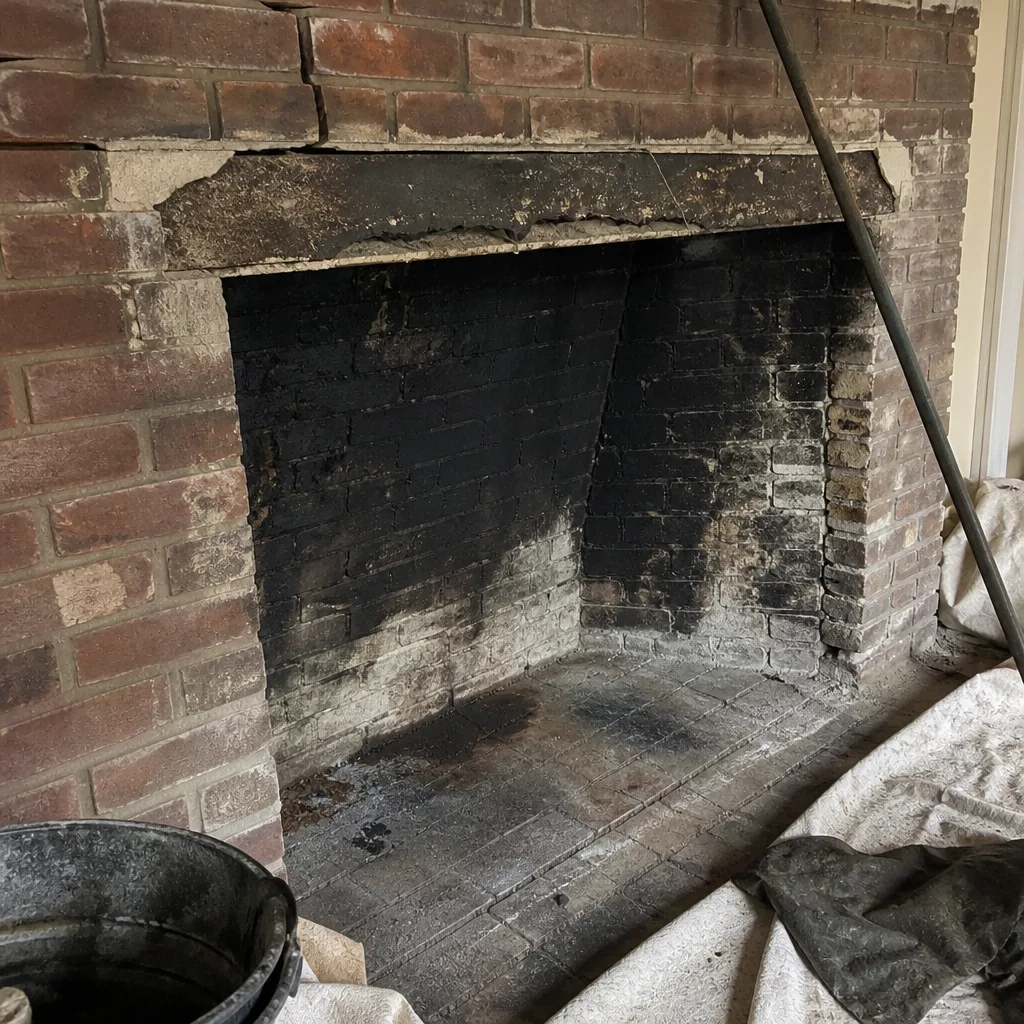 Before
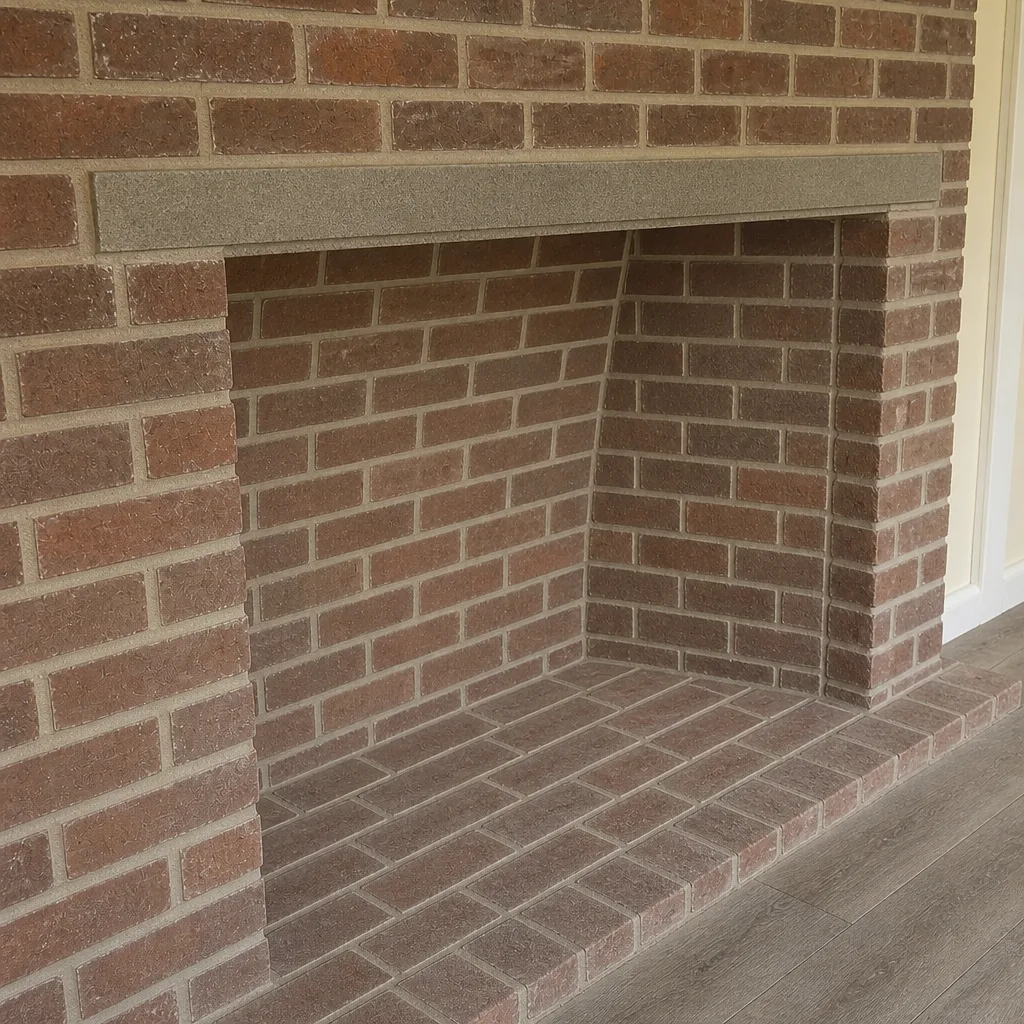 After
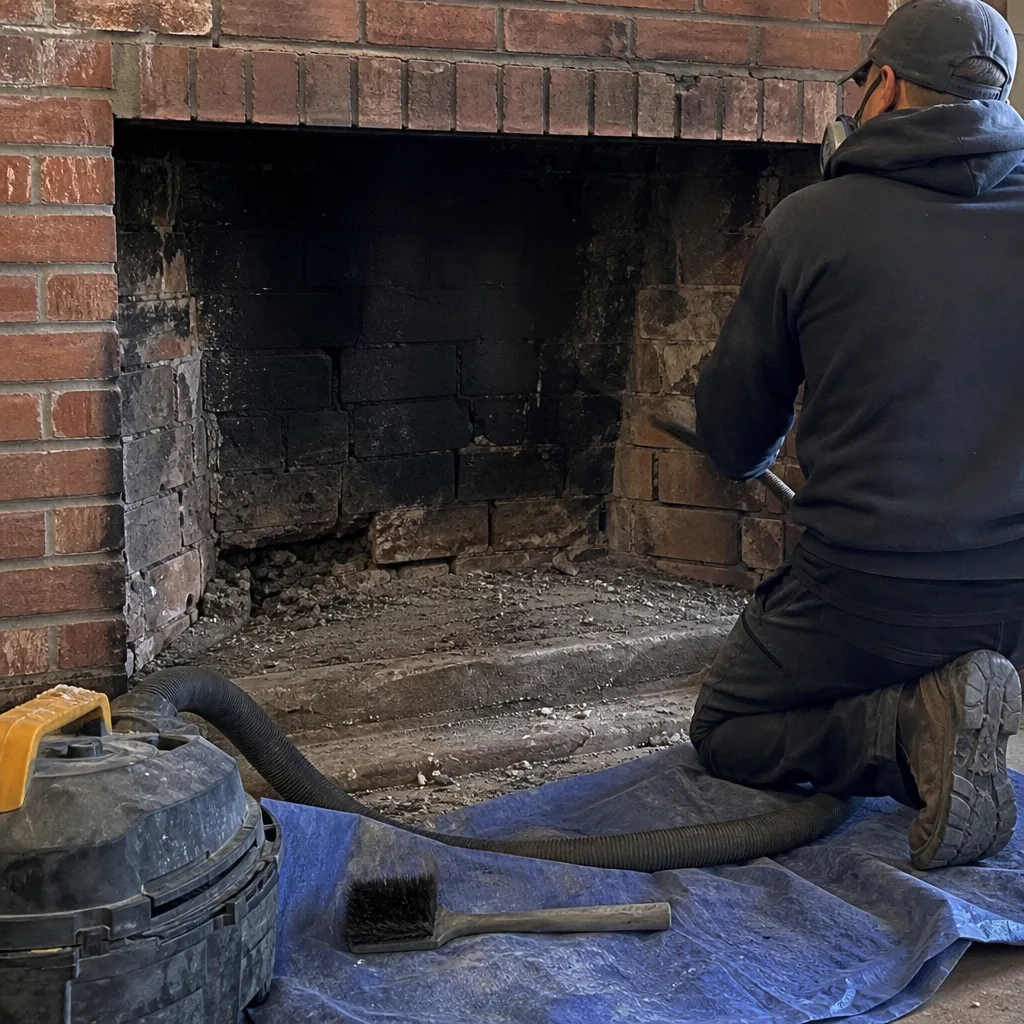 Before
 After
 Before
 After
When to Call a Professional
Not every chimney issue is urgent, and one of the useful things a specialist will tell you is when work can wait. The situations that justify a call now are specific:
- A strong creosote smell or visible soot stains on the firebox face.
- A fire that smokes into the room instead of drafting up the flue.
- A cracked or missing chimney cap, or a crown that’s visibly separated from the stack – these let water in and compound damage quickly.
- A masonry crack, spalled brick, or a leaning stack.
- A gas fireplace that won’t light, or a damper that sticks.
For annual maintenance, a sweep is the routine service that keeps the system serviceable. Our team offers free estimates in Jackson Heights and can evaluate whether your situation is routine or urgent – call (866) 937-7175. We answer 24/7. Fast dispatch from 7am to 7pm, Sunday through Friday.
Frequently Asked Questions
Ask for the CSIA certification number, the NFI number if you have a gas or wood appliance, and the NYC DOB registration, then verify each one against the CSIA directory, the NFI’s certified list, and the DOB’s public license search. None of these checks requires a phone call, and a legitimate contractor will provide them without hesitation. A contractor who can’t produce any of the three is not the right person for chimney work.
You need a camera inspection on any flue that hasn’t been scanned, on any reline or repair recommendation, and on any flue that has had a fire or water intrusion. A visual sweep with a flashlight and mirror sees the firebox and the bottom of the flue only. The camera scan is what documents joint cracks, missing mortar, and liner damage – the things that actually determine whether the flue is safe. Our service includes the camera inspection and a photo report as part of the visit.
Sometimes, yes. HeatShield is a ceramic flue repair system that restores the interior lining without removing and replacing the flue, and it’s a good fit where the damage is localized or where the flue tiles are intact enough to be resurfaced. It’s not the right answer for a flue with significant structural damage or missing tiles, and no honest contractor will tell you it is. The way to know which you have is the camera footage. Once we see the flue, we can quote the right scope. Call (866) 937-7175 for a free estimate.
For a wood-burning fireplace or stove used regularly through the heating season, annual sweeping is the standard, and it’s the interval NFPA 211 aligns with. For a gas fireplace, annual servicing is also the norm, though gas produces far less creosote – the inspection is more important than the sweeping. The two variables that change the schedule are the amount of wood burned and the condition of the flue. A flue that’s already rated “needs repair” gets swept and evaluated on the repair timeline, not the annual one.
The creosote in the flue builds up and eventually glazes onto the walls of the flue. Glazed creosote is harder to remove than loose soot, requires a chemical treatment before sweeping, and increases the risk of a chimney fire because it ignites at a lower temperature than a clean flue. Skipping a sweep also means missing the inspection that catches cracks and liner damage – the problems that get expensive when they’re caught late. A regular sweep keeps a serviceable flue serviceable; skipping it is how a small repair becomes a rebuild.
You need a new liner if the video scan shows specific damage: cracked or missing flue tiles, gaps in the joints that let heat reach combustible material, or a rusted-out factory liner. You don’t need a new liner based on a verbal assessment with no footage. Ask to see the scan. If the contractor can’t show you the exact location of the damage, decline the work until you can get a second opinion. Call (866) 937-7175 and we’ll include the camera report with the estimate so you have documentation to compare.
The Bottom Line
Hiring a chimney contractor in Jackson Heights comes down to three checks and one question. Check CSIA certification, NFI certification if you have a gas or wood appliance, and NYC DOB registration – all three are publicly verifiable in under five minutes. Then ask what camera system they use and whether the written report is included in the price. The estimate should itemize inspection, sweeping, and documentation separately, and any repair recommendation should come with photo evidence you can see. When you compare a generalist against a specialist, the difference usually shows up in the report – and in the materials. HeatShield, DuraFlex, Copperfield, and Olympia Chimney are specialist tools; a generalist doesn’t stock them because the work doesn’t call for them.
Call (866) 937-7175 for a free estimate. We answer 24/7. Fast dispatch from 7am to 7pm, Sunday through Friday. Estimates are free and the price is set by the written estimate.
Written by the team at Chimney Sweep Jackson Heights.