
Last updated November 22, 2026
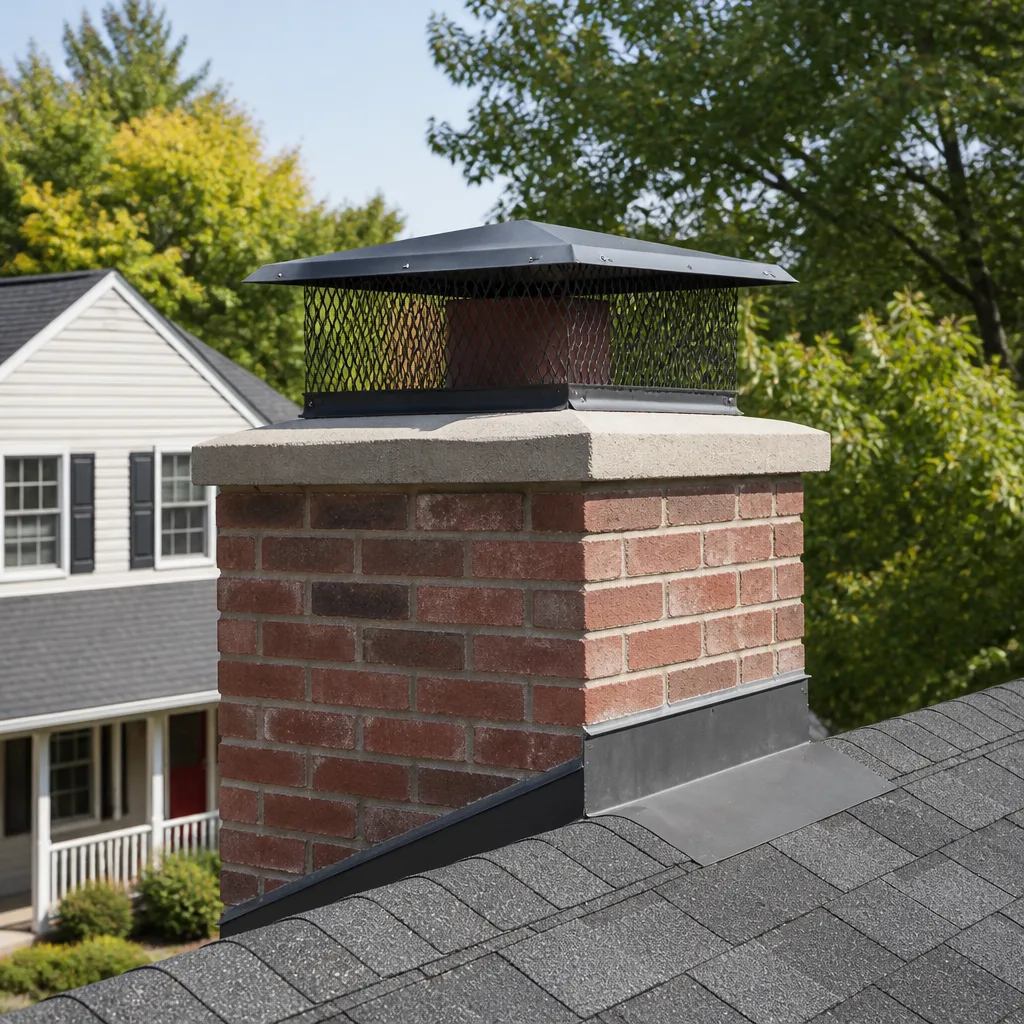 Sweep & inspection
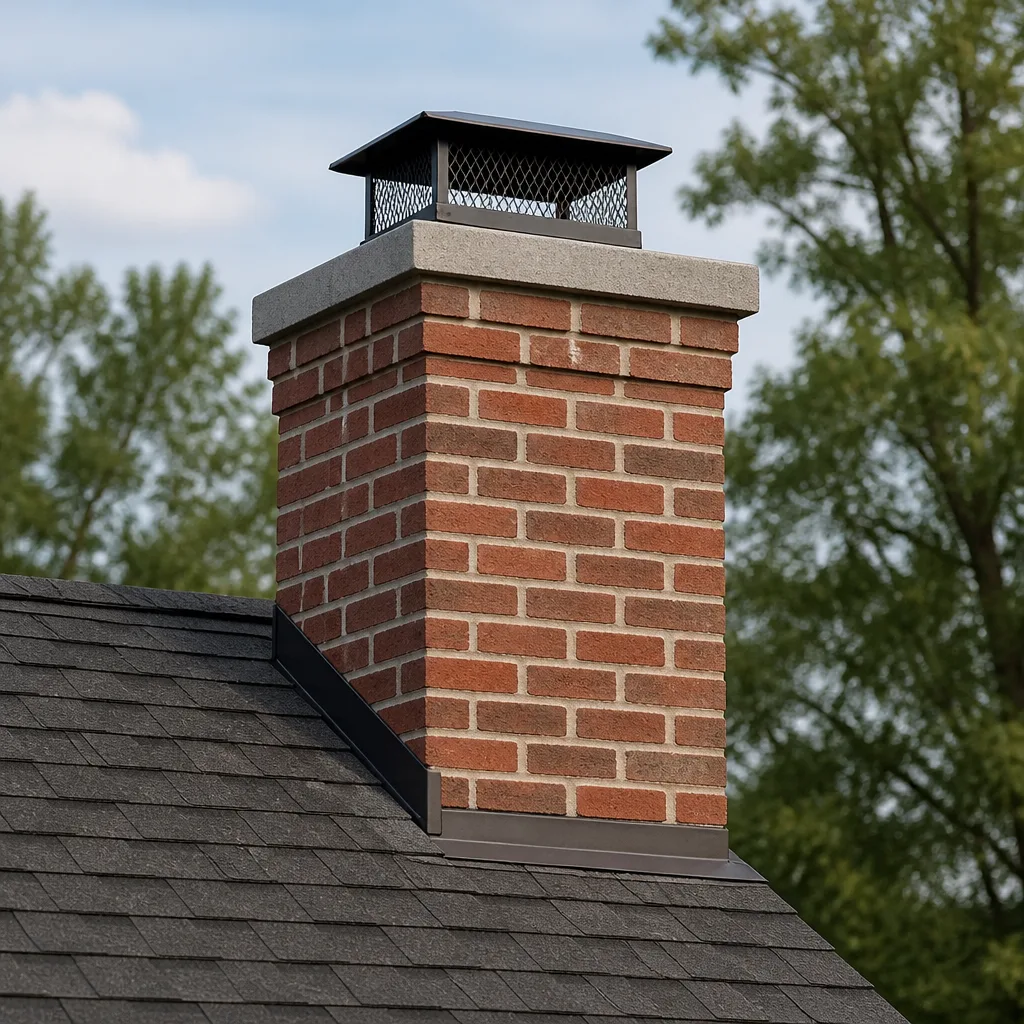 Caps & crowns
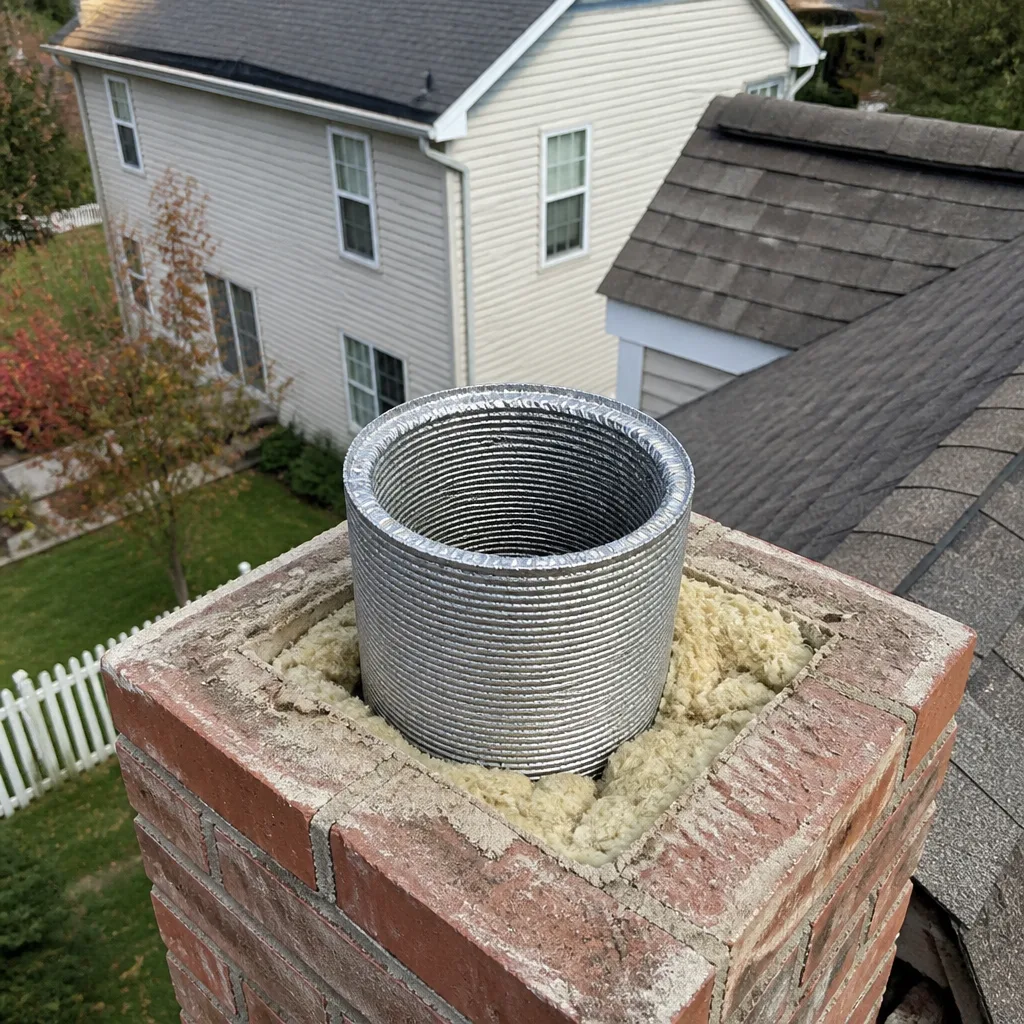 Flue relining
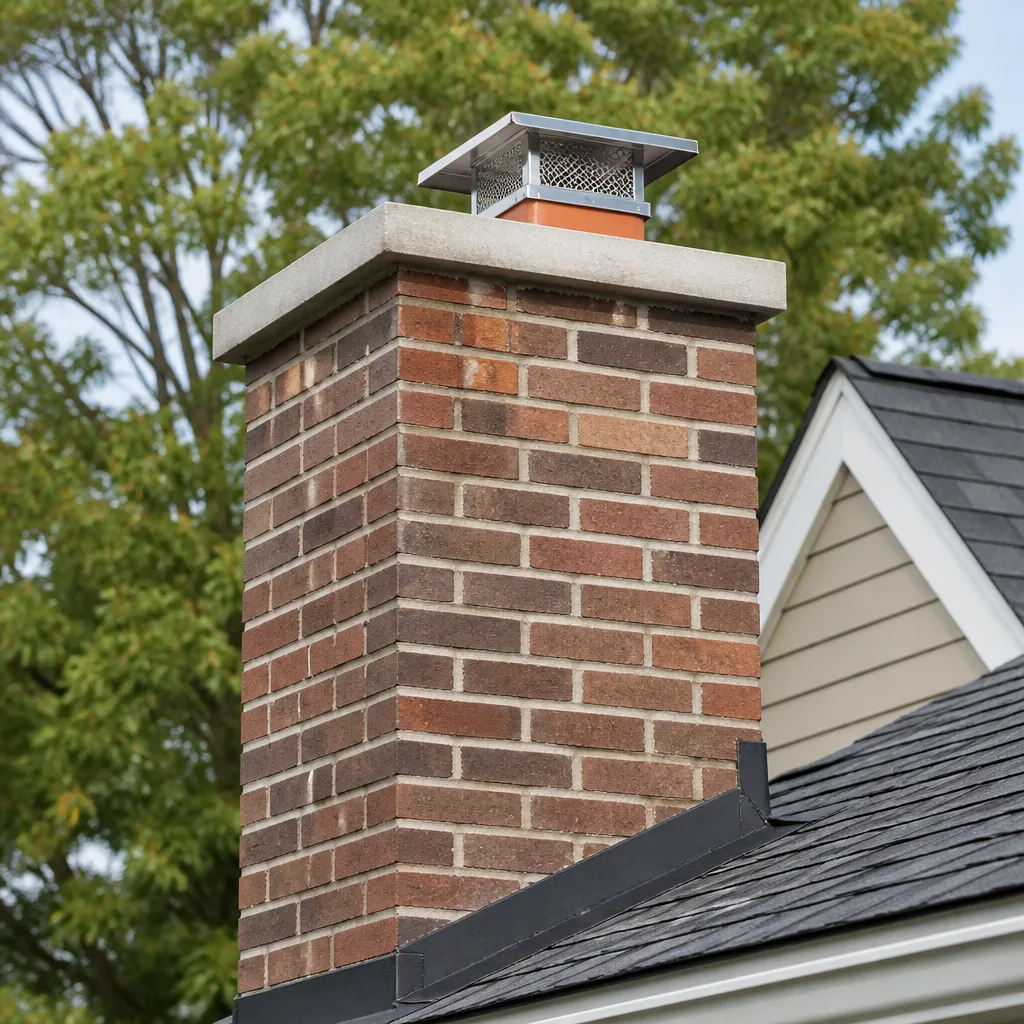 Masonry repair
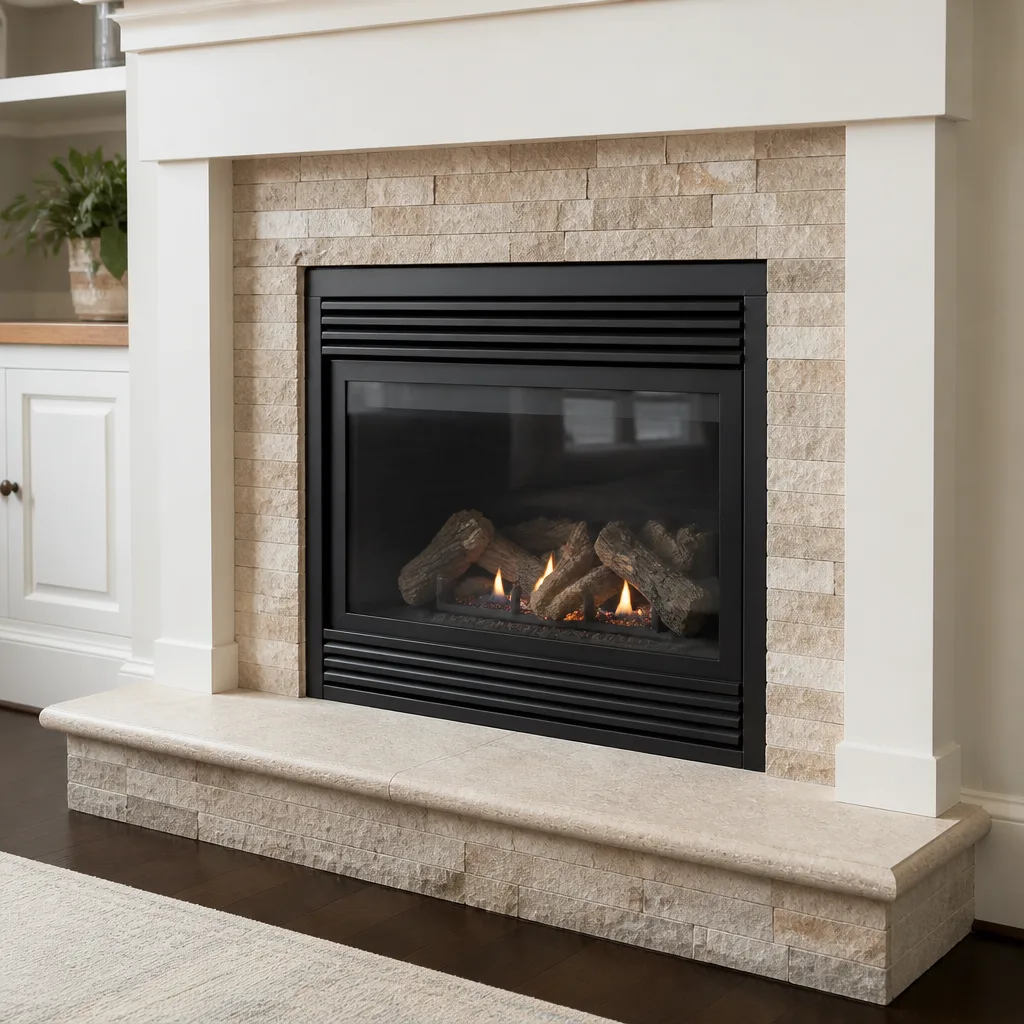 Gas fireplace service
Level 1 sweep and inspection to the NFPA 211 annual standard - flue, crown, cap, and flashing checked and photographed
Chimney sweep logs do not sweep chimneys. They loosen some creosote - which then falls where a brush and vacuum still have to collect it.
Chimney Cleaning Warning Signs: A Jackson Heights Homeowner’s Reference Guide
A white stain running down your chimney’s exterior brick isn’t a cosmetic issue. It’s efflorescence, and it’s telling you that water is already moving through your masonry and has been for at least one full freeze cycle. Most chimney problems announce themselves long before anything dramatic happens. The trouble is that the signs get misread. Homeowners in Jackson Heights see rust and think they need a new damper, see smoke rolling into the room and think the flue just needs a sweep, or scrub off mineral staining and assume the problem is solved. This guide maps the specific, observable signs you can see from your own living room or backyard to the underlying problem each one actually points to, so you can describe what you’re seeing accurately and understand what category of repair you’re dealing with. From the firebox to the crown, we work on the whole system, and here’s how to read it.
Quick Answer
The most reliable early warning signs of a chimney that needs attention are white mineral staining (efflorescence) on exterior brick, rust on the damper or firebox walls, smoke rolling back into the room, crumbling mortar or flaking brick inside the firebox, and odors that shift with the season or with the burn itself. Each sign points to a different underlying problem, ranging from water infiltration through the crown to a failing liner or a creosote buildup. A professional inspection confirms which one you’re facing before anything gets repaired.
Styles & brands we work with
- Sweep & inspection
- Caps & crowns
- Flue relining
- Masonry repair
- Gas fireplace service
Table of Contents
- Efflorescence: What White Staining on Your Brick Really Means
- Smoke Rollback: The Five Causes and How to Tell Them Apart
- Spalling Brick and Mortar Dropout: Normal Aging vs. Active Deterioration
- Rust on the Damper and Firebox: Always a Symptom, Never the Problem
- Odors by Season: What Each Smell Is Telling You
- Creosote Stages: The Warning Sign You Can’t See
- Inspection Levels and What Each One Covers
- A Step-by-Step Self-Check Before You Call
Efflorescence: What White Staining on Your Brick Really Means
Efflorescence is the chalky white or gray mineral deposit you sometimes see on masonry. It forms when water moves through brick or mortar, dissolves salts held inside the material, and then evaporates at the surface, leaving the salts behind as a visible crust. The staining itself is harmless. What it confirms is not. Water is actively traveling through the masonry, and it’s coming from somewhere. In a Jackson Heights chimney, that path almost always traces back to the crown or the cap.
The crown is the concrete or mortar cap at the very top of the chimney that sheds water away from the flue. When it cracks, or when it was never built with a proper drip edge, water gets into the masonry from above and works its way down. A missing or damaged chimney cap lets rain fall straight into the flue. Either way, the water is inside the structure, not just on it.
What makes efflorescence an inspection trigger rather than a cleaning job is what the water does after it enters. It doesn’t just freeze and thaw in the brick. It also reaches the liner. A clay tile liner that takes on water and then freezes can crack. A metal liner can corrode. The masonry itself spalls. So the white stain you’re seeing on the outside is a signal to look inside, at both the crown and the liner.
What to Do About Efflorescence
- Note where the staining appears and how far down the chimney it reaches. Staining concentrated near the top points to the crown; staining lower down can mean water is entering at a joint or flashing.
- Look at the crown from the ground with binoculars if you can. Cracks, a rough surface, or a crown that sits flush with the flue rather than sloping away from it are all confirmation of a water path.
- Check whether a cap is present and intact. A cap that’s missing, rusted through, or sitting loose on the flue is letting water straight in.
- Book a chimney inspection rather than a power-wash. The wash removes the evidence and does nothing about the source.
Water intrusion is usually correctable, and correcting it before it reaches the liner is what keeps an inexpensive crown repair from turning into a relining project. Our chimney cap & crown work addresses exactly this. When the crown does need replacing, we set it with a proper slope and drip edge so water sheds away from the masonry instead of into it.
One more thing worth knowing about Jackson Heights specifically: our cycles of freeze and thaw through the winter are brutal on masonry that’s holding moisture. Water expands when it freezes, and that expansion is what turns a hairline crack into a spalled brick. That’s why efflorescence is a “deal with it before the next cold snap” sign, not a “get to it eventually” sign.
Smoke Rollback: The Five Causes and How to Tell Them Apart
Smoke spilling into the room instead of going up the flue is one of the most common calls we get, and it’s also one of the most misdiagnosed. Five distinct problems produce the same visible symptom. Before you call a sweep, understanding which one you’re likely facing helps you describe it accurately and avoids unnecessary work.
The Five Causes
- Negative pressure. Your house is tighter than your chimney. Bathroom fans, kitchen exhaust, or a well-sealed newer home can pull air down the flue. The chimney can’t draft if the house is fighting it for air.
- Closed damper. The simplest cause, and the most common. The damper is shut or only partly open, so smoke has nowhere to go but out the front.
- Cold flue. A flue that hasn’t been used in a while is full of cold air. Cold air is denser than warm smoke, so the smoke can’t push it up and out until the flue warms. This is why the first fire of the season often smokes and later fires don’t.
- Undersized liner. The liner is too small for the appliance’s flue collar, so it can’t carry the volume of smoke being produced. A wood stove hooked to an undersized liner is a classic case.
- Obstruction. Something is physically blocking the flue: a bird nest, a collapsed tile, a creosote blockage, or debris. This is the one you don’t want to guess at.
How to Tell Them Apart
- Open the damper fully and start a small, hot fire. If the smoke clears as the flue warms, you’re looking at a cold-flue issue or mild negative pressure.
- Turn off bath and kitchen fans and crack a window near the fire. If the smoking stops, negative pressure is the cause.
- If smoke rolls back consistently even with the damper open, fans off, and a hot fire established, suspect obstruction or an undersized liner. Both require a professional look.
- If the rollback started after a liner was installed or an appliance was changed, the liner size is the first thing to verify.
Cold flues and negative pressure are fixed with operating habits or small adjustments. Obstructions and undersized liners are not. A blocked flue, in particular, is dangerous: it can push carbon monoxide into the living space instead of up and out. If you can’t rule out obstruction, stop burning and get the flue checked. This is the point where a professional eye matters, and it’s one reason we treat chimney inspection as its own service rather than an upsell tacked onto a sweep.
Spalling Brick and Mortar Dropout: Normal Aging vs. Active Deterioration
Inside the firebox, brick and mortar take heat and moisture cycles that no other part of your house sees. Some wear is normal. Some is a sign the structure is failing. The trick is telling the two apart, and there’s a surprisingly simple test for it.
The Pencil Test
Run the tip of a pencil along the mortar joints inside the firebox. If the joint is sound, the pencil point slides along or leaves only a light scratch. If mortar crumbles away and the pencil digs into a deep groove, the joint has deteriorated and the firebox needs repair. This works because sound mortar is hard enough to resist a pencil point; compromised mortar isn’t.
Normal Aging vs. Active Deterioration
- Normal aging: hairline surface cracks in the firebox brick, a few loose grains of mortar on the firebox floor, discoloration that’s consistent with heat.
- Active deterioration: mortar joints that the pencil digs into, brick faces that flake or spall, chunks of mortar that come away when you touch them, or gaps visibly opening between brick and surrounding masonry.
Spalling is the flaking or breaking off of brick faces themselves, and it’s usually driven by moisture. Water gets into the brick, freezes, expands, and pushes the face off. So spalling inside a firebox is often not a firebox story at all. It’s the same water-intrusion story as the efflorescence on the outside, just showing up on the interior. That’s why we don’t treat interior spalling in isolation. The source of the water, almost always up at the crown or the cap, has to be corrected, or the repair will fail.
The masonry repairs we do trace the same path. When the joint or brick itself has failed, our chimney repair work rebuilds the damaged section with compatible materials. For the firebox and flue specifically, we use HeatShield, a ceramic flue-repair system that restores joints and surfaces from the inside out. It’s a proprietary product most general contractors don’t carry or work with, and in the right conditions it extends a chimney’s life without a full relining. Whether it’s the right call for your firebox depends on the extent of the deterioration, which is exactly what the pencil test and a proper inspection establish.
Rust on the Damper and Firebox: Always a Symptom, Never the Problem
Rust on the metal parts inside your fireplace is a clear signal, and it’s almost never the metal’s fault. Rust means water and oxygen have met the metal over time. In a chimney, the water comes from above. So rust on the damper plate, the damper frame, or the firebox walls points upward, to the cap and the crown.
What Rust Is Telling You
- Damper plate or frame rust: water is entering the flue and running down onto the damper assembly. Most often a failed or missing cap.
- Firebox wall rust (on metal fireboxes): moisture is reaching the firebox through the flue or from a failed crown that’s letting water in behind the firebox surround.
- Rust plus water staining on the firebox floor: active water entry, not just high humidity.
Three things follow from rust, and they all matter.
- The metal is degrading. A rusted damper can seize in the open or closed position, so it stops doing its job.
- Water is still entering. Rust is evidence of ongoing water intrusion. Fixing the rust without fixing the water is treating a symptom.
- There’s likely hidden damage. If water reached the damper, it has probably also reached the masonry around it and possibly the liner above.
The fix is two-part: correct the water source up top and restore or replace the affected metal and masonry below. A chimney cap that sheds rain away from the flue, paired with a crown that sheds water away from the masonry, is what stops the cycle. Our chimney sweep and fireplace service covers the whole path, from the cap and crown down through the damper and firebox, so the water and the damage it caused get addressed together.
Odors by Season: What Each Smell Is Telling You
Odors from a chimney are more diagnostic than most homeowners realize. The same creosote smell means different things in July than it does in a January fire. Here’s how to read the three most common ones.
Summer Creosote Smell: Usually Normal
In warm, humid weather, creosote deposits inside the flue can smell strongly, even though you haven’t burned a fire in months. That’s the liner doing its job: it’s holding the creosote rather than letting it into your home. Humidity makes the smell more noticeable. A summer creosote smell is generally a reason to book a sweep, not a reason to panic. It’s also the season when a sweep is easiest to schedule before the burn season starts.
Musty Winter Smell: Moisture or Animal Intrusion
A musty, earthy smell during cold months is a different story. It usually means either moisture is trapped in the flue or something has gotten into it. Birds and other animals find their way into uncapped flues, and their nesting material holds moisture and odors. A failed cap is the usual reason they get in. A musty smell with no fire burning is a strong prompt to have the flue checked for a nest, a blockage, or water.
Sharp Acrid Smell During a Burn: Creosote or a Liner Breach
A sharp, acrid smell while the fire is burning, or a smell of smoke in a room with no visible smoke, is the more serious category. It can indicate advanced creosote reacting to heat, or a breach in the liner allowing flue gases to escape into the structure. This is the smell to call about. It’s also the one where we recommend stopping use until the flue has been inspected.
One more seasonal note for Jackson Heights: the smell of a cold chimney on the first fire of the season, that faint smoky draft when the flue is still warming, is ordinary. It’s the acrid smell during a well-established fire that points to a real problem.
Creosote Stages: The Warning Sign You Can’t See
Everything above is visible from somewhere in your home or yard. Creosote is the warning sign you can’t see, and it’s the one that matters most for chimney fire risk. Creosote forms when wood smoke condenses on the cooler surfaces of the flue, and it builds up progressively. It moves through three recognizable stages, and knowing them tells you why a sweep schedule exists at all.
The Three Stages
- Stage 1: Sooty and flaky. A light, powdery or flaky deposit. Removable with a standard sweep. This is where most well-maintained chimneys sit.
- Stage 2: Crusty and harder. A denser deposit with a crusty texture. It’s harder to remove than Stage 1 and requires more thorough sweeping.
- Stage 3: Glazed and tar-like. The deposit becomes shiny and hard, like tar that has cooled. It’s the most combustible and the hardest to remove, and it’s the stage most associated with chimney fire risk.
Creosote accumulates faster with certain wood and burning habits: unseasoned or wet wood, cool or smoldering fires, restricted air supply, and wood-burning appliances run at low output. Because it builds up inside the flue out of sight, it’s the one sign you can’t self-diagnose. That’s the case for regular sweeping on a schedule, not just when you spot a problem. A professional sweep plus an inspection inside the flue is how you find out what stage you’re in.
Across Jackson Heights, we tend to see more creosote buildup in homes that burn wood as a primary heat source rather than for ambience, since those fires run long and often at lower output. Gas fireplaces have their own concerns, but they don’t produce the same creosote load.
Inspection Levels and What Each One Covers
Not all chimney inspections are the same. The industry standard, NFPA 211, defines three inspection levels, and understanding which you need is the difference between a useful inspection and an incomplete one. Here’s what each level covers and when it’s called for.
- Level 1 inspection. A visual inspection of the readily accessible portions of the chimney and venting, plus the accessible parts of the appliance and its connections. This is the routine inspection during an annual sweep, appropriate when conditions haven’t changed since the last inspection.
- Level 2 inspection. Everything in a Level 1, plus inspection of accessible areas of attics, crawlspaces, and basements, and the use of video camera equipment to inspect the internal surfaces of the flue. This is called for after a change in fuel type or appliance, after a chimney fire or earthquake, or when a property changes hands.
- Level 3 inspection. Everything in a Level 2, plus inspection of concealed areas that can’t be reached without opening or removing parts of the chimney or structure. This is rare and reserved for specific diagnostic needs.
For most Jackson Heights homeowners, a Level 1 inspection paired with a routine chimney sweep is the baseline. A Level 2 becomes the relevant level when you’ve had a fire, changed appliances, or are concerned about a sign like efflorescence or a smoke smell where there shouldn’t be one. Because we offer chimney inspection as a standalone service consistent with NFPA 211 levels, you can book the inspection level that fits your situation without committing to repair work.
One practical point: the value of an inspection is what it can see. A fireplace could hide a breach until a camera goes inside. That’s why a video inspection, where applicable, is what turns “the firebox looks fine” into a real answer about the flue.
A Step-by-Step Self-Check Before You Call
Before you pick up the phone, a walk-around of your own chimney will help you describe what’s going on and identify which sign is strongest. None of this replaces an inspection; it just makes the conversation more accurate. Do it safely: never get on the roof, and look from the ground and from inside the house only.
- Look at the exterior brick. Any white or gray staining? Note how far down it reaches. This points toward crown or cap.
- Look at the crown and cap from the ground (binoculars help). Is the crown cracked or rough? Is a cap present and intact, or missing or rusted?
- Open the firebox and look at the damper and metal parts. Rust, water staining, or corrosion means water is getting in from above.
- Pencil-test the mortar joints inside the firebox. Crumbling means active deterioration rather than normal aging.
- Light a small fire and watch for smoke rollback. Open the damper fully, turn off exhaust fans, crack a window. If the smoke still rolls back with a hot fire, stop and call.
- Note any odors and when they occur: summer creosote smell, musty winter smell, or sharp acrid smell during burn. Each points to a different cause.
- Ask about the last sweep and inspection. If you don’t know when the flue was last cleaned or inspected, that’s the single strongest reason to book one.
If any single step leaves you genuinely uncertain, the answer is a professional inspection, not more guesswork. A camera view of the flue settles questions that no amount of looking from the living room can.
Common Mistakes to Avoid
- Power-washing off efflorescence. The white staining is a symptom of water moving through your masonry. Washing it away removes the evidence and leaves the water path in place, so it will return and the masonry keeps deteriorating.
- Treating rust as a damper replacement. Rusted metal points to water entering from the cap or crown. Replacing the damper without correcting the water source just means the new one rusts too.
- Assuming smoke rollback means “it just needs sweeping.” The five causes of rollback have different fixes. An undersized liner won’t be solved by a sweep, and an obstruction swept away without an inspection can hide a liner problem.
- Ignoring a sharp acrid smell during a burn. That’s not a normal chimney smell. It can indicate a liner breach or advanced creosote, and it’s the one odor worth stopping the fire over.
- Going by last sweep date alone. Burning habits, wood moisture, and appliance type all change how fast creosote builds. In Jackson Heights, homes burning wood as a primary heat source need more frequent checking than an occasional-fireplace home.
- Hiring a general handyman for chimney work. Material knowledge matters: products like DuraFlex flexible liners and HeatShield ceramic repair are industry-specific systems that generalist services don’t carry or install. This is a dedicated chimney trade, not an add-on to other work.
- Skipping the inspection after a chimney fire. Even a small chimney fire can damage the liner and masonry in ways you can’t see. Once a fire has happened, a visual walk-around isn’t enough; a Level 2 inspection with video is the standard response.
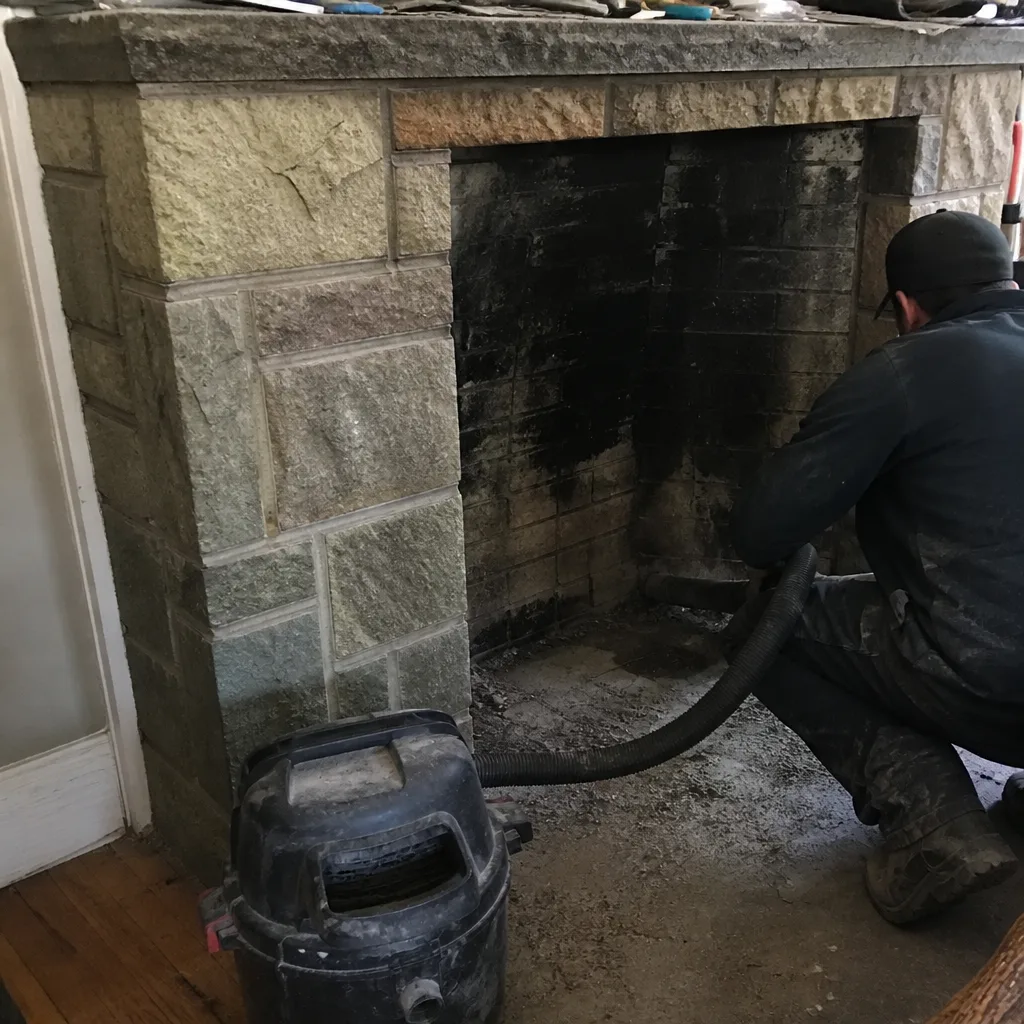
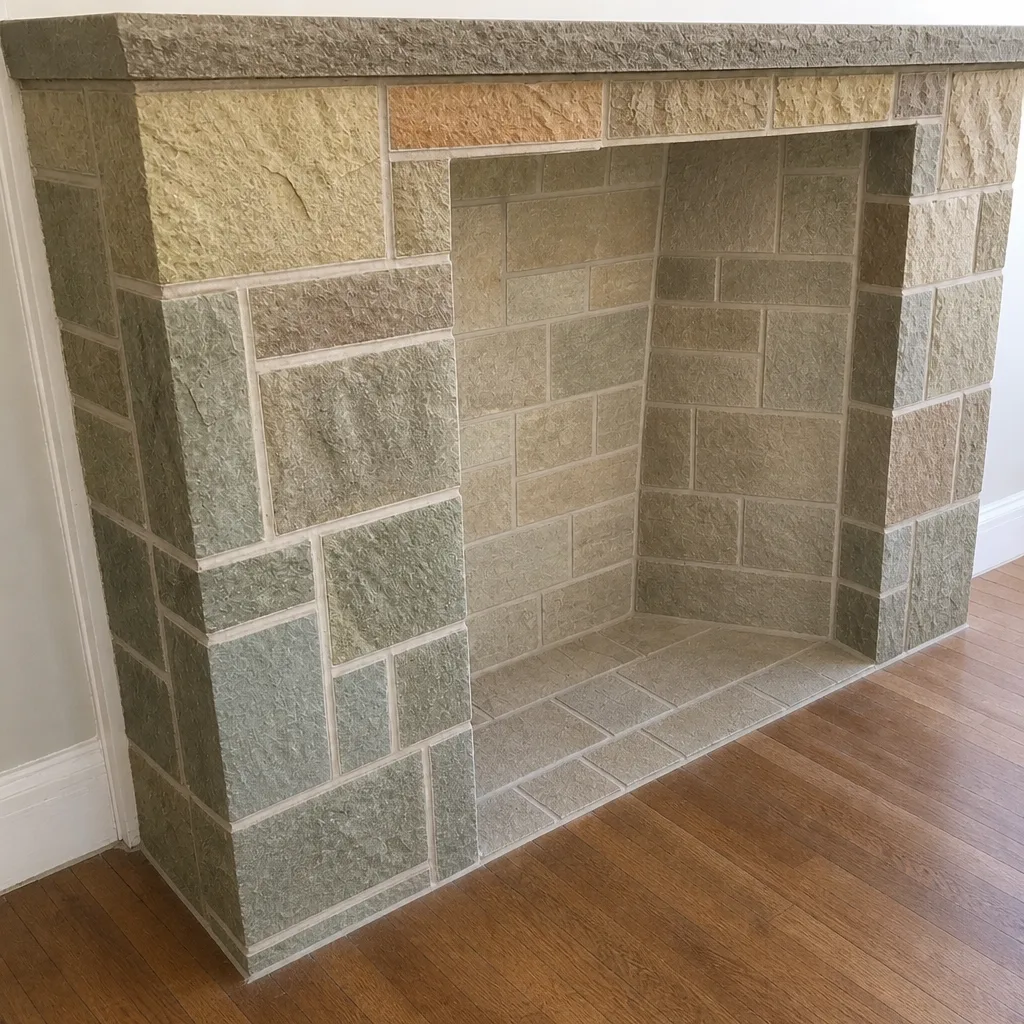
See the difference
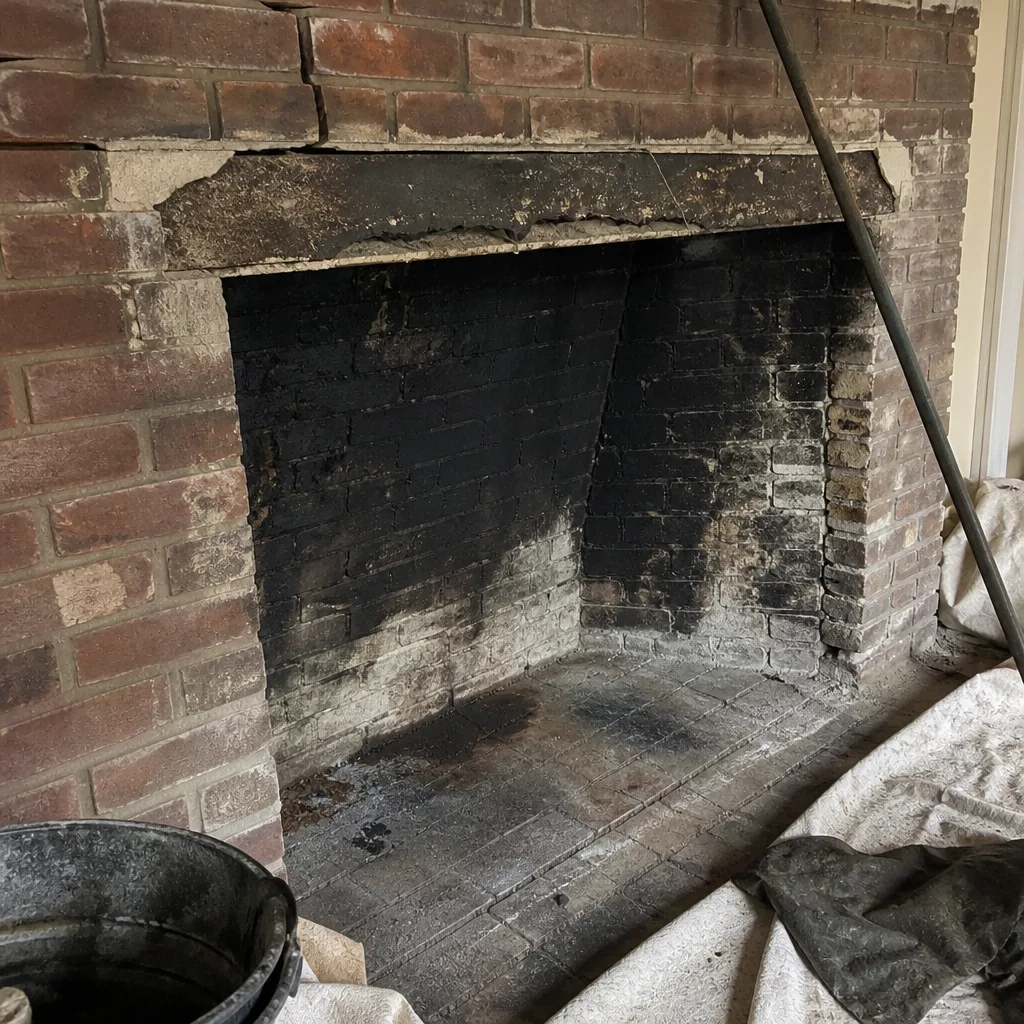 Before
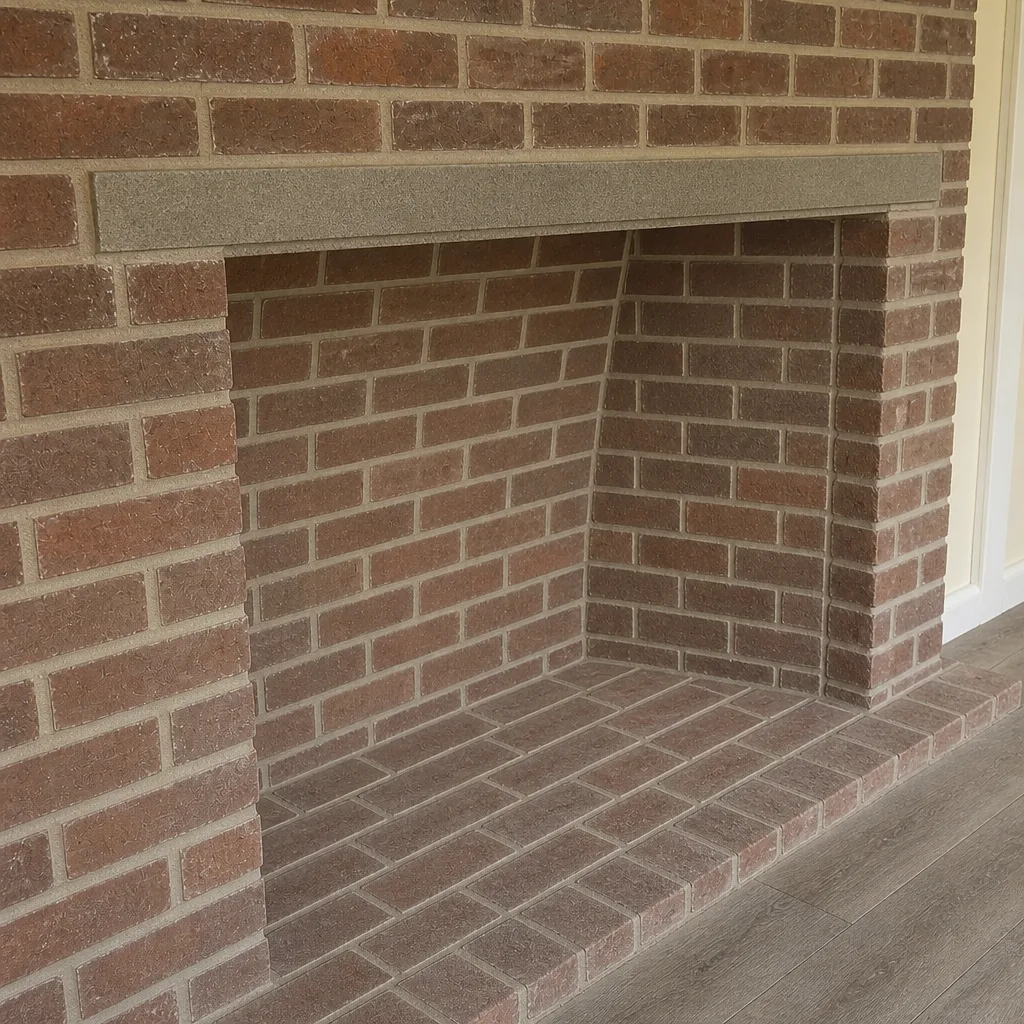 After
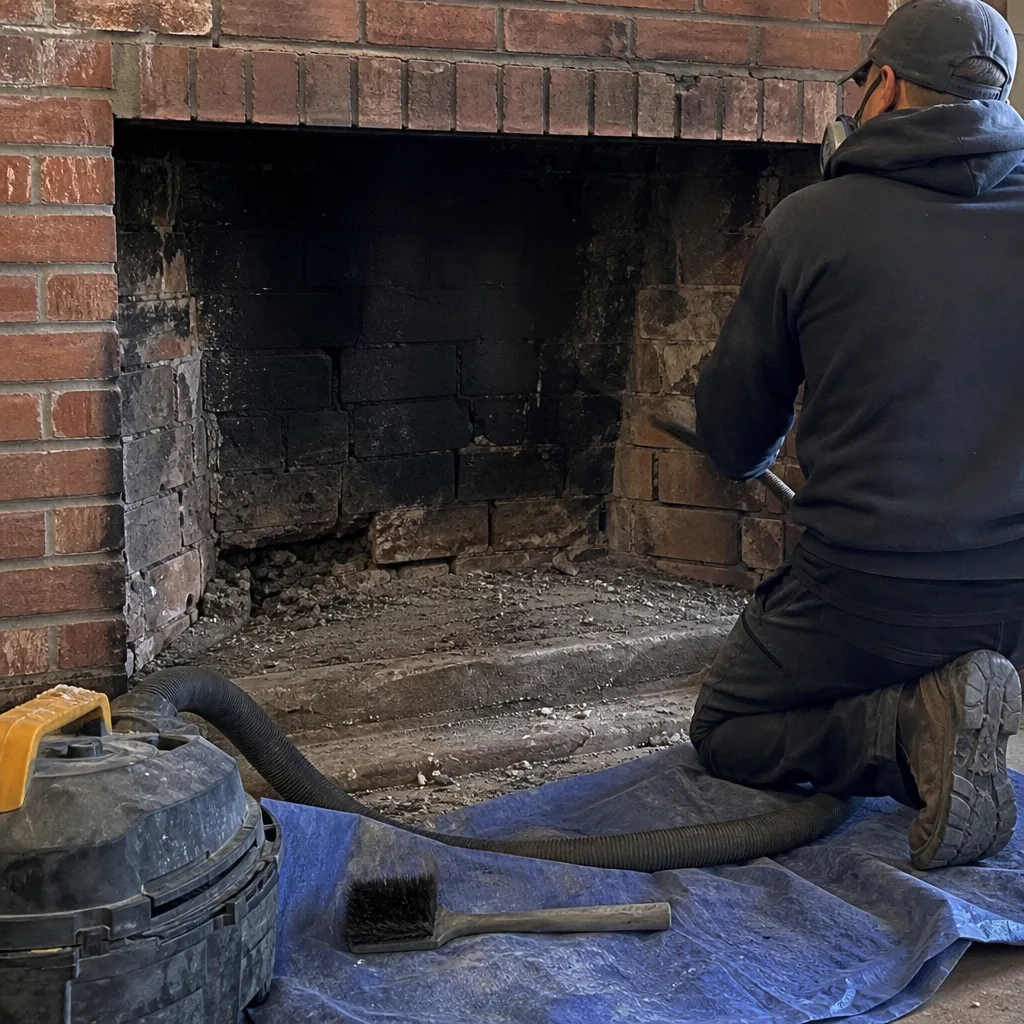 Before
 After
 Before
 After
When to Call a Professional
The signs in this guide break into two groups: the ones you can monitor and the ones that mean “stop and call.” Call a professional right away if smoke continues to roll back into the room with the damper fully open and a hot fire going, if you smell a sharp acrid odor during a burn, if a metal part in the firebox is heavily rusted, or if mortar joints fail the pencil test. Those point to a liner, obstruction, water intrusion, or structural issue that no cleaning will resolve. If the crumbly deposit inside the flue is thick and glazed, that’s advanced creosote and needs professional removal. Efflorescence, a cracked crown, and a missing cap are urgent but not emergencies; they should be inspected before the next freeze.
Chimney Sweep Jackson Heights offers free estimates in Jackson Heights. Call (866) 937-7175. We answer 24/7. Fast dispatch from 7am to 7pm, Sunday through Friday. You’ll get a written estimate that sets the final price before any work begins. Our technicians have up to 10 years of experience, and we work on the whole system, from the firebox to the crown, so one call covers both the chimney and the fireplace.
Frequently Asked Questions
The most common are white mineral staining on exterior brick, rust on the damper or firebox walls, smoke rolling into the room, crumbling mortar inside the firebox, and seasonal odors. Each one points to a different underlying problem, so the sign matters more than the fact that something’s wrong. Call (866) 937-7175 for an inspection that maps the symptom to the actual cause.
White staining is efflorescence, and it confirms that water is actively moving through your masonry. It forms when water dissolves salts inside the brick and evaporates at the surface. In Jackson Heights, that water path usually traces to a cracked crown or a missing cap, and the concern is that it reaches the liner. Book an inspection rather than a pressure wash; call (866) 937-7175.
Smoke rollback has five main causes: negative pressure in the house, a closed damper, a cold flue, an undersized liner, or an obstruction in the flue. Start with the damper fully open, exhaust fans off, and a hot fire. If smoke still rolls back, suspect obstruction or an undersized liner and stop burning. Call (866) 937-7175 to have the flue inspected.
A chimney should be swept whenever creosote buildup reaches about an eighth of an inch, and inspected at least once a year, even if you burn only occasionally. Homes that burn wood as a primary heat source need more frequent checking than an ambience-only fireplace. Because you can’t see creosote buildup from the room, the annual inspection is what catches it. Call (866) 937-7175 to book a sweep.
No. Power-washing removes the visible stain but leaves the water path through your masonry intact, so the stain returns and the masonry keeps deteriorating. Efflorescence is an inspection trigger, not a cleaning job. The fix is to correct the water source at the crown or cap. Call (866) 937-7175 to have both the crown and the liner checked.
Rust means water has reached the metal over time, and in a chimney that water comes from above. Rust on a damper plate or firebox wall usually points to a failed or missing cap, or a crown that isn’t shedding water properly. Rust is always a symptom of ongoing water intrusion, never a standalone problem. Call (866) 937-7175 to trace and fix the water source.
The Bottom Line
Chimney problems rarely arrive without warning. They announce themselves early, in the form of white staining that means water is already in your masonry, rust that points to a failed cap, smoke rolling back because the flue is blocked or undersized, mortar that fails a pencil test, or odors that shift with the season and the burn. The skill is in reading the sign accurately and knowing which ones can wait and which ones mean stop burning. Efflorescence, a cracked crown, and a missing cap are urgent; a sharp smell during a burn or smoke with a hot fire going is a stop-and-call. Book an inspection, get the flue looked at with a camera, and let the evidence drive the repair.
If anything in this guide matched what you’re seeing at home, get it checked before the next freeze or the next burn. Call Chimney Sweep Jackson Heights at (866) 937-7175 for a free estimate. We answer 24/7. Fast dispatch from 7am to 7pm, Sunday through Friday. From the firebox to the crown, one call covers the whole system.
Written by the team at Chimney Sweep Jackson Heights.