
Last updated November 22, 2026
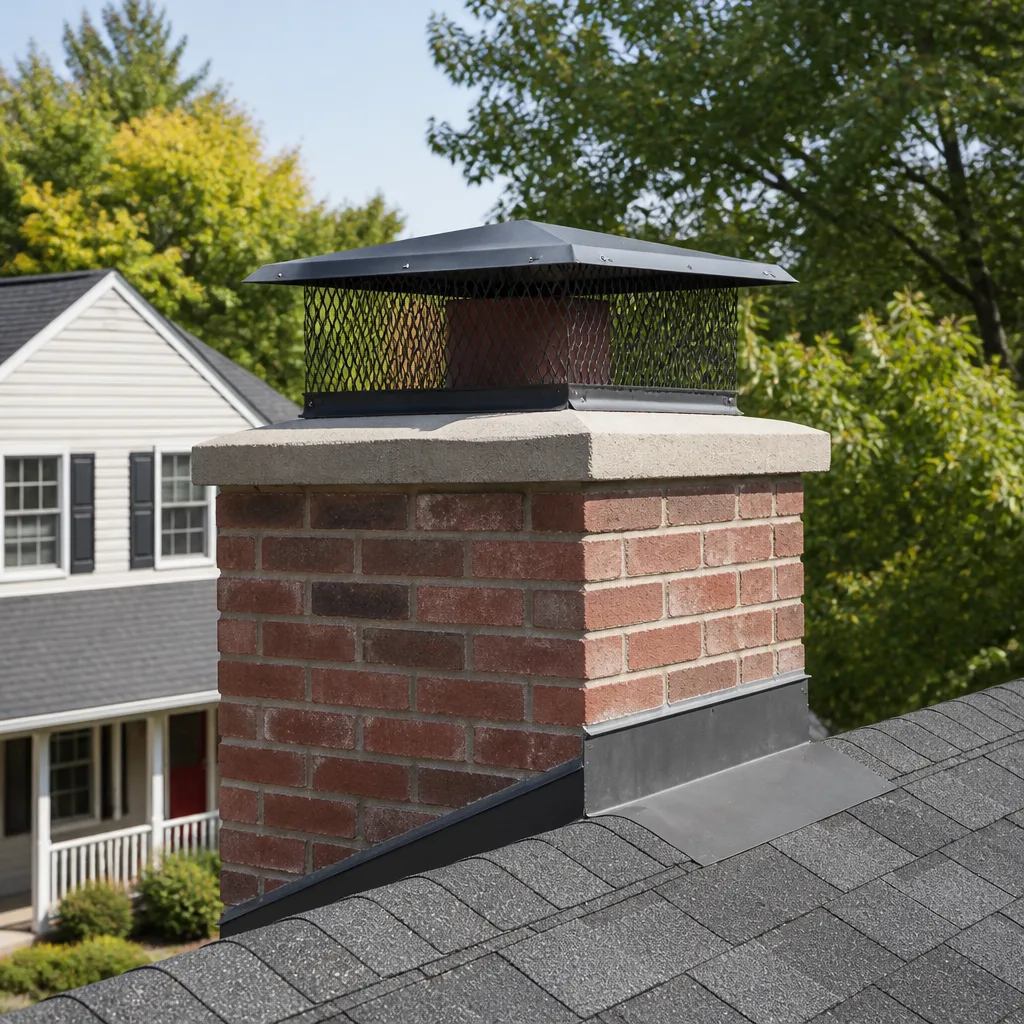 Sweep & inspection
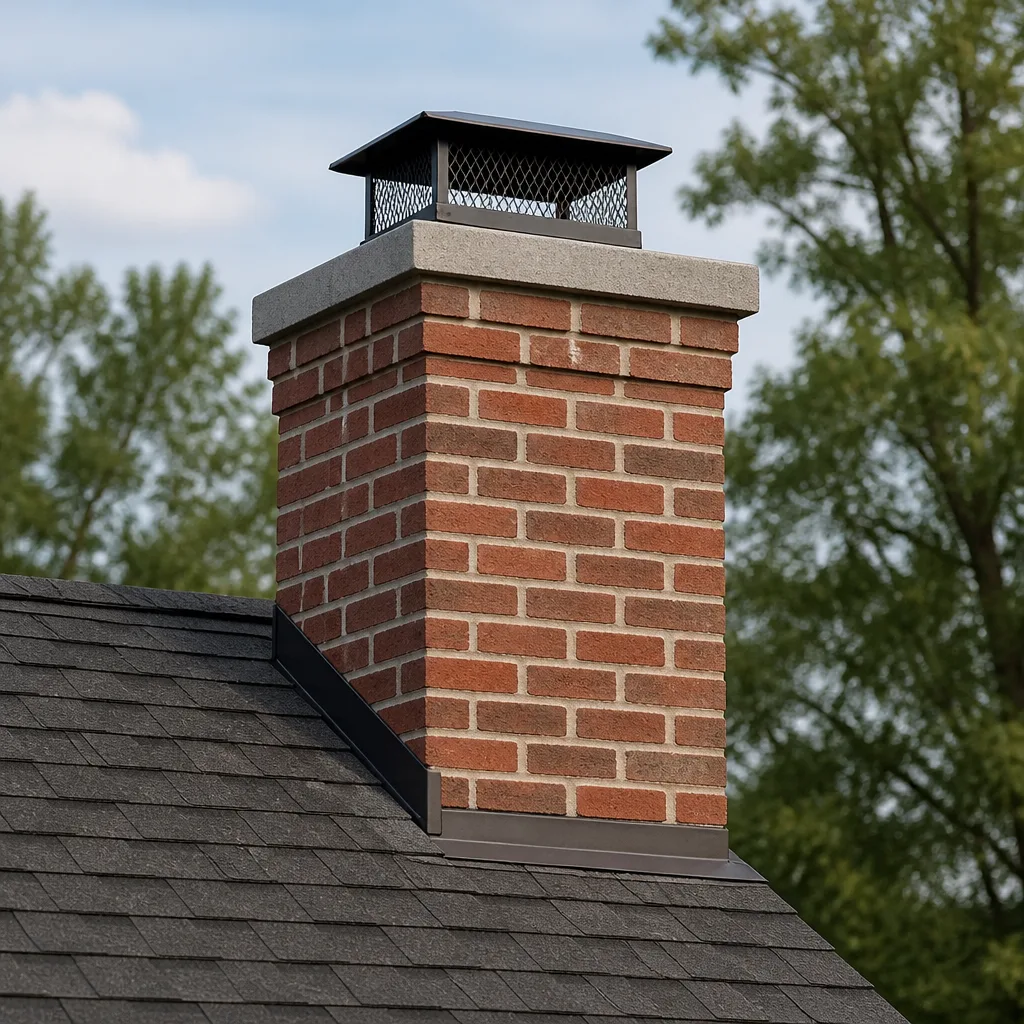 Caps & crowns
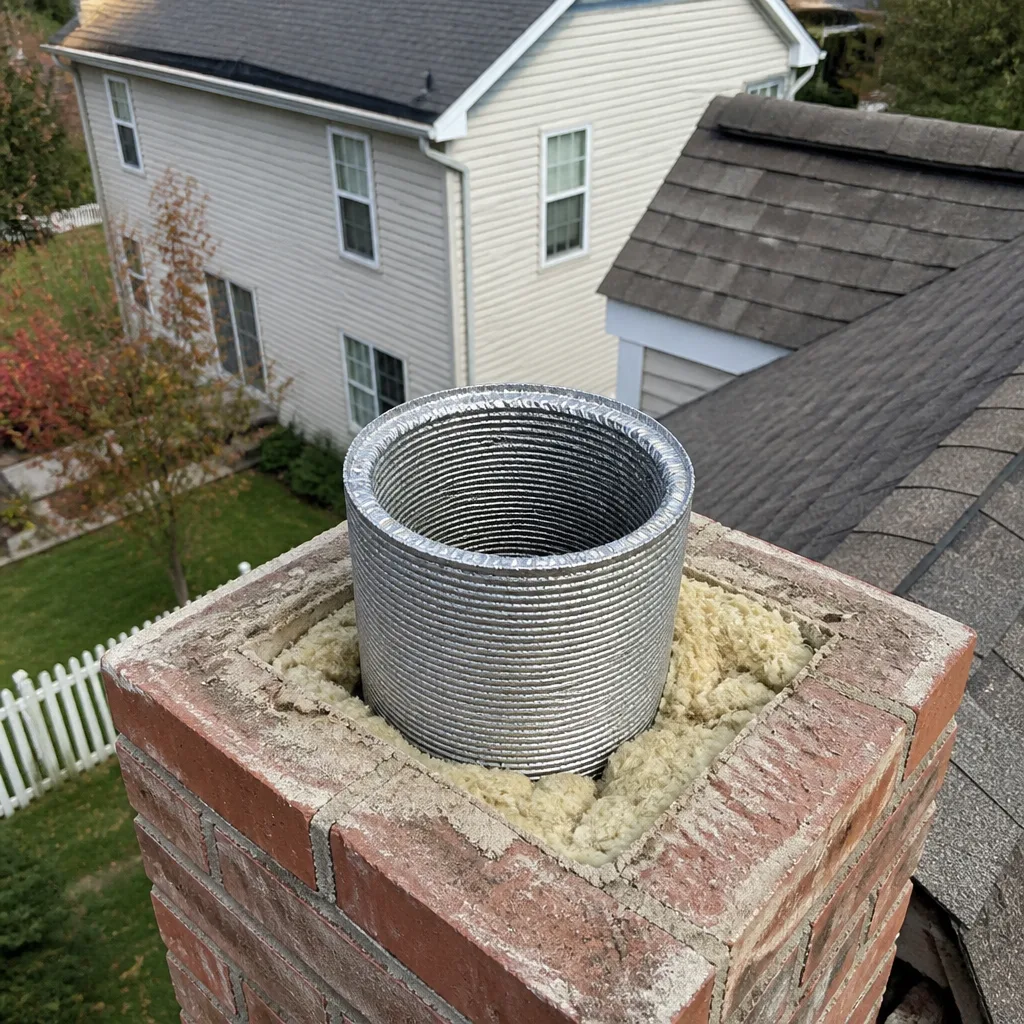 Flue relining
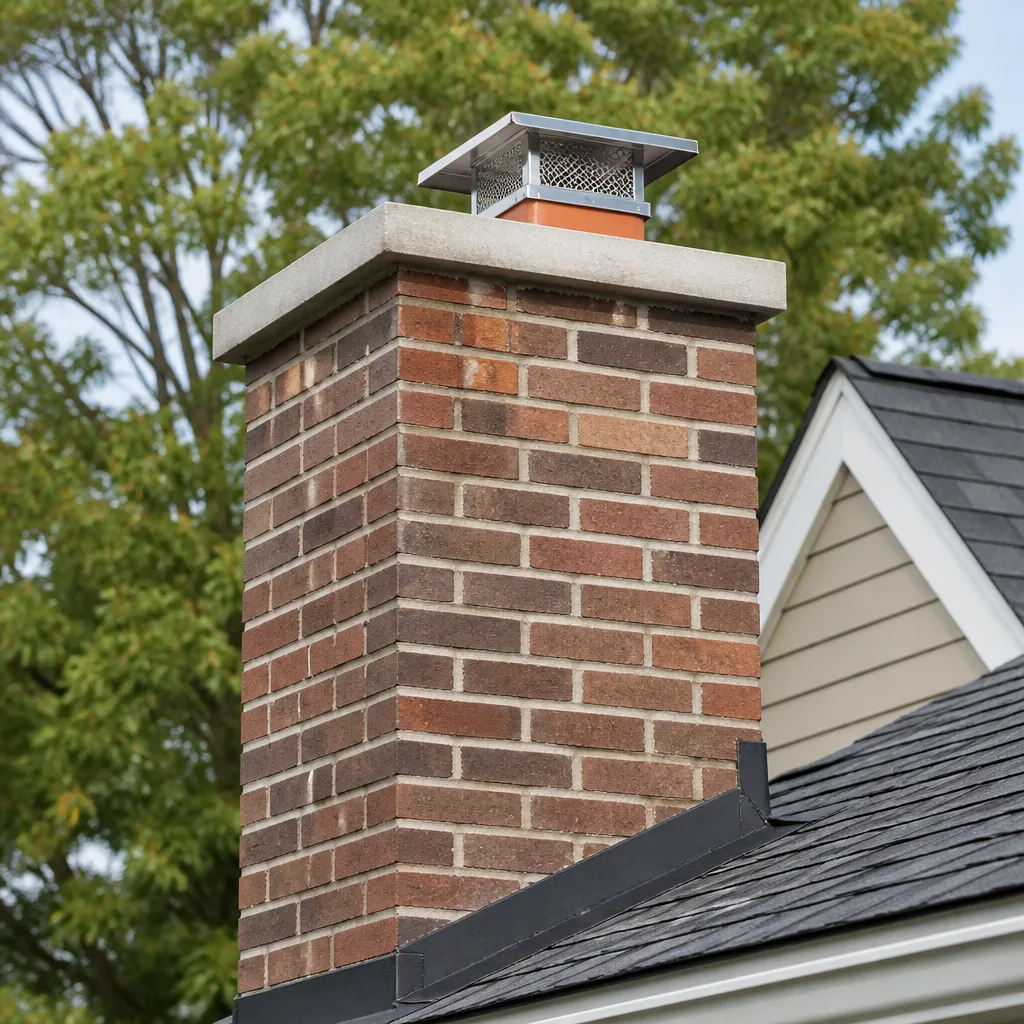 Masonry repair
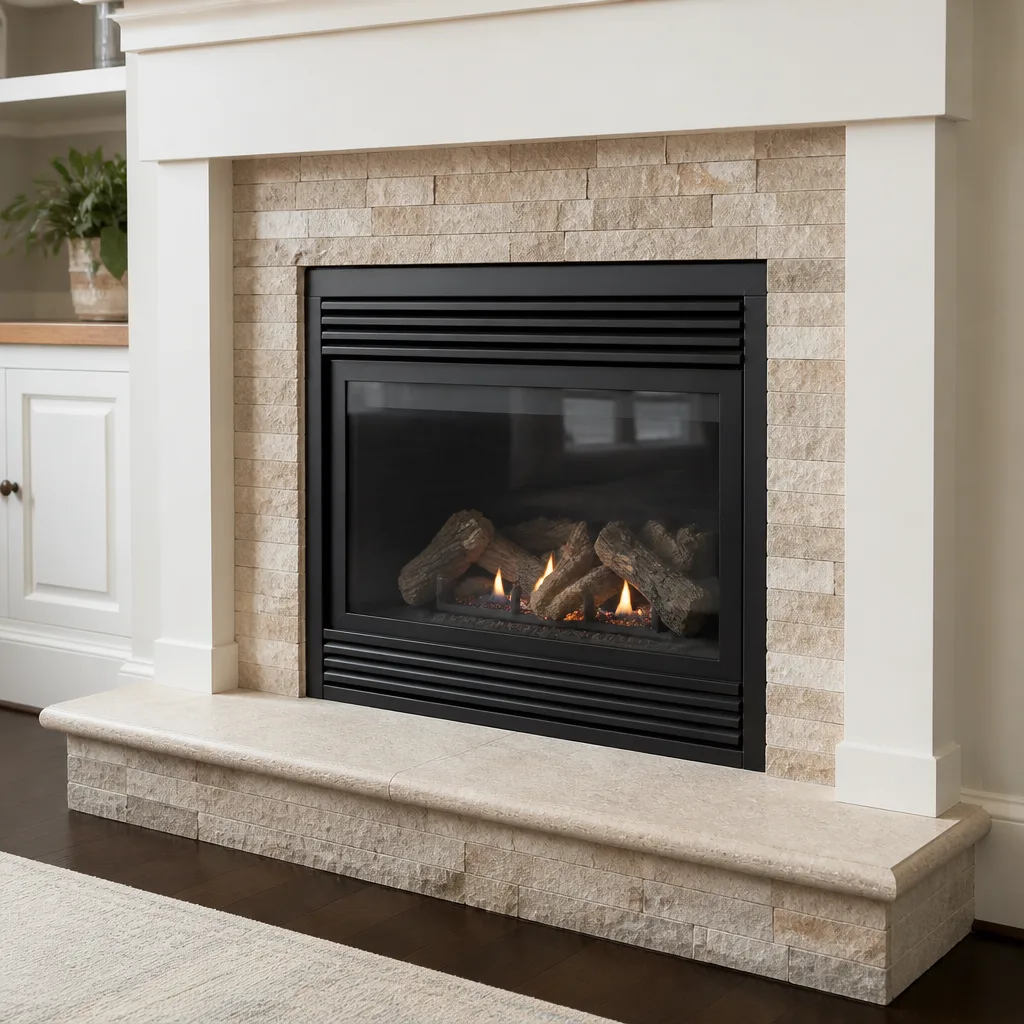 Gas fireplace service
Level 1 sweep and inspection to the NFPA 211 annual standard - flue, crown, cap, and flashing checked and photographed
Chimney sweep logs do not sweep chimneys. They loosen some creosote - which then falls where a brush and vacuum still have to collect it.
Chimney Cleaning Permits, Codes & Inspections in Jackson Heights, NY: What You Need to Know
Most people assume a chimney liner is either done right or done wrong, and that’s the end of it. In Jackson Heights, there’s a third category that matters more than either: a liner that works perfectly but was never filed with the NYC Department of Buildings. It’s legally invisible. No permit record means no inspection record, and no inspection record gives an insurance adjuster a clean argument to deny a fire claim tied to that flue. This guide walks through which chimney services need a DOB filing and which don’t, how NFPA 211 fits into what city inspectors check, what a Certificate of Compliance actually proves, and how unpermitted work surfaces during a title search in Jackson Heights.
Quick Answer
Routine chimney sweeping and a Level 1 visual inspection do not require a NYC DOB permit. Liner installation, crown rebuilding, firebox reconstruction, and most structural masonry repair on a chimney do require a filing. All work should follow NFPA 211, which is the standard city inspectors reference for clearances and liner sizing. After a permitted liner job, ask for the Certificate of Compliance and store it with your deed and survey.
Styles & brands we work with
- Sweep & inspection
- Caps & crowns
- Flue relining
- Masonry repair
- Gas fireplace service
Table of Contents
- Which Chimney Services Need a Permit in Jackson Heights?
- How NYC Code and Local Law 11 Apply to Chimneys Here
- What NFPA 211 Requires and Why Inspectors Use It
- What a Certificate of Compliance Proves
- How Unpermitted Work Shows Up in a Title Search
- The Three Levels of Chimney Inspection
- How a Permitted Chimney Repair Actually Runs
- Common Mistakes to Avoid
Which Chimney Services Need a Permit in Jackson Heights?
The dividing line is simple: maintenance is exempt, and anything that changes the structure or the flue itself needs a filing. Sweeping a flue does not alter the building. Installing a stainless liner does. That’s the whole principle, and once you hold it in your head the rest of the rules stop feeling arbitrary.
Typically permit-exempt in Jackson Heights:
- Routine sweeping of a wood-burning flue, whether by brush or with a rotary tool
- A Level 1 inspection, which is a visual check of readily accessible components
- Cap replacement, where the existing crown and flue top are sound and the new cap attaches to what’s already there
- Minor hardware work: damper handles, spark screens, door gaskets on a fireplace insert
Typically requiring a NYC DOB filing:
- Installation of any new flue liner, including a flexible stainless system such as those from DuraFlex
- Crown rebuilds or significant crown repair, since the crown is a structural cap on the chimney
- Firebox reconstruction, parging, or relining of the smoke chamber
- Removal or alteration of masonry above the roofline
- Chimney demolition or a full rebuild, which goes well beyond a repair filing
One nuance matters on the rowhouses and attached multi-family buildings common across Jackson Heights: work on a shared chimney stack that serves more than one unit can pull in the building owner’s filing obligations, not just the unit owner’s. Before any contractor starts, ask in writing whether the job is being filed. A contractor who can’t answer that question plainly is telling you something.
How NYC Code and Local Law 11 Apply to Chimneys Here
NYC Administrative Code §28 is the city’s construction code framework, and it’s what governs alterations to chimneys, including liner installations and structural masonry work. Local Law 11, the Facade Inspection Safety Program, applies to exterior walls of buildings taller than six stories. Both can overlap on a chimney.
Jackson Heights is full of buildings where they do overlap. The historic co-op and apartment blocks along 82nd Street and 37th Avenue are tall enough that their chimneys, parapets, and exterior masonry fall under the facade program’s review cycle. When a facade inspector looks at a building, a leaning chimney stack or a crown with a failing bond counts as an exterior element. The same piece of masonry that a homeowner thinks of as “the chimney” is, for the building, a facade component with its own reporting rules. If you own in one of those buildings and your share of the chimney needs work, your building’s managing agent should be looped in before a contractor touches anything.
On the lower-density blocks, particularly the attached two- and three-family rowhouses near 74th Street and Northern Boulevard, the more relevant pressure is age. These houses have wood-framed roof structures and masonry chimneys that have been through many freeze-thaw cycles. When a water leak at the crown goes unaddressed, the resulting damage is structural, and structural chimney repair on an attached rowhouse may affect shared framing. That’s another reason filings matter here: the permit process forces a formal record of what was done and where.
You can read how we approach non-permitted chimney repair and what we can and can’t document after the fact.
What NFPA 211 Requires and Why Inspectors Use It
NFPA 211 is the national standard for chimneys, fireplaces, vents, and solid fuel appliances. NYC inspectors reference it because the administrative code doesn’t spell out every clearance or sizing detail; NFPA 211 does, and the code points to it. When an inspector stands in your basement looking at how a new liner was connected to a heating appliance, they’re checking against NFPA 211’s rules.
The parts of the standard that come up most often during a Jackson Heights job:
- Clearances to combustibles. A chimney flue must maintain a specified air space from wood framing and other combustible material. This is where many older rowhouses fail: the chimney was framed decades ago, the wood has settled, and the clearance narrowed without anyone doing anything wrong on purpose.
- Liner sizing to the appliance. A flue liner is sized to the appliance venting into it, not the other way around. Too large a flue for a small appliance drafts poorly; too small a flue for a larger one chokes the draft. Getting this wrong is common when a higher-efficiency appliance replaces an older one and the liner isn’t resized.
- Appliance compatibility. You can’t vent a gas appliance into an unlined masonry chimney that was sized for a wood fire. The temperature and corrosion profiles differ, and the liner material has to match the appliance.
- Liner integrity. No gaps, no collapsed sections, no discontinuities. A flexible liner installed with an offset section left unsupported is a fail.
If you’re trying to understand what an appliance issue looks like before a filing, our page on how a chimney sweep fits into a pre-filing inspection is useful. Our technicians have up to 10 years of experience reading these clearances on older Queens housing stock, and they’ll flag the framing issues that would cause an inspector to bounce a job before the application goes in.
What a Certificate of Compliance Proves
A Certificate of Compliance (sometimes called a Certificate of Occupancy for the altered work, or a final sign-off) is the document that confirms a permitted job was inspected and passed. Without it, the permit was opened and never closed. That’s worse than no permit in some ways, because it puts your address in the DOB’s system with an unresolved application attached to it.
Here’s what to actually do with the certificate after a liner installation in Jackson Heights:
- Ask for a printed copy before the contractor leaves. Not “we’ll email it later.” A physical copy you hold at the time of completion.
- Verify the address and unit match your deed. A permit filed against the wrong unit number is a common clerical failure on multi-family buildings.
- Confirm the scope on the certificate matches the work performed. If the filing said liner installation and the final scope reads something broader, ask why.
- File it with your property documents. Keep it alongside your deed, survey, and any HPD or DOB records you already hold. If you ever sell or refinance, you’ll produce it.
- Store a digital copy in a secure folder with a note about which contractor did what and in what year. A digital file on your own account is more durable than a contractor’s records.
If you’ve had a HeatShield ceramic flue restoration performed rather than a full liner replacement, the permit situation is slightly different. HeatShield restores the interior surface of the flue without removing the existing liner, which some filings treat differently than a liner replacement. Ask your contractor how they filed it and get that answer in writing. The question isn’t about whether the process is good; it’s about whether the record is on paper.
How Unpermitted Work Shows Up in a Title Search
Unpermitted chimney work surfaces at a title search in one of three ways: as an open permit the seller never closed, as a violation attached to the address (a violation is filed by DOB when a complaint or inspection finds non-compliant work), or as an inconsistency between the certificate of occupancy and what’s actually on the roof.
In Jackson Heights, all three cases turn up in real estate transactions. Someone buys a two-family rowhouse, later sells it, and the buyer’s attorney’s title search finds the prior owner filed a liner installation permit in 2016 and never got the final sign-off. The deal doesn’t necessarily collapse, but it slows down, and in a lender’s view an open permit on the property can be a contingency that delays the closing or triggers a hold-back at the refinance.
What a buyer’s attorney will do with that finding:
- Require the seller to close the permit, which means getting an inspector out to verify the work
- Require a new filing and inspection if the original is too old to close
- Negotiate a credit against the purchase price for the cost of bringing the record into compliance
- In rare cases, walk away if the underlying condition is structural as well as a paperwork problem
The reverse also matters: if you’ve bought a Jackson Heights property and the previous chimney work was never filed, you can’t demand that a prior owner do anything about it. You can only clean up the record yourself, and that costs more than it would have if the work had been filed in the first place.
The takeaway is not to avoid permits. It’s to insist on them, and to keep the record. A permitted, inspected, documented liner installation is one of the few things on a house that will still be verifiable twenty years later.
The Three Levels of Chimney Inspection
NFPA 211 defines three inspection levels, and knowing which one you need is half the battle when you’re deciding whether to call a professional.
Level 1 – Readily accessible visual inspection. No tools beyond a flashlight and mirror. Covers the firebox, damper, accessible flue interior from the top and bottom, and the chimney exterior from ground level. This level is appropriate for an annual check when the appliance hasn’t changed and you don’t suspect a problem. It’s what you get alongside a routine sweep.
Level 2 – Accessible visual inspection with camera. Required when an appliance is changed (new insert, new stove), a property changes hands, or an event has occurred (chimney fire, seismic event, severe weather). Includes camera inspection of the flue interior and access to areas that require opening a panel or removing a component. The camera is the thing that separates a Level 2 from a Level 1, and it’s what makes the findings actionable and photographable.
Level 3 – Diagnostic inspection with investigation of concealed areas. Uncommon. Required when a Level 1 or Level 2 inspection finds a problem in a concealed area and a diagnosis requires removing part of the chimney, wall, or roof covering. This is where a filing is almost always already happening because structural work is underway.
For most Jackson Heights homeowners with a fireplace in daily winter use, a Level 1 with a sweep annually plus a Level 2 whenever anything changes on the appliance side covers the ground. Our chimney cap & crown work pairs naturally with a Level 2, since the top of the chimney is where the visual and camera findings most often converge.
How a Permitted Chimney Repair Actually Runs
Here’s the sequence for a typical liner installation or structural repair on a Jackson Heights house, in the order things happen. This is a sketch of the steps, not a DIY guide: the work involves confined spaces, structural openings, and, on many older houses, a flue that needs to be assessed before anyone can say what the job is.
- Initial assessment. A Level 2 inspection with camera. Findings documented with photos. The written estimate is based on what the camera sees, not on a guess.
- Scope and filing decision. The contractor determines whether a DOB filing is needed and, if so, files the application before work begins.
- Material selection. For a flexible liner, the correct diameter and material match to the appliance: a DuraFlex system is a common choice for residential relining. For a partial restoration of the flue interior without a full reline, a HeatShield ceramic application might be the right call. The right answer depends on the inspection, not the brand.
- Sweep and preparation. The flue is cleaned before any liner or ceramic material goes in. Liner and restoration work done over an uncleaned flue doesn’t hold.
- Installation. Liner or restoration installed to manufacturer spec. Cap and crown work, if in scope, usually happens here since the top of the chimney is already open.
- Inspection. The DOB inspector reviews the installed work against the filed scope and NFPA 211. This is the step homeowners most often underestimate: an inspector will look at clearances and appliance compatibility, not just “does the liner exist.”
- Certificate of Compliance. Issued when the job passes. Get the copy. Store it.
We work with professional products from Olympia Chimney and Copperfield for venting and liner components, and we’ll recommend the material that fits the inspection findings rather than the material that happens to be nearest to hand. Our technicians have up to 10 years of experience with these systems, and the skill that matters most in this list is step two: recognizing when a filing is required and telling the homeowner before the work starts.
Common Mistakes to Avoid
- Assuming all chimney work is exempt because sweeping is. Sweeping and a Level 1 inspection don’t need a filing. A liner installation almost always does. A contractor who treats all chimney work as unregulated is either misinformed or hoping you don’t ask.
- Not asking who is filing the permit. Some contractors file in the homeowner’s name. Some file under a company. Either can work, but you should know which one applies to your job and how it affects the record on your property.
- Accepting a job that “doesn’t need a certificate.” If the scope is filing-worthy, the certificate you get at the end is the only documentary evidence. Skip it and you have paperwork that says a permit was opened but nothing that says the work passed.
- Letting a prior owner’s open permit sit. On a Jackson Heights rowhouse, an open permit from before your purchase is still on the DOB’s books against the address. It will come up at title search when you sell. Closing it is a small job now and a large headache later.
- Replacing a cap without checking the crown. A new cap on a failing crown just hides the problem. Water is getting in somewhere, and if the crown is the source, a cap on top won’t stop it. Cap and crown are two different problems, and they need separate answers.
- Assuming the roof is the story. In Queens, the roof is rarely the leak path on older chimneys. The crown, the flashing at the chimney-to-roof joint, and the masonry itself are the usual suspects. Get the camera on them.
- Not keeping the records. A deed, a survey, and a certificate of compliance in one folder is a ten-minute job once and saves hours of scramble on the back end. The filing exists precisely so you don’t have to reconstruct it.
See the difference
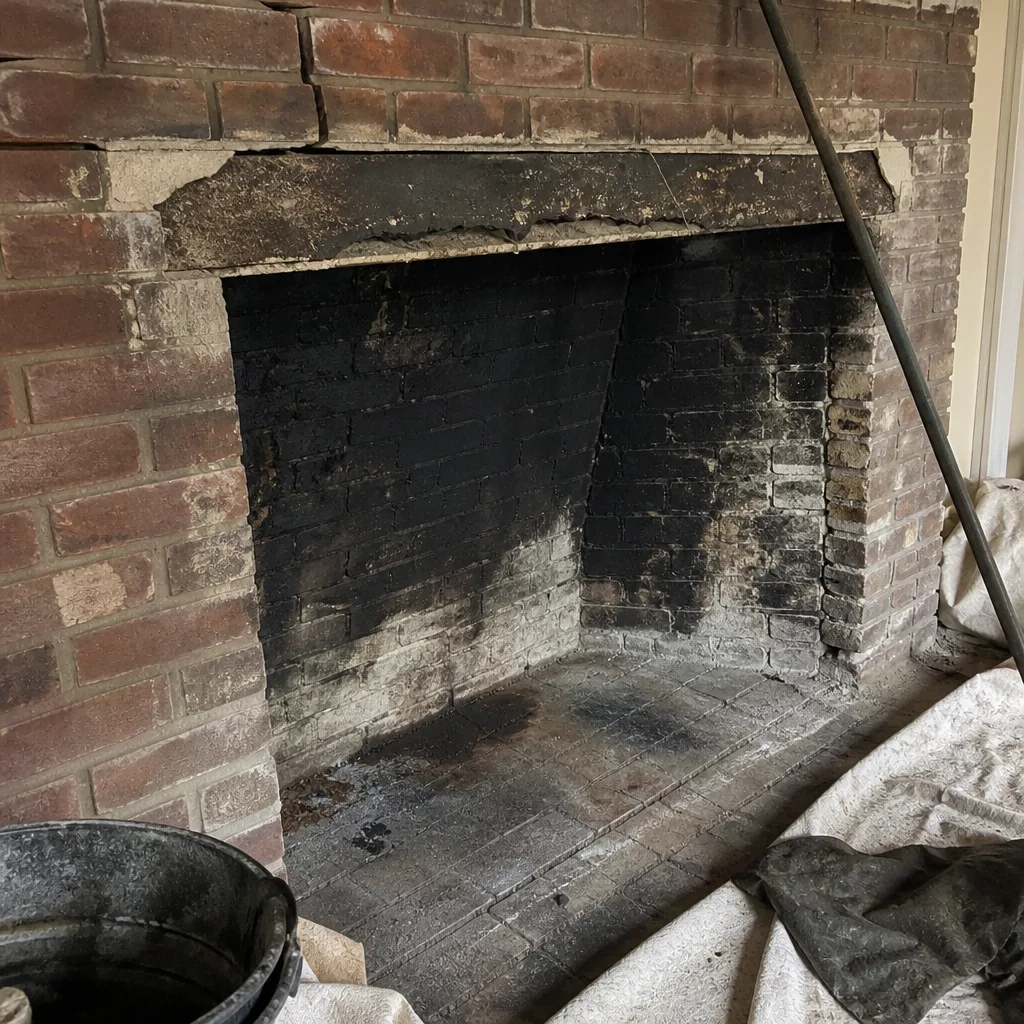 Before
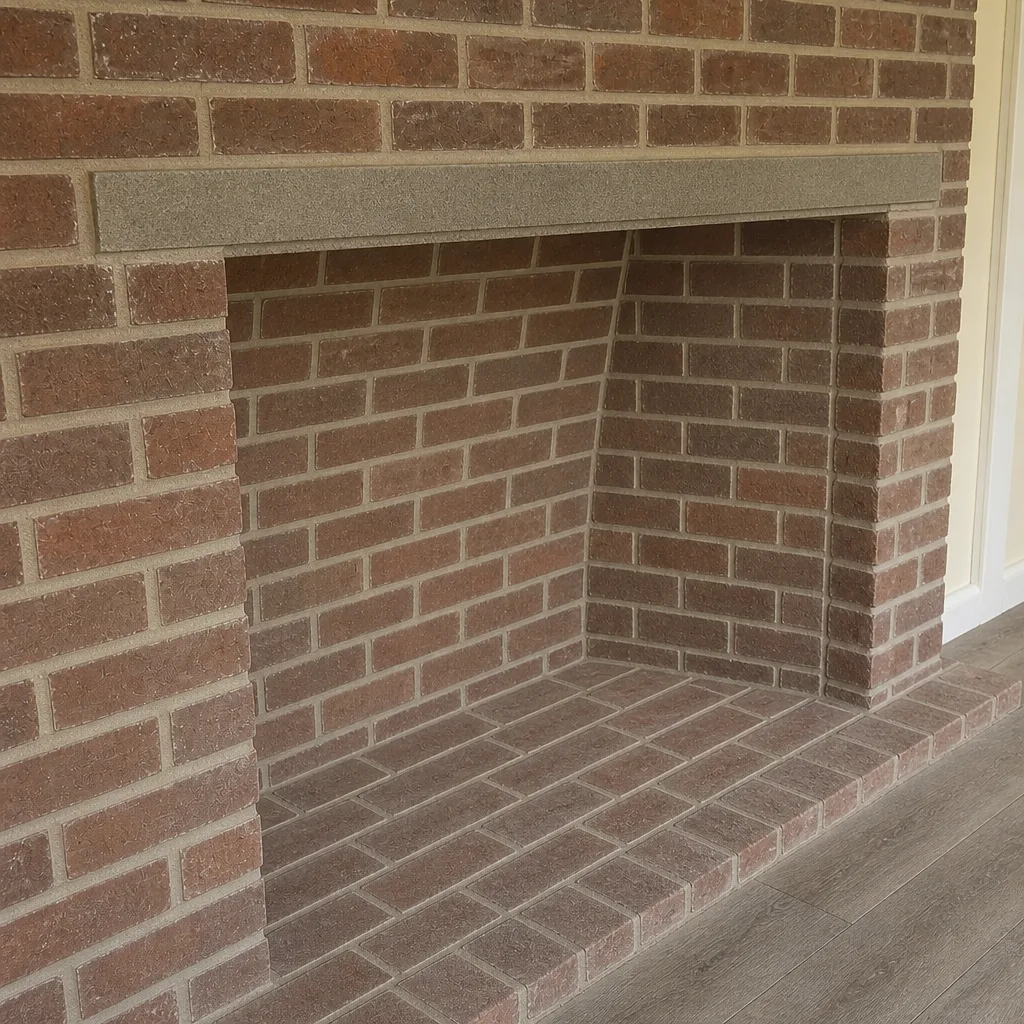 After
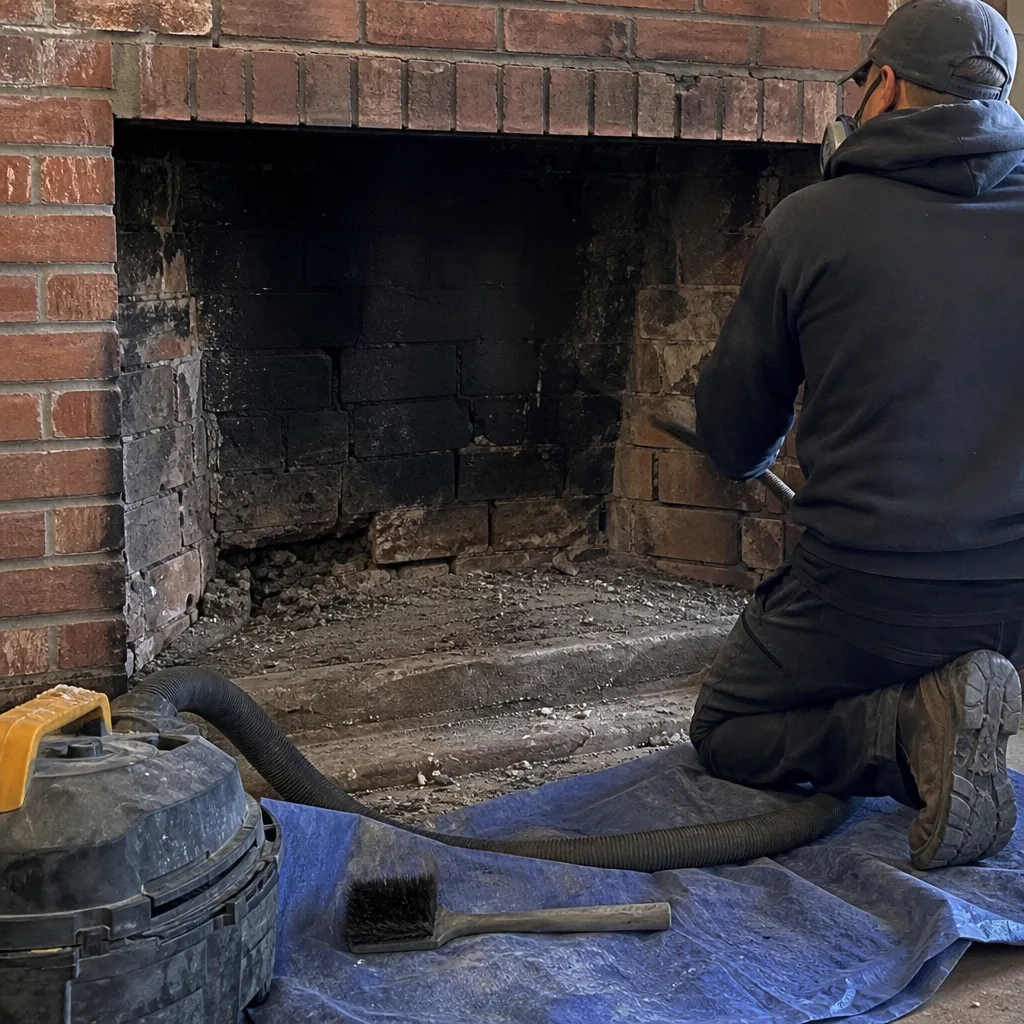 Before
 After
 Before
 After
When to Call a Professional
Call a professional when you’re planning anything more than a sweep and a visual check. If you’re shopping for a liner, if you’re noticing a fireplace that drafts back into the room, if there’s water staining inside the firebox or along the chimney breast, if the crown is visibly cracked, or if you’re buying or selling a Jackson Heights property and don’t have a Level 2 inspection on record, you’re past the point of a quick DIY check. The same goes for any appliance change: new insert, new stove, or a switch from wood to gas. The filing question alone is more than most homeowners want to research without help, and the clearances matter too much to guess at.
Chimney Sweep Jackson Heights offers free estimates and works across the full system from the firebox to the crown, with professional products from DuraFlex, HeatShield, Olympia Chimney, and Copperfield. We’ll tell you plainly what needs a filing and what doesn’t, and we won’t recommend work you don’t need. Call (866) 937-7175 for a free estimate. We answer 24/7, with fast dispatch from 7am to 7pm, Sunday through Friday.
Frequently Asked Questions
Yes, most liner installations require a NYC DOB filing. A chimney liner is a structural alteration to the flue, not routine maintenance, and the city treats it accordingly. Your contractor should file the permit before the work begins and get a Certificate of Compliance at the end. If a contractor tells you no filing is needed for a liner, ask for that in writing.
No. Routine sweeping and a Level 1 visual inspection are maintenance and don’t require a DOE filing. If the sweep finds a problem that requires structural repair or liner replacement, that’s when the permit conversation starts. Many homeowners pay for a sweep and discover mid-job that a liner or a crown rebuild is the actual fix.
NFPA 211 is the national standard for chimneys, fireplaces, vents, and solid fuel appliances, and it’s the standard NYC inspectors reference during permitted work. It covers clearances to combustible material, liner sizing to the appliance, and liner integrity. A permitted job that doesn’t meet NFPA 211 in these areas won’t pass inspection regardless of how good the liner looks.
The unpermitted work stays on the DOB’s books against the address, and it will come up in a title search when you sell or refinance. The record doesn’t go away because the prior owner is gone. You can close the record by having the work inspected and, if necessary, re-filed. It’s easier to handle proactively than to negotiate under a property sale deadline.
Most insurers don’t require it up front, but the certificate matters if you ever file a claim tied to a chimney fire. An insurer evaluating a claim will look at whether the work was permitted and inspected. Without a record, the adjuster has grounds to question the condition of the flue at the time of the loss. The simplest protection is to have the work permitted and the certificate saved.
A Level 1 is the annual visual inspection that goes with a routine sweep. A Level 2 is required when you change the appliance, buy or sell a property, or have reason to suspect a problem. A Level 3 is diagnostic and rarely needed. In our experience working on Jackson Heights housing stock, anything involving an appliance change or a real estate transaction needs a Level 2 with camera documentation. Call (866) 937-7175 to schedule an inspection.
The Bottom Line
Chimney sweeping is exempt from NYC DOB filing; liner installation and structural repair almost always need a permit. NFPA 211 is the standard inspectors use to check clearances, liner sizing, and appliance compatibility, and a Certificate of Compliance is the only document that proves a permitted job passed. Unpermitted work shows up in title searches and complicates sales and refinances. If you’re planning a liner, a crown rebuild, or a firebox reconstruction in Jackson Heights, ask the filing question before the work begins. Keep the paper. Call (866) 937-7175 for a free estimate, with fast dispatch from 7am to 7pm. We answer 24/7.
For the parent guide on Chimney Sweep Jackson Heights and the full scope of services, start there.
Written by the team at Chimney Sweep Jackson Heights.