
Last updated November 22, 2026
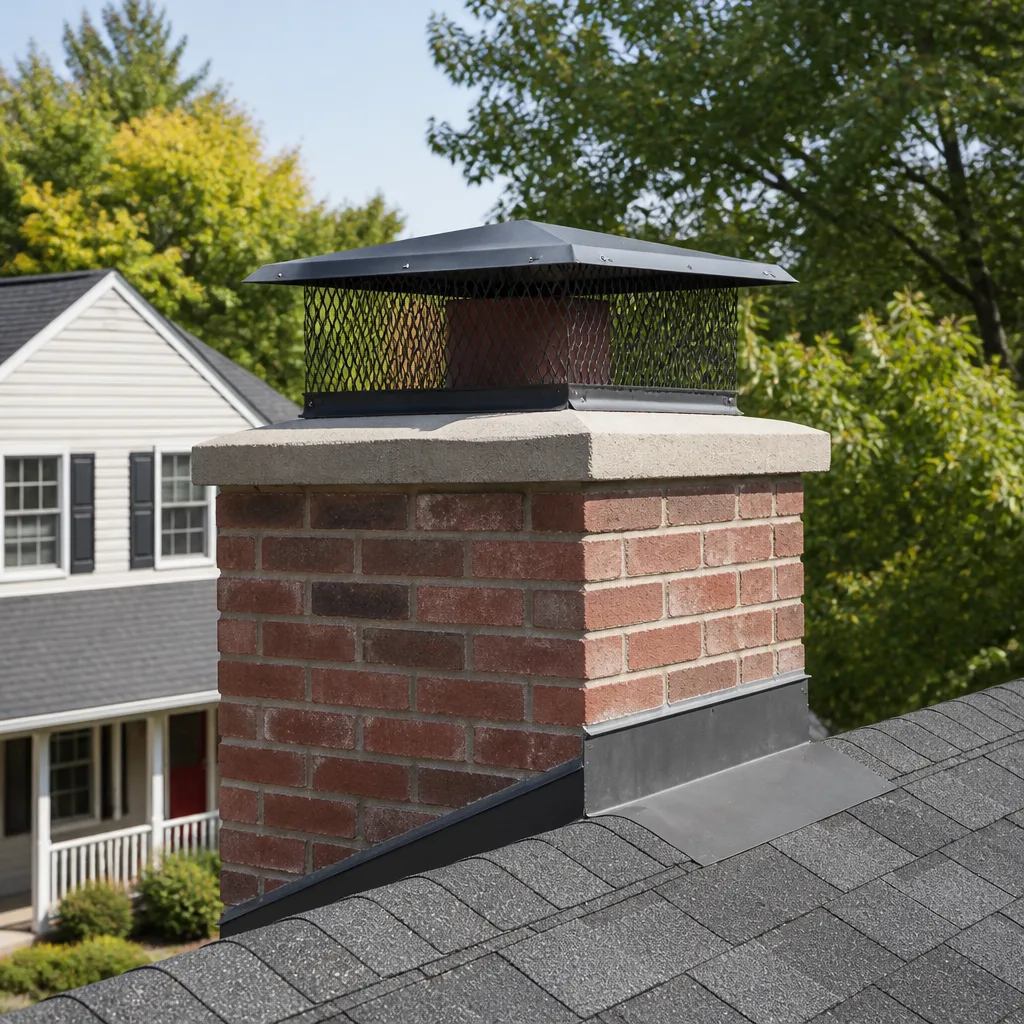 Sweep & inspection
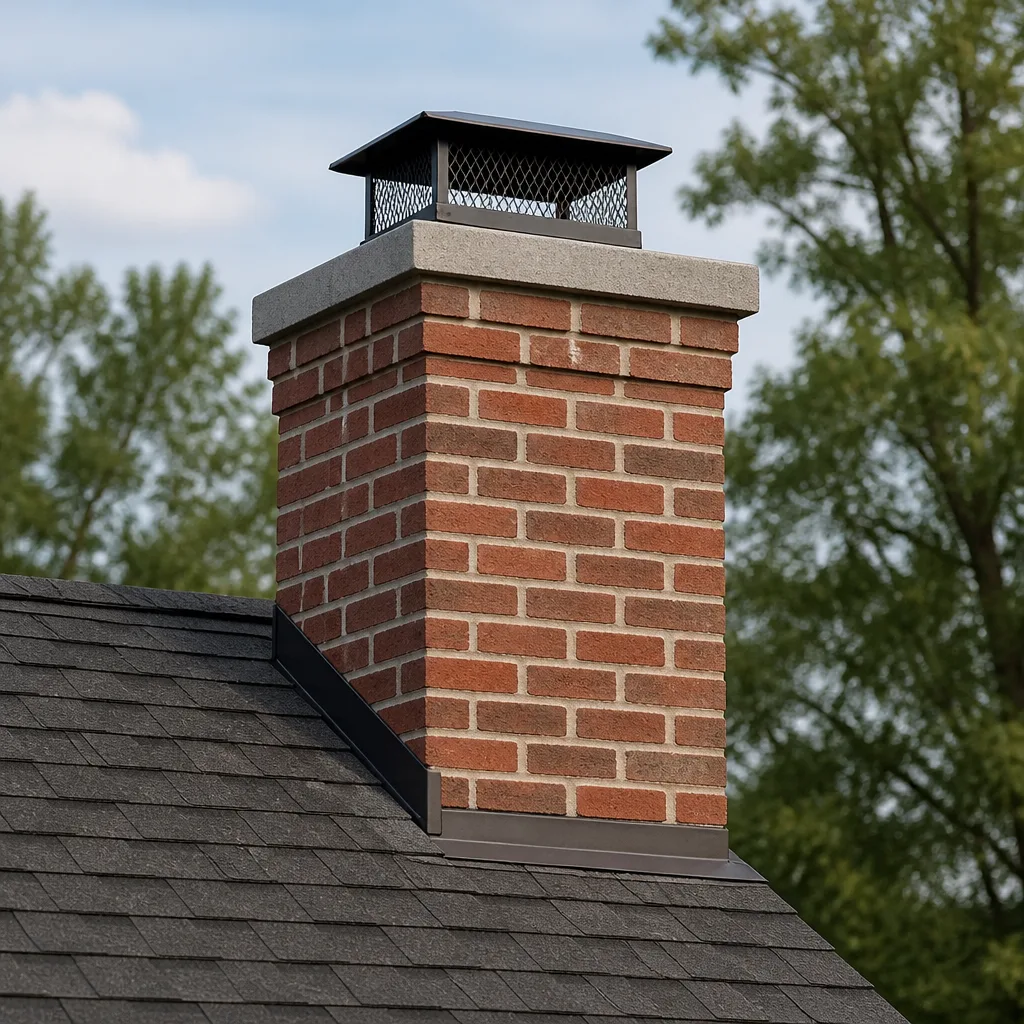 Caps & crowns
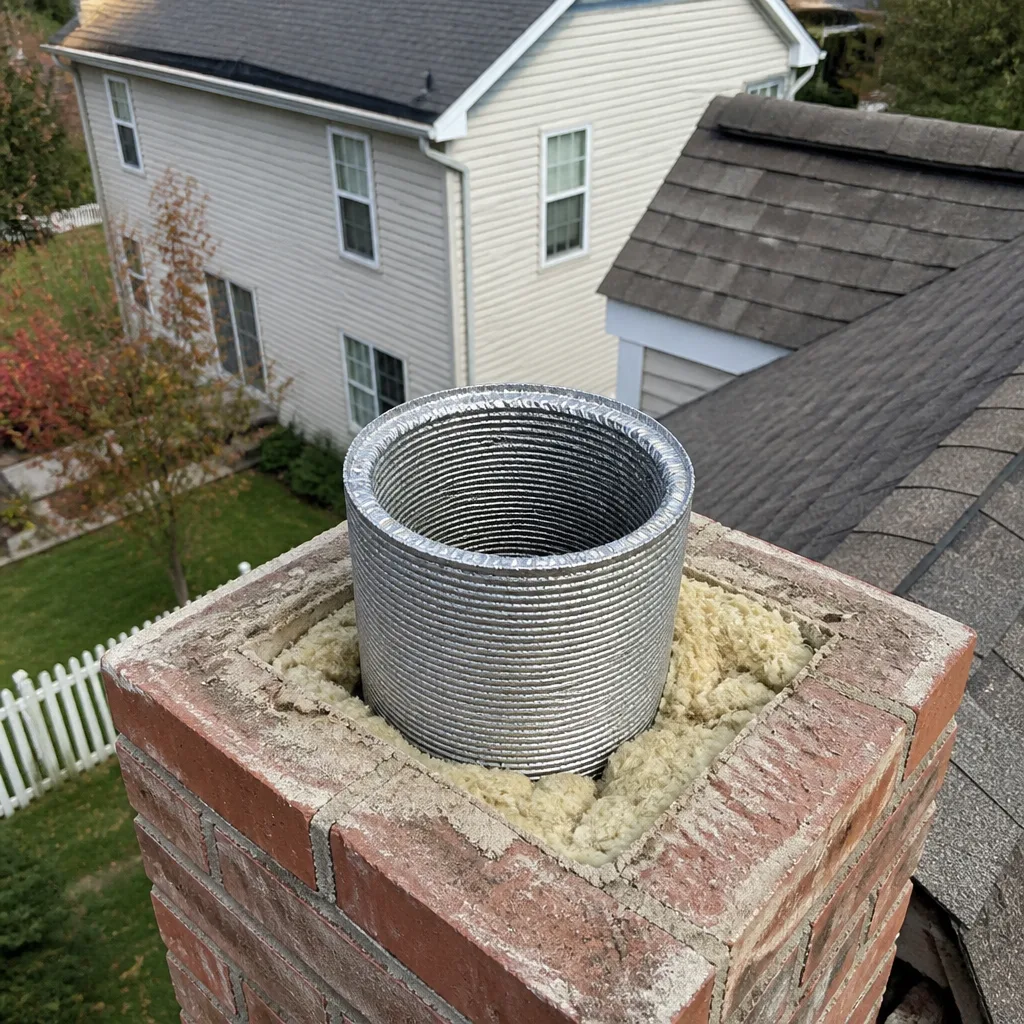 Flue relining
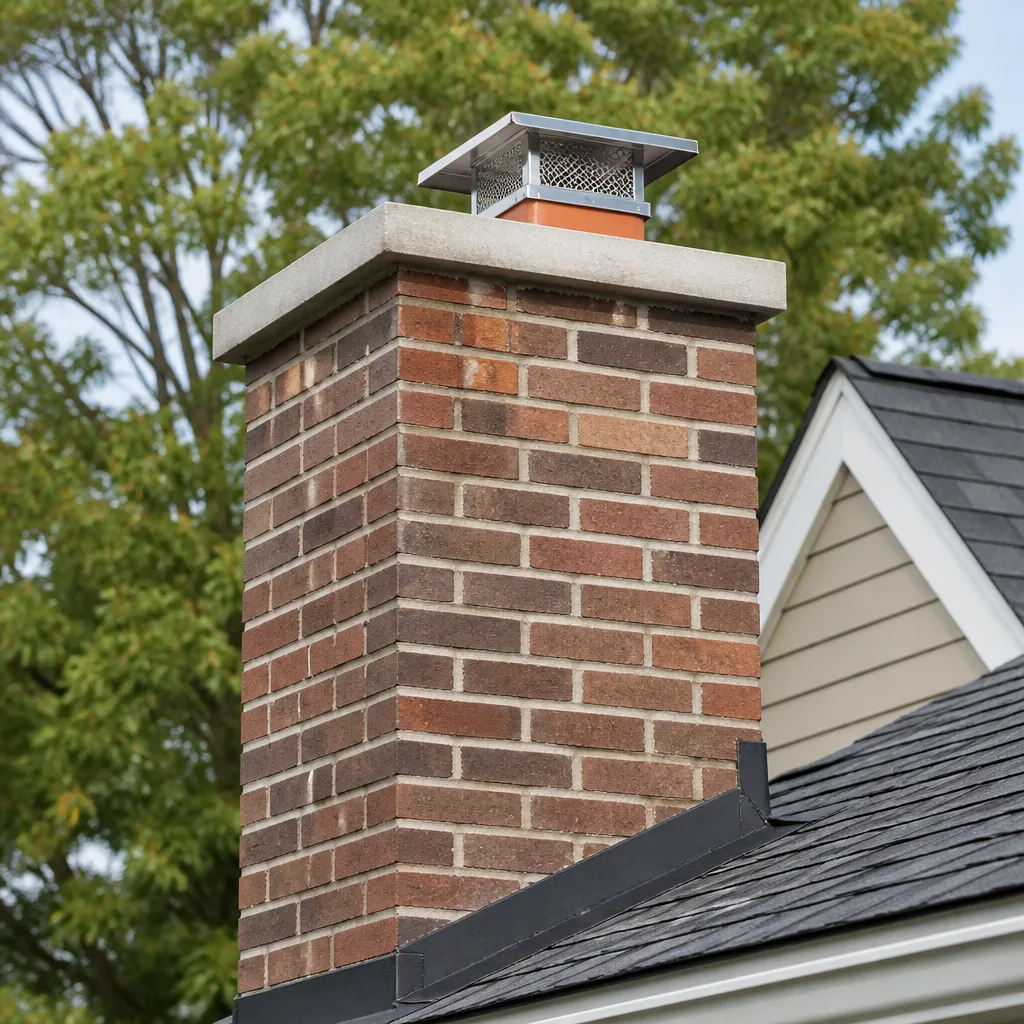 Masonry repair
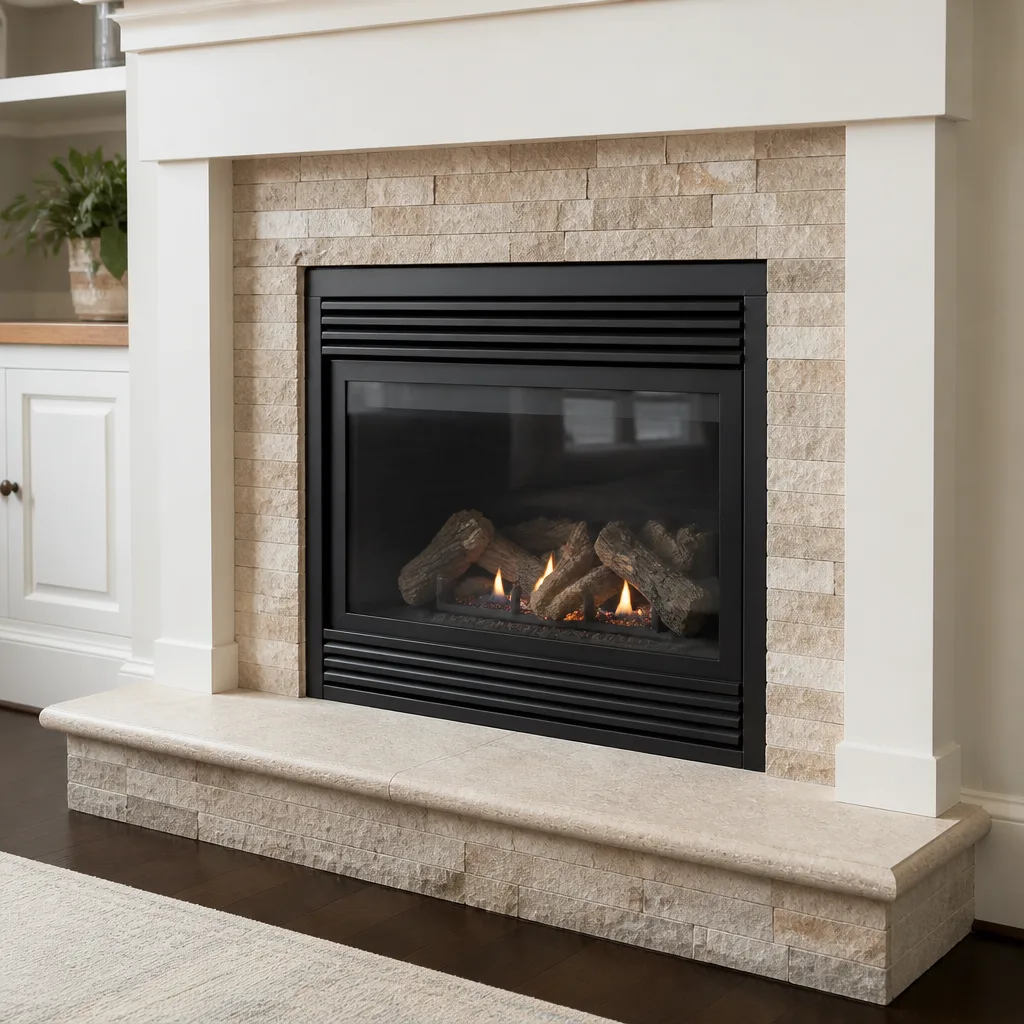 Gas fireplace service
Level 1 sweep and inspection to the NFPA 211 annual standard - flue, crown, cap, and flashing checked and photographed
Chimney sweep logs do not sweep chimneys. They loosen some creosote - which then falls where a brush and vacuum still have to collect it.
Chimney Sweep Maintenance Checklist for Jackson Heights Homeowners
A cracked chimney crown looks identical to an intact one from street level. That’s the problem with chimney maintenance: the parts that fail first are the parts you can’t see from the sidewalk, and by the time water damage shows up as a stain on your ceiling, you’re paying for a repair that a simple visual check would have caught. Jackson Heights homes deal with a specific set of pressures. Freeze-thaw winters crack mortar and crowns, humid summers push moisture into brick, and older housing stock means liners and caps that have already been through decades of both. This checklist is built around the actual failure points we find in Jackson Heights chimney systems, from the firebox to the crown, not a generic list copied from a national pamphlet. You’ll learn what to check yourself, what needs a trained eye, and when it’s time to call.
Quick Answer
A working chimney maintenance checklist for Jackson Heights covers five things every year: a visual check of the crown and cap from the ground, an interior damper test, a check for mortar spalling in the first three courses below the cap, a professional Level 1 inspection with a sweep for wood-burning systems, and a dated photo log so you can spot slow deterioration year over year. Wood-burning chimneys need a sweep after the heating season; gas inserts need the liner inspected before you start using them. Anything involving the crown, liner, or masonry above the roofline requires a trained technician.
Styles & brands we work with
- Sweep & inspection
- Caps & crowns
- Flue relining
- Masonry repair
- Gas fireplace service
Table of Contents
- Why Jackson Heights Chimneys Age Faster Than You Think
- The Exterior Check Sequence: Crown, Cap, Mortar
- Interior Checks Homeowners Can Do Safely
- The Damper Function Test: Pass/Fail Criteria
- Annual vs. Biannual Service: What Your Fuel Type Dictates
- The Photo Log Habit That Catches Slow Deterioration
- What a Level 1 and Level 2 Inspection Actually Cover
- Common Mistakes to Avoid
- When to Call a Professional
- Frequently Asked Questions
Why Jackson Heights Chimneys Age Faster Than You Think
Jackson Heights sits in a climate that punishes masonry in a very specific way. The freeze-thaw cycle is the culprit. Water gets into a hairline crack in the mortar or the crown, freezes overnight, expands, and widens that crack just enough that the next thaw lets in a little more water. Repeat that a few hundred times across a winter and a hairline becomes a real opening. The humid summers do the other half of the damage by keeping brick and mortar damp long enough for efflorescence and spalling to set in.
Older homes here make it worse. The brick chimneys on many Jackson Heights buildings were built with materials and methods that were standard at the time but weren’t designed for the moisture cycling we get now. Add a cap that’s been missing or damaged for years, and water has a direct path into the flue.
The rear extensions and rooflines common on the garden-apartment blocks and the low-rise apartment buildings around the historic district present their own challenges. Chimneys on those structures are often tucked against a parapet or set back from the street, which means the crown and cap aren’t visible from ground level at all. The first sign of a problem is usually interior. Water staining on a ceiling, a musty smell in a room with a fireplace, or a damper that suddenly sticks. By the time any of those appear, the exterior damage has been progressing for at least one full season.
The lesson for Jackson Heights homeowners is straightforward: what you can’t see from the ground still needs checking. That’s why the checklist below starts with the exterior sequence at the roofline, not with the fireplace.
The Exterior Check Sequence: Crown, Cap, Mortar
The exterior check follows a specific order for a reason: each component protects the one below it. If the crown is failing, water gets into the masonry. If the cap is missing, water and animals get into the flue. If the mortar joints are spalling, the whole structure is losing integrity. Check in this order: crown first, cap second, mortar joints third. The first three courses of brick below the cap are the highest-failure zone in a freeze-thaw climate because they take the most direct weather and have the least protection above them.
Crown Condition
The crown is the concrete or mortar cap at the very top of the chimney that sheds water away from the masonry. Look for cracks wider than a hairline, sections that have pulled away from the flue tile, or a crown that slopes toward the flue instead of away from it. A crown that’s cracked or separated is the single most common cause of water intrusion into a chimney. Heavy, professional-grade crown repair or replacement with a proper overhang and slope is what keeps the masonry below dry.
Cap Screen Integrity
The cap sits on top of the crown and keeps rain, birds, squirrels, and debris out of the flue. Check that the screen or mesh is intact, that the cap isn’t rusted through, and that it’s actually attached and level. A missing or damaged cap is one of the most common sources of water intrusion and structural deterioration we see, and it’s also the easiest thing to fix before it becomes a rebuild. If your cap is missing, damaged, or the wrong size for the flue, that’s worth addressing before next winter.
Mortar Joint Spalling on the First Three Courses
Spalling is when the face of the brick or the mortar joint flakes away. On the first three courses below the cap, look for recessed mortar joints, crumbling mortar, or brick faces that have popped off. This zone takes the brunt of the freeze-thaw cycle and is where repointing work usually starts. Repointing done with the right mortar mix and technique stops the deterioration; repointing done badly or with the wrong mix accelerates it.
You can do the visual check from a safe vantage point, using binoculars from the ground or a window if the chimney is visible. Do not climb onto the roof. The exterior check is about identifying what needs attention, not fixing it. Anything above the roofline that needs more than a visual assessment should be handled by a technician who works with proper fall protection and the right materials, which is why we carry products from brands like Copperfield and Olympia Chimney for crown and cap work.
Interior Checks Homeowners Can Do Safely
The interior checks split into two categories: what you can safely do yourself in a few minutes, and what requires a trained technician with camera equipment. Knowing the difference keeps you safe and keeps you from missing something important.
What You Can Check Yourself
- Creosote buildup at the firebox and smoke chamber. Shine a flashlight up into the firebox and the smoke chamber above the damper. A thin, flaky dusting is normal. A thick, glossy, or tar-like coating is a sign the chimney needs professional cleaning before you burn again. Glossy creosote is the kind that burns hottest if it ignites.
- The damper. See the damper function test section below for the full pass/fail criteria.
- The firebox interior. Look for cracked firebrick or missing mortar joints between the firebricks. Small hairline cracks in the firebrick itself are often normal; gaps in the mortar between them are not.
- Exterior signs inside the room with the fireplace. Water stains on the ceiling or the wall near the chimney, rust on the firebox or damper, or a persistent musty smell. All of these point to water entering somewhere above.
- The smoke test. Light a small piece of paper or a smoke pencil and hold it near the open damper. If smoke drifts into the room instead of up the flue, you have a draft problem that needs professional diagnosis.
What Requires a Level 1 or Level 2 Inspection
Anything above the smoke chamber, anything inside the flue, and the condition of the liner itself. That’s the boundary. You can’t see the liner from the firebox, and you can’t tell whether a flue tile is cracked from the outside. A Level 1 inspection covers the readily accessible parts of the chimney and is the annual check. A Level 2 inspection uses camera equipment to examine the flue interior and is required when you’ve had a chimney fire, when you’re buying or selling a home, or when a change has been made to the system (a new appliance, a relined flue, a fuel change). If your Jackson Heights home is older and you don’t have a record of the last inspection, a Level 2 is the right starting point.
The liner is the part most easily missed on a do-it-yourself check. A cracked flue tile or a degraded liner lets heat and carbon monoxide into the structure of the chimney and the house. That’s why liner inspection belongs with a camera and a technician, not with a flashlight and a good guess.
The Damper Function Test: Pass/Fail Criteria
Most homeowners stop at “does it open.” That’s not enough. A damper that opens but doesn’t seal costs you heat all winter and lets cold air into the room when the fireplace is cold. The full test has three parts, and a damper that fails any one of them is a candidate for repair or replacement.
- Range of motion. Open and close the damper fully. It should move smoothly from fully closed to fully open without binding, scraping, or needing excessive force. A damper that sticks or requires a hard shove has a problem with the frame, the pivot, or the linkage.
- Seating seal. Close the damper and look up from the firebox with a flashlight. You should not see daylight or a visible gap between the damper plate and its seat. A visible gap means the damper isn’t sealing, which wastes heat and lets in cold air.
- Handle resistance. The handle should operate the damper with consistent, moderate resistance across the full range. A handle that spins freely, comes off in your hand, or binds partway through means something in the linkage is broken or worn.
Pass: smooth full range of motion, no visible gap when closed, consistent handle resistance. Fail: sticking, binding, visible gap when closed, or a loose or broken handle. A failed damper isn’t automatically an emergency, but it does need to be fixed before you use the fireplace again, because a damper that doesn’t seal properly changes how the fireplace drafts and can contribute to smoke in the room. Replacing a damper is a contained repair; living with a broken one usually isn’t.
Annual vs. Biannual Service: What Your Fuel Type Dictates
The service interval is set by what you burn, not by a universal rule. Wood-burning systems need a sweep after the heating season. Gas inserts need the liner inspected before you start using them. Getting the timing wrong is how creosote builds up or a gas liner problem goes unnoticed until it’s a larger repair.
Wood-Burning Systems: Sweep After the Season
Wood smoke deposits creosote on the flue walls as it cools. The amount depends on how dry your wood is, how hot you burn, and how often you use the fireplace. Sweeping after the heating season, once the last fire has burned out, does two things. It removes the creosote before it has a whole humid summer to sit and bond to the flue, and it lets you inspect the liner and the smoke chamber while the system is quiet. A chimney that’s swept annually and burned with well-seasoned wood can often go two years between sweeps. A chimney that sees heavy use, burns green wood, or shows thick creosote at the firebox needs annual sweeping, sometimes more.
How often should a chimney be swept? The general rule is once a year for a wood-burning chimney, or whenever the creosote layer reaches about 1/8 inch. If you can see a thick, glossy or tar-like buildup when you look up the flue from the firebox, that’s your signal.
Gas Inserts: Liner Inspection Before the Season
Gas inserts don’t produce creosote, so they don’t need sweeping the way a wood-burning fireplace does. What they do need is a pre-season liner inspection. The liner carries combustion gases out of the house, and a damaged or disconnected liner is a carbon monoxide risk. Once a year, before the season starts, the liner and the venting components should be checked. This is where brand familiarity matters. We work with venting components from Famco and Gelco, and we install and work with DuraFlex flexible liner systems, which are an industry standard for relining aging or damaged flues. A liner inspection that turns up a problem is fixable; a liner problem that goes uninspected for a season or two isn’t always as clean to repair.
When to Go Biannual
Move from annual to biannual (twice a year, typically one sweep after the season and one inspection before the next) if any of these apply. You burn wood more than a few times a week during the heating season. Your wood isn’t well-seasoned. Your chimney is older and the liner condition is uncertain. You’ve had a chimney fire, even a small one. You’ve changed fuel type or added an appliance. You live in a home with a chimney that’s had previous repair work and you want to monitor it closely. Most Jackson Heights homeowners with a regularly used fireplace fall into the annual category; the older housing stock pushes a meaningful number into biannual.
The Photo Log Habit That Catches Slow Deterioration
The most useful thing you can do for your chimney costs nothing and takes about five minutes a year: keep a dated photo log of the crown and cap condition. The reason is simple. Chimney deterioration is slow. A crack that’s a half-inch this year might be two inches in three years, but you won’t notice the change because you look at it every year. A dated photo makes the change obvious.
Here’s how to build the log:
- Take the photos at the same time each year. After the last fire of the season is a natural checkpoint for wood-burning systems; before the first fire of the season works for gas.
- Shoot from a safe vantage point. The ground with a zoom lens, or a window that gives a clear view of the crown and cap. Never climb onto the roof for the photo.
- Capture three angles. One straight-on of the crown, one of the cap and cap screen, and one of the top three courses of brick and mortar below the cap.
- Label the file with the date so you can pull up last year’s photo next to this year’s.
- Note any changes in writing. A sentence or two is enough: “Crown crack on the north side looks wider than last year” or “cap screen intact, no change.”
What you’re looking for in the comparison is direction of change, not perfection. A crown that looked tight last year and shows a visible crack this year is telling you something. A cap that was intact and now has a hole in the screen is telling you something. A mortar joint that’s gone from flush to recessed is telling you something. When you do call a technician for a professional inspection, the photo log lets them see the trend, not just a snapshot. That’s useful information for deciding whether a repair can wait or should be scheduled before the next winter.
For a system that’s going to be with your home for decades, five minutes and a dated photo file is about the best return on effort you’ll get.
What a Level 1 and Level 2 Inspection Actually Cover
An inspection isn’t one thing. The NFPA 211 standard defines inspection levels, and knowing what each covers helps you decide what to book and what to expect from the report. Both levels are worth having on your calendar; the question is which one fits your situation.
Level 1 Inspection
A Level 1 inspection covers the readily accessible portions of the chimney and venting system, including the firebox, damper, smoke chamber, and the visible portions of the flue and exterior. It’s the annual check, done without special tools or camera equipment, and it’s appropriate when the system hasn’t changed and there’s no known problem. This is the inspection that goes with your annual sweep.
Level 2 Inspection
A Level 2 inspection adds camera equipment to examine the flue interior and the accessible portions of the liner, and it covers attics, crawl spaces, and any accessible areas that might show signs of a problem. It’s required when a home is being sold, after a chimney fire, after an earthquake or other event that could have damaged the chimney, or when a change has been made to the system (a new appliance, a fuel change, a relined flue). For an older Jackson Heights home with no inspection record, a Level 2 is the right starting point.
What the Report Should Include
A real inspection produces a written report with findings, photos, and a clear recommendation for each finding: what needs attention now, what can wait, and what should be monitored. The distinction matters. A cap that’s lost its screen needs attention before the next rain. A crown with a hairline crack that isn’t widening can be monitored with the photo log for another year. A liner that’s failed needs to be scheduled before the next fire. Anything that compromises safety (a blocked flue, a failed liner, a cracked smoke chamber) goes in the “now” column.
We offer inspection as a standalone service, consistent with NFPA 211 inspection-level standards, and we encourage homeowners to ask for the written report and photos with any inspection. The report is what lets you make the call about timing rather than guessing.
Common Mistakes to Avoid
- Calling a general handyman for chimney work. A chimney is a system with specific materials, specific clearances, and specific failure modes. A generalist can sweep a flue, but when the crown is cracked or the liner is failing, the repair needs materials and methods that are specific to the trade. A dedicated chimney specialist, not a generalist add-on, is the right call when anything above a basic sweep is on the table.
- Skipping the cap because “it looks fine from the street.” The cap is often the first thing to fail and the easiest thing to miss. A cap that’s missing its screen or has rusted through lets in water and animals, and it’s the most common source of water intrusion we see on Jackson Heights chimneys. Check it every year, from the ground or a window, and repair or replace it before the next winter.
- Waiting for a water stain before checking the crown. A crown problem shows up inside long after it starts outside. By the time you see the stain, the masonry below has been wet for at least a season. The annual crown check is what catches it before the interior evidence.
- Using the wrong mortar on repointing. Modern hard mortars are stronger than the older brick and mortar in many Jackson Heights homes, and that mismatch causes the brick to crack and spall around the repair instead of the mortar. Repointing needs a mortar mix matched to the brick, not the strongest mix on the shelf.
- Burning green or unseasoned wood. Wet wood produces more creosote and less heat. That means a faster buildup in the flue and more frequent sweeping. If your wood hisses or sizzles when it burns, it’s not seasoned enough.
- Ignoring a damper that doesn’t seal. A damper with a visible gap or a broken handle is letting heat out and cold air in all season. It’s a small repair that turns into a bigger one if the linkage corrodes while it’s stuck.
- Treating the chimney as one job per decade. The chimney is a system, and the checklist is annual. A single sweep every few years leaves the crown, cap, and mortar unchecked for years at a time, which is exactly when the slow deterioration goes unnoticed until it’s a rebuild.
When to Call a Professional
Some things are safe to check yourself. Some things need a trained technician with the right tools and the right materials. Call a professional when you see a crown crack that’s widening, a cap that’s missing or damaged, mortar spalling below the cap, thick or glossy creosote at the firebox, a damper that fails any part of the three-part test, water staining on the ceiling or wall near the chimney, or a firebox with eroded firebrick or missing joints. Call immediately if you’ve had a chimney fire, if you smell gas near a gas fireplace, or if the smoke test shows smoke backing into the room. If you’ve never had an inspection on your Jackson Heights home, that’s reason enough to book one.
Our technicians have up to 10 years of experience working on chimney systems across Jackson Heights, and we handle the whole system: sweeping, inspection, chimney cap & crown work, chimney repair, liner systems, masonry, and fireplace repair. You don’t need to coordinate between trades. Chimney Sweep Jackson Heights offers free estimates in Jackson Heights. Call (866) 937-7175. We answer 24/7. Fast dispatch from 7am to 7pm, Sunday through Friday.
Frequently Asked Questions
Once a year for a wood-burning chimney, or whenever the creosote layer reaches about 1/8 inch. Jackson Heights’ freeze-thaw winters and humid summers make annual sweeping and inspection the right baseline for most homes. If you burn wood heavily or use unseasoned wood, move to a sweep after the season and an inspection before the next one. Gas inserts need an annual liner inspection rather than a sweep. Call (866) 937-7175 for a free estimate.
A complete checklist covers the crown, cap and cap screen, mortar joints in the first three courses below the cap, the firebox and smoke chamber, the damper (full three-part test), the liner, and the exterior signs inside the room near the chimney. It also includes a dated photo log of the crown and cap, and a professional inspection (Level 1 annually, Level 2 when the situation calls for camera equipment). The order matters: exterior first, then interior, then the professional inspection with camera equipment.
A liner replacement is a real repair, not a sales tactic, but it should never be recommended without evidence you can see. Ask for the camera footage or photos from the inspection. A liner with a crack, a separation, or a failed connection to the appliance is a safety issue and needs to be replaced; a liner with minor surface wear that’s still intact and well-seated can be monitored. HeatShield liner restoration, a proprietary ceramic repair system we’re certified to use, can extend the life of some liners without a full reline replacement, but it isn’t right for every liner. The evidence from the inspection is what decides which path applies.
In the short term, usually nothing dramatic. In the medium term, the crown cracks a little wider, the cap screen tears and lets in a bird’s nest or a squirrel, the mortar joints below the cap recede, and the liner’s condition goes unknown. That’s the path from a simple repair to a larger rebuild. The annual check is what catches each of those while it’s still small. The specific risks are chimney fire from creosote buildup on wood-burning systems, carbon monoxide from a damaged liner on gas appliances, and water damage from a failed crown or cap. None of those are reasons to panic; all of them are reasons to keep the checklist current.
You can safely do a visual check from the ground or a window: crown, cap, cap screen, and mortar on the first few courses below the cap. You can check the damper, look up into the smoke chamber with a flashlight, and watch for interior signs of water. You cannot safely inspect the flue interior or the liner condition without camera equipment and training, and you should never climb onto the roof to check the crown. A Level 1 or Level 2 inspection through a chimney professional covers the parts you can’t see.
Sweeping removes creosote and debris from the flue; repair addresses damaged components like the crown, cap, liner, masonry, or damper. They’re related but distinct services, and both belong on the maintenance checklist. A sweep is the routine annual service. A repair is what the inspection findings call for. Chimney Sweep Jackson Heights handles both, along with fireplace repair, from the firebox to the crown. Call (866) 937-7175 for a free estimate and we’ll tell you which applies.
The Bottom Line
The parts of your chimney that fail first are the parts you can’t see from the sidewalk: the crown, the cap, the mortar joints below the cap, and the liner. Jackson Heights’ freeze-thaw winters and humid summers put those components under a specific kind of pressure that a generic annual check doesn’t address. Build the checklist around them: exterior check first, damper test second, photo log every year, and a professional inspection on a regular schedule. Wood-burning systems get a sweep after the season; gas inserts get a pre-season liner inspection. Catch it before it costs you. A cracked crown that’s repaired while it’s small is a contained job; the same crown left two more winters is a rebuild.
If you’re due for a sweep, an inspection, a crown or cap repair, or you just want a straight answer on what your chimney actually needs, call (866) 937-7175 for a free estimate. We answer 24/7. Fast dispatch from 7am to 7pm, Sunday through Friday. If you’d like to read more about our chimney sweep service or the full range of work we do, start here at Chimney Sweep Jackson Heights. We work on the whole system, from the firebox to the crown.
Written by the team at Chimney Sweep Jackson Heights.
See the difference
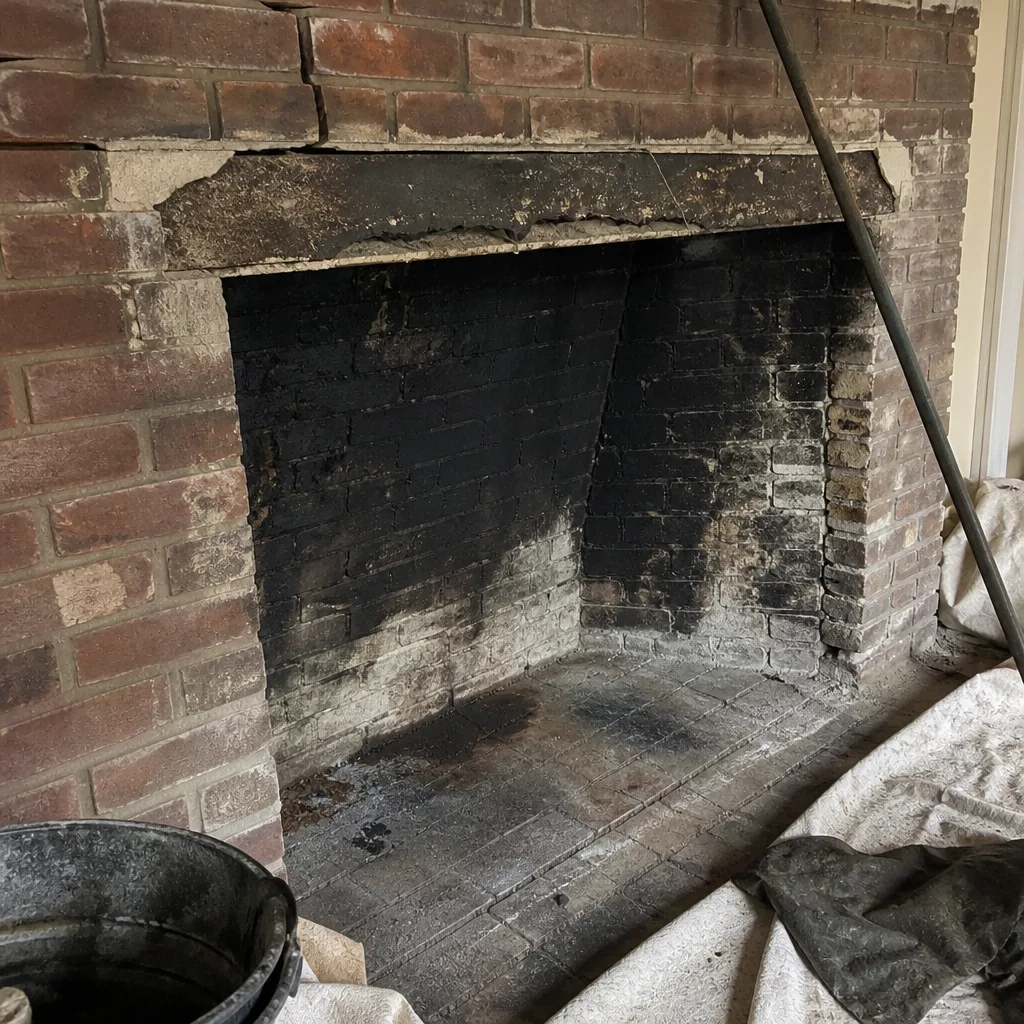 Before
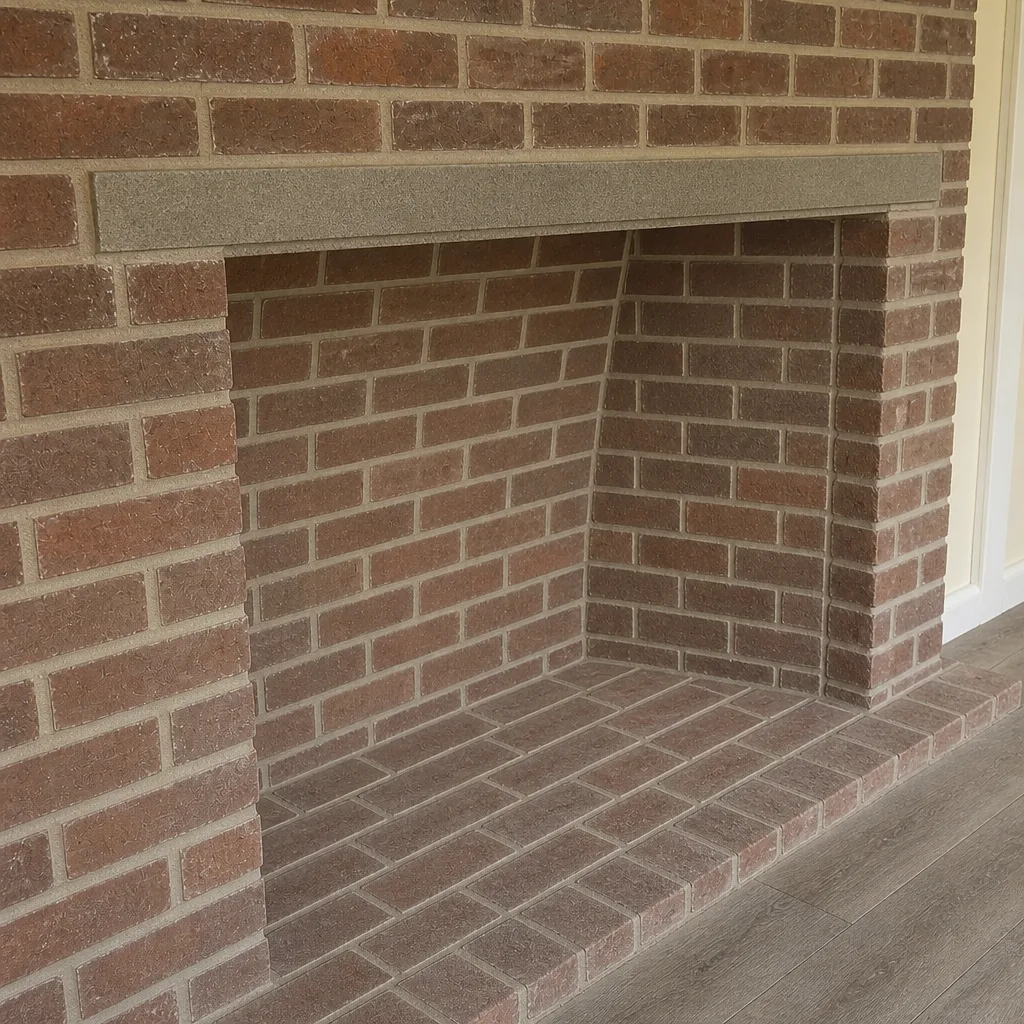 After
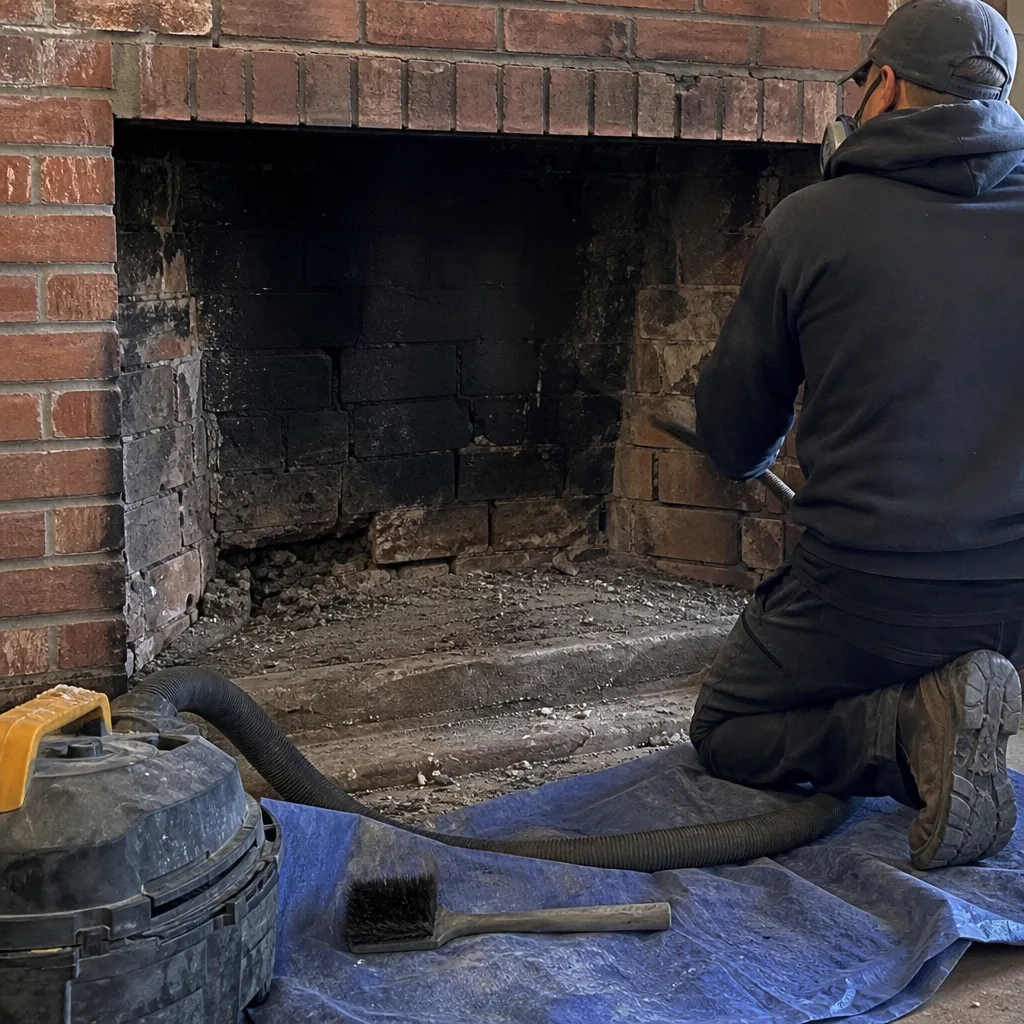 Before
 After
 Before
 After